

Future-Proofing Your Video Equipment Purchase: The 2026 Professional Investment Guide
Buying the camera with the highest resolution is often the fastest way to drain your capital without securing a long-term return. You've likely felt the pressure of shifting standards, from the jump to 8K to the sudden dominance of IP-based workflows like SMPTE 2110 and NDI. It's frustrating to invest hundreds of thousands of dirhams in studio infrastructure only to worry about technical obsolescence before your next major project wraps. This is why future-proofing your video equipment purchase requires looking beyond the spec sheet and focusing on modularity and open connectivity standards.
We understand that a five-year ROI is the baseline for any serious production house or broadcaster in the UAE. You'll learn how to navigate the 2026 media landscape to ensure your high-end hardware remains relevant, compatible, and profitable for years to come. This guide examines the transition to royalty-free codecs like AV1, the emergence of VVC, and how to select lens systems that bridge the gap between proprietary mounts. We provide the technical roadmap you need to make investments that hold their resale value in a rapidly evolving regional market.
Key Takeaways
- Shift your investment strategy from chasing resolution specs to prioritizing modular hardware and open connectivity standards like SMPTE 2110 and NDI.
- Prioritize lens ecosystems with high adaptation potential, such as PL or L-Mount, to ensure your glass remains compatible as camera bodies evolve.
- Understand how future-proofing your video equipment purchase through software-definable infrastructure can bridge the gap between legacy SDI and modern IP workflows.
- Maximize your 5-year ROI by selecting equipment supported by authorized local service centers to maintain high resale and trade-in value in the UAE market.
- Implement a tiered investment strategy that allocates more capital to durable assets like lighting and cinema lenses while remaining agile with rapidly changing camera sensors.
What is Future-Proofing in Professional Video Production?
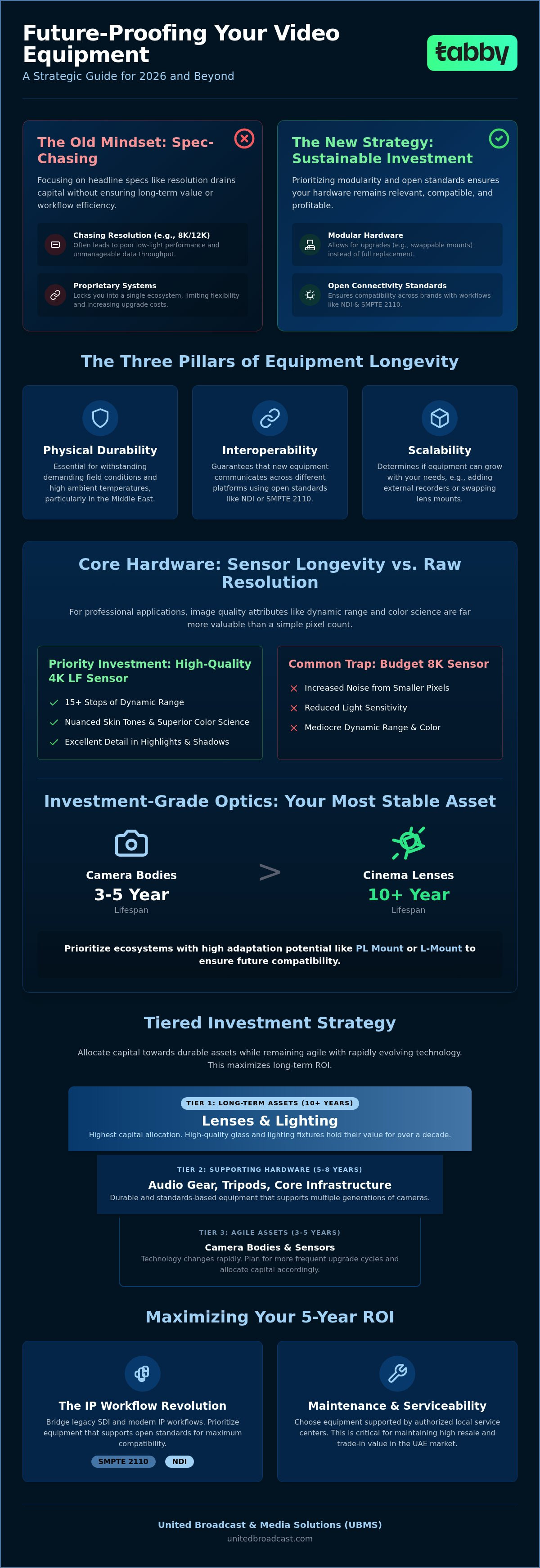
In the professional media sector, future-proofing is often misunderstood as simply buying the most expensive gear available. True future-proofing is the strategic selection of hardware that supports evolving industry standards and modular upgrades. It requires a shift in mindset from "spec-chasing," where you pursue maximum resolution or frame rates, to sustainable infrastructure investment. While a 12K sensor might look impressive on a marketing brochure, its utility is limited if the internal processing or connectivity cannot handle the massive data throughput required for a 2026 workflow.
Strategic future-proofing your video equipment purchase involves looking at the underlying architecture of the device. We are seeing a transition toward software-defined hardware, where the capabilities of a camera or switcher are expanded via firmware rather than physical replacement. This approach protects your capital investment in the UAE market, where the cost of upgrading entire studio infrastructures can reach millions of dirhams. By choosing equipment with high-bandwidth interfaces and robust processing overhead, you ensure that your gear remains a profitable asset rather than a depreciating liability.
The Three Pillars of Equipment Longevity
To evaluate a potential purchase, you must look at three specific areas: physical durability, interoperability, and scalability. Physical durability is essential in the Middle East, where equipment must withstand high ambient temperatures and demanding field conditions. Interoperability ensures that your new professional lighting equipment or cameras can communicate across different platforms using open standards like NDI or SMPTE 2110. Finally, scalability determines if the equipment can grow. Can you add an external recorder to bypass internal codec limitations? Can the lens mount be swapped to accommodate a different ecosystem? If the answer is no, the equipment has a built-in expiration date.
Avoiding the 'Sales Bait' Trap
Manufacturers often use "headline specs" to attract buyers, but these features rarely dictate long-term professional utility. High resolution is frequently used as sales bait, even when the sensor's dynamic range or color science is mediocre. You should prioritize features that impact the actual quality of the image and the efficiency of the post-production pipeline, such as 10-bit internal recording and robust metadata support. Firmware updates play a critical role here; brands like Sony and ARRI frequently release roadmaps that unlock significant features years after a product's launch. Future-proofing is the strategic balance of maximizing current production utility while ensuring predicted compatibility with emerging industry standards. By focusing on these technical foundations, you can secure a reliable 5-year ROI on every piece of hardware you acquire.
Core Hardware Checklist for Long-Term Value
While resolution often dominates marketing materials, it's rarely the deciding factor in how long a camera remains a viable asset. When future-proofing your video equipment purchase, you must prioritize the technical foundations that impact image quality and workflow flexibility. A camera body might be replaced in three years, but the supporting ecosystem of power, lenses, and recording standards should last five to ten years. Focusing on these core hardware components ensures your inventory doesn't become a collection of obsolete tools.
Sensor Longevity vs. Resolution
In 2026, Large Format (LF) sensors have become the professional baseline. A high-quality 4K LF sensor with 15 stops of dynamic range will consistently outlast a budget-tier 8K sensor that lacks color depth. Higher resolution often introduces smaller pixels, which can lead to increased noise and reduced sensitivity. For most broadcast and cinema applications, the ability to capture nuanced skin tones and maintain detail in highlights is more valuable than raw pixel count. This is why many professional video cameras used in high-end UAE productions still prioritize sensor size and dynamic range over the 8K trend.
Investment-Grade Optics
Lenses are the most stable investment in any production kit. Unlike digital sensors, high-quality glass does not become technically "obsolete" every few years. Investing in "timeless" optics from brands like ZEISS or Cooke offers a significantly higher resale value and longer service life. To maximize flexibility, choose ecosystems with high adaptation potential. The PL mount remains the cinema standard, while the L-Mount and Sony E-mount provide extensive cross-brand compatibility. You can explore a wide range of versatile Sony Alpha camera and lenses that demonstrate how a single mount can support everything from compact mirrorless setups to full-scale cinema rigs.
Internal recording capabilities have also shifted. 12-bit recording and RAW formats are now standard requirements for high-end deliverables. If a camera is limited to 8-bit or 4:2:0 color sampling, it will struggle to meet the quality bars set by modern streaming and broadcast platforms. Similarly, your power systems must evolve. The industry is rapidly transitioning to B-Mount and high-voltage solutions to meet the power demands of modern cinema cameras and high-output lighting. Moving away from legacy V-Mount systems for your primary rigs ensures compatibility with the next generation of high-draw hardware.
If you're balancing the needs of a current project with long-term ROI, consult with our specialists to build a hardware checklist tailored to your specific workflow.
Connectivity and Workflow Standards: The IP Revolution
The traditional copper-wire infrastructure of the past is rapidly giving way to flexible, network-based protocols. For any media professional in the UAE, future-proofing your video equipment purchase now requires looking beyond the physical SDI port. High-end productions have transitioned to IP-based workflows, specifically utilizing NDI and SMPTE ST 2110 standards. These protocols allow for bidirectional data flow over standard ethernet cables, which significantly reduces the cost and complexity of studio wiring while offering virtually unlimited routing flexibility.
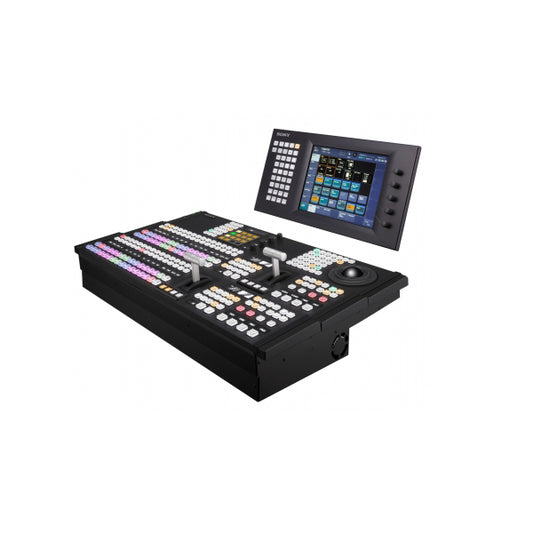
Software-definable hardware represents the next major shift in equipment longevity. Instead of purchasing a fixed-function video switcher that becomes obsolete when a new codec emerges, professionals are investing in FPGA-based systems. These devices can be reprogrammed via software to handle emerging resolutions or new transport protocols. In 2026, your hardware must also support high-speed data ports like Thunderbolt 5 and USB4 to manage the massive throughput required for 12-bit RAW footage. Support for cloud-based production and remote collaboration tools is no longer optional; it's a baseline requirement for modern REMI (Remote Integration Model) workflows.
The integration of 5G connectivity into field gear further enhances this shift. It enables low-latency streaming and immediate proxy uploads directly from the camera to a centralized server, streamlining data flow across national operations. This connectivity reduces the gap between capture and post-production, ensuring your workflow remains competitive in an industry that increasingly values speed and remote accessibility.
System Integration: Bridging the Gap
Buying isolated pieces of high-end gear often creates "technical islands" that cannot communicate effectively with the rest of your facility. Professional system integration is the process of ensuring your cameras, switchers, and storage work as a cohesive ecosystem. This is vital in modern broadcast environments where consistent metadata handling determines the efficiency of your entire delivery pipeline. If you're building a new facility, reviewing our Advanced Broadcast Studio Gear Guide can help you identify the specific components needed for a unified IP infrastructure.
Audio and Metadata Synchronization
Audio infrastructure is a critical, yet often overlooked, part of video future-proofing. Standardizing on IP-based audio protocols like Dante or AES67 ensures that your sound remains perfectly synced across the entire network without the need for complex analog patches. For multi-camera setups, maintaining strict Timecode and Genlock synchronization is non-negotiable to prevent frame drift during long recordings. Metadata-rich workflows significantly accelerate AI-assisted post-production by providing automated logging and tagging during the ingest phase. This level of technical synchronization ensures that your equipment remains a viable part of high-end professional workflows for years to come.
The Hidden Factor: Maintenance and Serviceability
Professional hardware is a significant capital investment. While technical specs determine initial utility, repairability is the ultimate form of future-proofing. Unlike consumer-grade video equipment, which often suffers from planned obsolescence and a total lack of spare parts, high-end cinema and broadcast gear is designed for a decade of service. When you're future-proofing your video equipment purchase, you must evaluate how easily a device can be serviced. A camera that can't be repaired locally in the UAE becomes a liability the moment the warranty expires.
Regular maintenance, such as professional sensor cleaning and optical calibration, significantly extends the operational life of cinema sensors. Dust and debris are more than just a nuisance. They can cause permanent damage if left unaddressed in harsh environments. Genuine spare parts and authorized technical support ensure that your equipment continues to perform to its original factory specifications. This technical reliability is what maintains the high resale value of professional assets in the secondary market, allowing for a better trade-in when you eventually decide to upgrade.
Choosing Serviceable Brands
Not all manufacturers prioritize long-term parts availability. Brands like Sony and ARRI are known for supporting their professional lineups for many years after a product is discontinued. Choosing these manufacturers ensures you won't be forced into an expensive upgrade simply because a small internal component is no longer in production. Working with an authorized local service center provides immediate access to specialized tools and factory-trained technicians. For those focusing on optical assets, our Cinema Lens Repair and Maintenance Guide details the specific steps needed to preserve your glass.
Environmental Protection for Gear
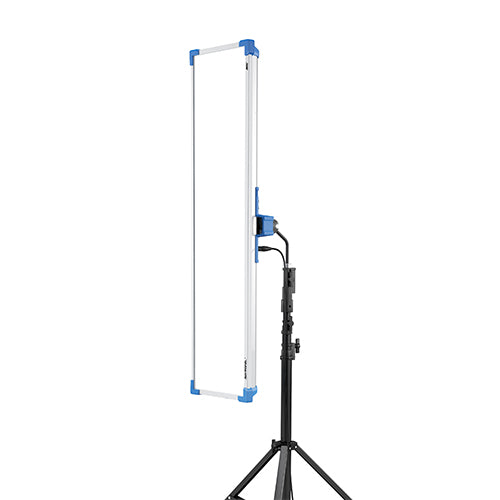
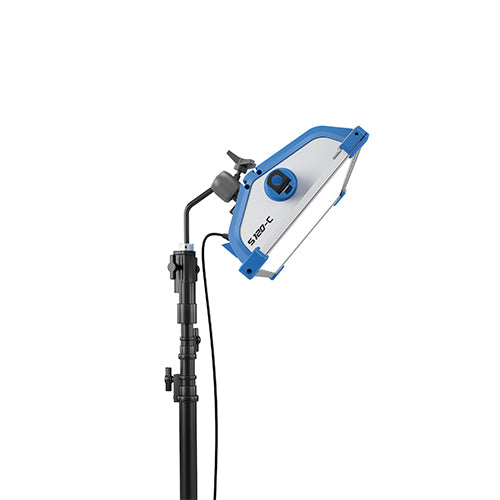
The UAE's climate presents unique challenges for electronic longevity. High ambient temperatures, humidity, and fine desert dust can lead to premature electronic failure if equipment isn't properly protected. Weather-sealed camera bodies and lighting fixtures are essential for field use. For example, ARRI Lighting Solutions are engineered to withstand rigorous environmental conditions, making them a more sustainable choice for regional production houses. Investing in gear with robust thermal management systems prevents the internal overheating that often plagues less durable hardware during outdoor shoots.
Strategic Purchasing: How to Buy for 2026 and Beyond
Successful procurement in the UAE media sector is a business decision that demands a long-term technical roadmap. Future-proofing your video equipment purchase isn't achieved by simply buying the latest flagship model. It involves a "Tiered Investment" strategy. You should allocate a larger portion of your capital to assets with low depreciation, such as cinema lenses, tripods, and professional lighting. While camera sensors and processing units may require replacement every three to four years, high-quality optics and mechanical support systems can remain profitable for over a decade. This approach ensures your studio infrastructure stays modern without requiring a total overhaul of your capital assets.
Before committing to a new camera system or lens mount, you must evaluate the manufacturer's long-term roadmap. In 2026, brands like Sony and ARRI have established clear firmware paths that extend the utility of their hardware through software-definable updates. Consulting with a system integrator allows you to see beyond the current sales cycle. They help you identify which platforms will receive the most support for emerging codecs and IP-based transport protocols. This consultative buying process bridges the gap between your current legacy gear and the high-speed requirements of modern 12-bit RAW workflows.
Bundling for Compatibility
Purchasing individual components from various vendors often leads to unforeseen technical friction. Buying verified production kits, such as the ARRI Omnibar Production Kit, ensures that every accessory and mounting point is perfectly synchronized. This one-stop-shop procurement model provides consistency in technical support and simplifies the repair process through a single authorized service center. It eliminates the "island" equipment problem, ensuring that your entire rig works as a cohesive unit from day one.
Final Consultation: Your Next Steps
A pre-purchase technical audit is the most effective way to avoid costly integration errors. Our team supports long-term equipment lifecycles by analyzing your existing studio infrastructure and identifying potential bottlenecks in data throughput or power delivery. We provide the technical expertise needed to ensure your next hardware acquisition integrates seamlessly into your current broadcast or cinema workflow. This level of professional oversight transforms a simple transaction into a strategic partnership that protects your ROI for years to come.
Securing Your Production Roadmap
Navigating the shift toward IP-based workflows and software-defined hardware requires a move away from short-term spec chasing. By prioritizing modularity, open standards like SMPTE 2110, and high-quality optical assets, you ensure your inventory remains a profitable toolset rather than a collection of legacy liabilities. A successful strategy for future-proofing your video equipment purchase relies on balancing technical performance with the long-term reliability of authorized local support.
United Broadcast & Media Solutions brings over 25 years of industry history to every project. As an authorized distributor and service centre for the world's leading brands, we provide the technical infrastructure and system integration expertise needed to protect your investment. Whether you're upgrading a single cinema rig or a full broadcast studio in the UAE, our team ensures your technology stays ahead of the 2026 curve.
We're ready to help you build a sustainable, high-performance production environment that grows with your creative vision.
Frequently Asked Questions
Is 8K resolution necessary for future-proofing in 2026?
8K resolution is not a mandatory requirement for most professional productions in 2026. While 8K offers more flexibility for cropping in post-production, 4K remains the industry standard for delivery on major streaming platforms and broadcast networks. You should prioritize 10-bit color depth and high dynamic range over raw pixel count to ensure your content meets modern quality benchmarks for years to come.
Which lens mount is the most future-proof for cinema cameras?
The PL mount is the most stable and future-proof choice for high-end cinematography. It has been the global standard for decades, ensuring your investment in cinema glass remains compatible with future camera generations. For mirrorless systems, the Sony E-mount and L-Mount offer the best adaptation potential for various lens ecosystems, allowing you to use a wide range of vintage and modern optics.
Does firmware really extend the life of a professional camera?
Firmware updates are essential for extending the operational life of professional hardware. Leading manufacturers often release roadmaps that add new codecs, enhanced metadata support, and improved autofocus long after the initial launch. This makes firmware a critical component in future-proofing your video equipment purchase by keeping the hardware current with evolving software standards without requiring a physical replacement.
Why should I prioritize modular equipment for my studio?
Prioritizing modular equipment allows you to upgrade specific parts of your camera or studio rig without a total system replacement. This strategy protects your initial investment by letting you swap out sensors or recording modules as technology advances. It's a cost-effective way to maintain a high-performance inventory while managing your capital expenditure in the UAE market over a five-year period.
How do IP-based workflows impact the longevity of my broadcast gear?
IP-based workflows transition your infrastructure from fixed hardware connections to flexible, software-defined networks. Protocols like NDI and SMPTE 2110 allow your equipment to be routed and updated via software, preventing your broadcast gear from becoming technical islands. This network flexibility ensures your studio can scale and adapt to new transport protocols without the need for expensive new cabling or hardware routers.
What is the expected resale value of professional cinema cameras after 3 years?
Professional cinema cameras usually retain between 50% and 70% of their original value after three years of use. This value is highly dependent on the brand's reputation for longevity and the physical condition of the unit. Providing a documented service history from a recognized UAE technical center is the best way to secure a premium resale price in Dirhams when it's time to upgrade.
How does a local service centre contribute to my equipment's future-proofing?
Access to a local authorized service centre is vital for maintaining the technical integrity and resale value of your gear. Regular calibration and sensor cleaning prevent long-term degradation and ensure the equipment performs to factory standards. This local support is a key pillar in future-proofing your video equipment purchase, as it guarantees immediate access to genuine parts and expert repairs in the region.
Should I invest in LED lighting over traditional tungsten for future-proofing?
LED lighting is the superior choice for future-proof studio builds due to its high efficiency and color versatility. Unlike traditional tungsten, LEDs offer full RGB control and generate significantly less heat, which reduces the cooling load on your studio's HVAC system. Their long operational lifespan and integration with digital control protocols make them a much smarter long-term investment for modern production environments.


