

The Professional Buying Guide to Soft Lights for Cinematography (2026)
The most expensive fixture on your set is the one that forces your colorist to fix inconsistent skin tones in post-production. In 2026, the technical quality of a professional production is defined by color science and modifier ecosystems rather than raw lumen output. If you've struggled with poor dimming curves at low intensities or heavy fixtures that are difficult to rig in mobile environments, you know that choosing the right soft lights is a critical decision for any director of photography. Achieving a wrap-around light that truly flatters talent requires a fixture that maintains a TLCI of 95 or higher across its entire color temperature range.
We recognize the frustration of managing mismatched LEDs that disrupt your workflow. This guide will help you master the technical nuances of soft lighting and identify the ideal fixtures for your next professional production. We'll examine how to build a versatile lighting kit that integrates with existing DMX workflows and utilizes advanced connectivity like CRMX. From IP65 weather resistance to the latest RGBACL technologies, this overview provides the technical insight needed to ensure long-term color consistency on every set.
Key Takeaways
- Learn how the relationship between source size and distance dictates the quality of wrap-around light on your subjects.
- Discover why evaluating soft lights based on SSI and TLCI ratings is essential for ensuring color consistency across different camera sensors.
- Compare the operational advantages of LED panels, tubes, and flexible mats to optimize your rigging efficiency in various shooting environments.
- Identify the performance differences between flagship cinema standards and mid-tier fixtures to maximize your production value and budget.
- Explore professional system integration services for building scalable, DMX-controlled lighting grids tailored to modern broadcast requirements.
Understanding the Role of Soft Lights in Professional Cinematography
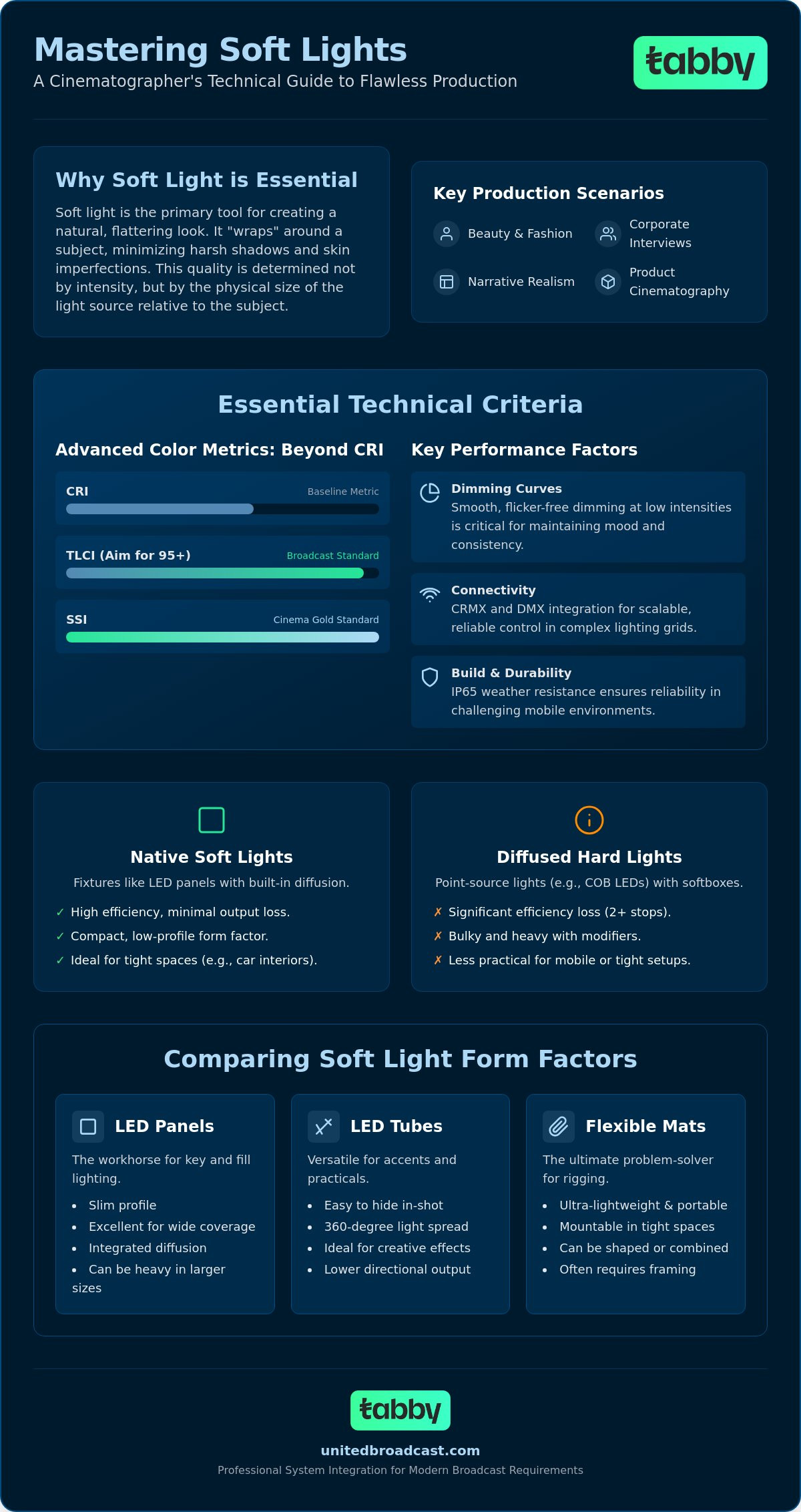
Soft light is characterized by its ability to "wrap" around a subject, effectively filling in shadows and creating a gradual transition between illuminated and dark areas. In professional cinematography, soft lights are the primary tool for creating a naturalistic look. This quality is less about the intensity of the lamp and more about the physical size of the source relative to the subject. By increasing the surface area from which light is emitted, cinematographers can minimize harsh lines and provide a flattering aesthetic that hides skin imperfections. Modern LED technology has revolutionized this category by integrating sophisticated diffusion layers directly into the fixture, allowing for a slim profile that mimics the properties of traditional large-scale silk setups.
Soft lighting is the preferred choice for several key production scenarios:
- Beauty and Fashion: Minimizes skin textures and provides even coverage across the talent's face.
- Corporate Interviews: Creates an approachable, professional look that is easy to replicate across different locations.
- Narrative Realism: Simulates natural window light or soft interior practicals without looking "lit."
- Product Cinematography: Reduces harsh specular highlights on reflective surfaces like glass or polished metal.
The Physics of "Wrap" and Shadow Transition
The fundamental principle governing the behavior of Hard and soft light is the relationship between source size and distance. A large-aperture fixture placed close to a talent's face reduces micro-contrast on skin textures, producing the smooth highlights required for high-end commercials. Because the light hits the subject from multiple angles simultaneously, it "wraps" around the contours of the face. However, the inverse square law remains a critical factor on set. As you move a light source closer to achieve maximum softness, the fall-off in intensity becomes more rapid. Precision placement is required to maintain consistent exposure while achieving the desired wrap.
Soft Light vs. Diffused Hard Light
Professional operators often distinguish between native soft sources and modified hard lights. Native soft fixtures, such as high-quality LED panels or flexible mats, utilize specialized optics to ensure an even spread of light across the entire front diffusion. These are often more efficient than attaching a heavy softbox to a point-source COB (Chip on Board) LED. When you add layers of diffusion to a hard light, you encounter significant efficiency losses, sometimes reducing the output by two stops or more. Dedicated soft lights are superior when you need a compact, low-profile fixture that provides a wide, even beam without the bulk of external modifiers. In tight locations like car interiors, the slim form factor of a native soft panel is often the only viable solution. Exploring a curated professional lighting equipment inventory is the first step in mastering these technical nuances for any professional kit.
Essential Technical Criteria: Evaluating Professional LED Soft Lights
Selecting high-performance soft lights involves more than comparing wattage or lumen counts. In a professional environment, the ability to reproduce skin tones accurately and maintain consistency across a multi-camera setup is the true measure of a fixture's value. While raw output is important for competing with ambient light, the technical precision of the LED array determines how much work your colorist will face in post-production. Every component, from the emitter type to the cooling system, must meet rigorous standards to ensure reliability during long production days.
Advanced Colour Metrics: Beyond CRI
Color accuracy remains the most critical factor for professional cinematography. While CRI (Color Rendering Index) provides a general baseline, it often fails to account for the specific sensitivities of modern digital sensors. The TLCI (Television Lighting Consistency Index) is a more relevant metric for broadcast and cinema, as it mimics the way a camera "sees" light. For the highest level of precision, cinematographers now utilize the Spectral Similarity Index (SSI). This metric compares the light's spectral distribution to a reference source, such as daylight or tungsten, ensuring that your soft lights blend seamlessly with other fixtures on set. Additionally, look for fixtures offering Green/Magenta tint adjustment. This feature is essential for matching different LED brands, preventing the distracting color shifts that occur when mixing older and newer technologies.
Control and Integration Protocols
Modern workflows demand sophisticated control beyond simple manual knobs. Integration into a DMX or wireless CRMX (LumenRadio) ecosystem is now a standard requirement for professional studio and location kits. These protocols allow for centralized control of entire lighting grids from a console or tablet, which is vital for maintaining a fast-paced shooting schedule. If you are building a versatile kit, evaluate the software ecosystem supporting the hardware. Apps like Sidus Link or ARRI LiCo provide granular control over CCT, HSI, and digital gels. Power versatility is another major consideration. Professional fixtures should offer options for both AC mains and battery power via V-mount or Gold-mount plates, allowing for high-output performance in remote environments where traditional power isn't available.
Performance at the lower end of the dimming range is another hallmark of quality. Many entry-level lights suffer from significant color shifts or flickering when dimmed below 10%. Professional-grade fixtures utilize advanced pulse-width modulation to maintain a perfect dimming curve and stable color temperature even at 1% intensity. Finally, consider thermal management. While active cooling allows for higher output in smaller housings, the fans must be silent to avoid ruining audio takes. If you need assistance configuring a multi-brand lighting network, you can consult with our technical specialists for a customized solution tailored to your specific Professional Lighting Equipment needs.
Comparing Form Factors: LED Panels, Tubes, and Flexible Mats
Choosing the right physical shape for your soft lights is as much a logistical decision as it is a creative one. While a 2x1 panel might be the standard for a controlled studio interview, a high-intensity tube or a lightweight flexible mat offers solutions for unconventional locations. The choice of form factor dictates your rigging speed, the size of your lighting crew, and the specific quality of reflections on your subject. Understanding the mechanical advantages of each design allows a Director of Photography to select the most efficient tool for the specific constraints of a production.
The Versatility of the 2x1 LED Panel
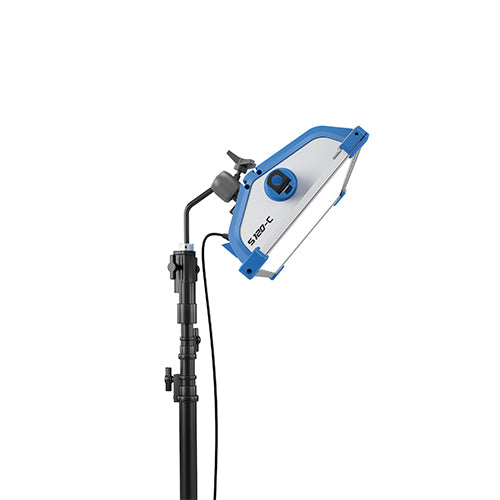
The 2x1 LED panel has become the industry workhorse because of its balance between surface area and transportability. It provides enough "wrap" to serve as a primary key light while remaining small enough to fit in a standard kit case. These fixtures are supported by extensive modifier ecosystems, including honeycombs, snapgrids, and dedicated softboxes that allow for precise spill control. You can explore our range of ARRI Lighting for industry-standard 2x1 solutions that have defined professional broadcast standards for years. Their durability makes them ideal for high-utilization environments where equipment is frequently moved and re-rigged.
Flexible Mats and Tube Lights for Creative Setups
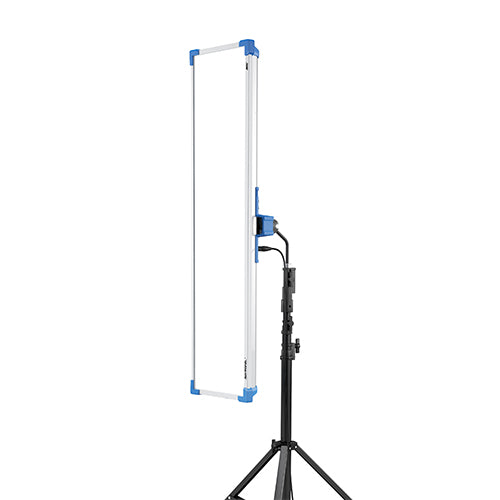
Tube lights and flexible mats solve problems that traditional panels cannot. LED tubes are particularly effective for creating long, vertical catchlights in a subject's eyes or serving as in-frame practicals in architectural lighting. Flexible mats offer the highest softness-to-weight ratio available in the 2026 market. Their thin profile makes them the ideal choice for overhead rigging in low-ceiling environments or hiding inside car interiors where every millimeter of space counts. While they lack the structural rigidity of a panel, their ability to be taped or velcroed to surfaces provides unparalleled flexibility on location.
Transport logistics and crew size should influence your final selection. Panels are durable but require sturdy stands and often more hands for complex rigging. Flexible mats and tubes are significantly lighter, making them suitable for "run-and-gun" productions or solo operators. However, these portable options often have a shorter light throw compared to high-output panels. If your production requires illuminating large areas from a distance, the concentrated power of a traditional LED panel remains superior. Balancing these factors ensures your kit is versatile enough to handle the technical demands of any set.
Tiered Brand Analysis: Finding the Right Fixture for Your Budget
The professional lighting market has shifted from a monolithic landscape to a tiered ecosystem where performance and price points vary significantly. Identifying the right soft lights requires an analysis of your production's specific demands, from color-critical narrative work to high-volume broadcast environments. While flagship brands continue to set the benchmark for consistency, mid-tier manufacturers have closed the gap in raw output and color accuracy. Selecting the right brand isn't just about the initial purchase; it's about the ecosystem of modifiers and the long-term reliability of the hardware.
Cinema Grade: ARRI and Creamsource
For major motion pictures and high-end commercials, ARRI remains the definitive choice for professionals. The SkyPanel series and the Orbiter provide the precise color consistency required for the sophisticated sensors found in modern professional video cameras. This ecosystem is a safe long-term investment because of its robust build quality and extensive global support network. Similarly, Creamsource has established itself as a leader with the Vortex series, offering incredible durability and the high-speed performance necessary for specialized cinematography and high-frame-rate filming.
The Modern Production Kit: Aputure and Nanlux
Aputure and Nanlux have disrupted the professional market by offering high-performance fixtures at more accessible price points. The Aputure Nova series provides high-output soft lights with advanced RGBWW control, making it a favorite for independent productions and corporate studios. The Nanlux Dyno series serves as a serious contender for large-scale soft illumination, rivaling traditional fixtures in both output and beam quality. When investing in these systems, it's vital to consider the availability of local technical support and service center repairs to maintain your kit's longevity and performance over years of use.
Evaluating the total cost of ownership involves looking beyond the initial sticker price. Specialized solutions like Astera tubes provide unique pixel control and wireless convenience that standard panels can't match, but they require a specific ecosystem of chargers and transmitters. A well-rounded kit often blends these tiers, using flagship fixtures for critical key lighting and mid-tier panels for fill or background work. This hybrid approach allows you to maximize your budget without compromising on the quality of your final image. If you need help determining which brand fits your specific workflow, contact our technical consultants for a detailed equipment audit and personalized recommendations.
Selecting Your Soft Lighting Solution at UBMS
Choosing professional equipment is a significant investment that requires more than just a transaction. United Broadcast & Media Solutions (UBMS) serves as a dedicated technical partner for the regional media industry, providing the most comprehensive inventory of soft lights in the UAE. Whether you're outfitting a boutique production kit or a multi-camera broadcast facility, our team understands the logistical and technical pressures of the modern set. We offer expert system integration services to design complete studio lighting grids, ensuring that every fixture is positioned for maximum efficiency and control.
We invite professionals to our showroom for hands-on demonstrations. Comparing fixtures side-by-side is the only way to truly evaluate beam quality and the tactile response of the control interfaces. Beyond the initial purchase, we provide extensive after-sales support and technical maintenance. Our service center is equipped to handle professional gear repairs, ensuring your equipment remains operational throughout its lifecycle. This commitment to service helps you avoid the downtime that can derail high-stakes productions.
Why Professionals Choose UBMS for Lighting
Accessing global brands with the benefit of local expertise and warranty support is a primary advantage for our clients. We assist in customized kit building, helping you pair your soft lights with the right Sony Alpha lenses and camera systems for a balanced workflow. Our strategic location allows for rapid equipment dispatch across the UAE, meeting the tight deadlines often found in professional production schedules. You aren't just buying a light; you're gaining access to a support infrastructure designed for the professional media landscape.
Final Checklist Before You Purchase
Before finalizing your equipment selection, verify these technical details to ensure seamless integration into your existing workflow:
- Confirm DMX or wireless CRMX compatibility with your current lighting console or tablet ecosystem.
- Check battery flight-safe regulations if your production requires frequent international travel.
- Evaluate the availability of specific modifiers like grids or softboxes for your chosen form factor.
- Ensure the fixture's power draw is compatible with your portable battery solutions or studio circuit capacity.
Ready to upgrade your production quality? Shop the complete Soft Lights collection at UBMS and secure the tools needed for your next cinematic project.
Future-Proofing Your Cinematic Lighting Kit
Mastering the technical nuances of modern soft lights is essential for any cinematographer aiming for consistency in a digital-first environment. As explored throughout this guide, the transition from raw output to sophisticated color science means your choice of fixture dictates the efficiency of your entire post-production workflow. By prioritizing high TLCI ratings and selecting form factors that suit your specific rigging needs, you ensure that every frame maintains professional standards. Whether you're building a permanent studio grid or a mobile location kit, the right equipment acts as the foundation for your creative vision.
United Broadcast & Media Solutions (UBMS) leverages over 25 years of experience in broadcast and cinema solutions to support your technical journey. We're proud to be an authorized distributor for global leaders such as ARRI, Aputure, and Nanlux, ensuring you have access to the latest innovations in lighting technology. Our dedicated technical service center provides the professional repairs and maintenance required to keep your gear in peak condition for years to come. To explore how we can integrate these solutions into your next project, contact our expert team for a personalized consultation. We look forward to helping you illuminate your next production with absolute precision.
Frequently Asked Questions
What is the difference between hard light and soft light?
Hard light creates defined, high-contrast shadows because it originates from a small, concentrated point source. In contrast, soft light originates from a large surface area, which allows the rays to hit the subject from multiple angles simultaneously. This creates a "wrap" effect that softens shadow transitions. The perception of softness isn't fixed; it changes based on the size of the light source relative to its distance from the subject.
Do I need a softbox if I am using an LED soft panel?
You don't always need a softbox if your panel includes a high-quality integrated diffusion layer. Many modern LED panels are designed to be "native" soft sources that provide an even spread right out of the box. However, a softbox is still beneficial when you need to increase the surface area for even softer shadows. It also provides a mounting point for honeycombs and grids to control light spill on set.
What are the best soft lights for YouTube and content creation?
Mid-tier fixtures from brands like Aputure and Nanlite are the best options for YouTube and professional content creation. These soft lights offer professional-grade color accuracy at a price point that fits most independent budgets. Their integrated app control systems allow creators to adjust intensity and color temperature from their smartphones. This is a significant advantage for solo operators who need to manage their own lighting while staying in front of the camera.
How do I match the colour of different LED soft light brands?
You can match different brands by utilizing the Green/Magenta tint adjustment found on professional soft lights. This allows you to compensate for the technical variations in LED manufacturing and binning. Even high-tier fixtures can have slight shifts in their spectral output. Using a color meter to identify the specific shift and then adjusting the tint ensures that your skin tones remain consistent across all camera angles during a multi-brand production.
Are LED tube lights powerful enough to be a key light?
LED tube lights are definitely powerful enough to serve as a key light, particularly in close-range setups or when rigged in clusters. Their long, narrow form factor produces a unique wrap that is highly flattering for portraiture and interviews. While they may not have the raw throw of a large 2x1 panel, their versatility in tight spaces makes them an essential tool for creative key lighting in modern cinematography and broadcast environments.
What is the most important colour metric to look for in a soft light?
The Spectral Similarity Index (SSI) is the most important metric for ensuring your light matches your camera sensor's color profile. While CRI and TLCI provide a general idea of performance, SSI offers a more technical comparison to standard light sources like daylight. This is crucial for digital sensors, which are highly sensitive to spectral spikes. Choosing a fixture with a high SSI score ensures that skin tones look natural and predictable.
Can I power professional soft lights with V-mount batteries?
Most professional soft fixtures can be powered by V-mount or Gold-mount batteries for location work. It's important to check the power draw of your light against the maximum discharge rate of your battery. High-output panels often require 26V batteries or dual-battery plates to reach their full intensity. This portability is essential for shooting in remote environments where AC mains power is unavailable or difficult to access safely without a generator.
Why are ARRI SkyPanels considered the industry standard?
ARRI SkyPanels are the industry standard because of their unmatched color consistency and rugged durability. These fixtures provide a predictable output that professional colorists and cinematographers trust for high-stakes motion pictures. Their integration into the broader ARRI ecosystem, combined with a vast range of optical accessories, allows them to adapt to any lighting scenario. This reliability ensures they maintain their performance and resale value over decades of professional use in the field.


