

Professional Guide to Cinema Light Modifiers 2026
In professional cinema, light modifiers are precision engineering tools for controlling the physics of light, not just accessories for making it "soft." You've likely felt the frustration of a high-output LED melting a standard softbox or watched a high-contrast scene lose its depth because of uncontrolled light spill. These technical hurdles, along with inconsistent color shifts across different diffusion materials, can compromise the integrity of professional sensors and the final image.
Mastering these variables is essential for any cinematographer aiming to achieve a consistent cinematic look while maintaining on-set efficiency. This comprehensive guide provides the technical expertise needed to choose the right light modifiers for professional broadcast and cinema sets. We'll explore how to build a durable, heat-resistant lighting kit that stands up to current industry standards. You'll also learn how to streamline your setup time using efficient mounting systems and precise light-shaping techniques that protect your contrast and color accuracy regardless of the fixture's intensity.
Key Takeaways
- Understand the technical relationship between modifier size and shadow edge transitions to gain precise control over light texture on professional sensors.
- Learn when to deploy octaboxes for natural circular catchlights versus lantern modifiers for achieving 360-degree ambient fill in narrative scenes.
- Evaluate critical selection factors for professional light modifiers, focusing on heat resistance for high-output LEDs and long-term color consistency across diffusion materials.
- Master the use of Fresnel lenses and barndoors to create the iconic Hollywood spotlight look and execute precise light cuts on complex sets.
- Identify the essential "Three-Modifier" starter kit components required to build a versatile and durable lighting setup for modern digital cinema workflows.
The Physics of Light Shaping: Why Modifiers Define Your Look
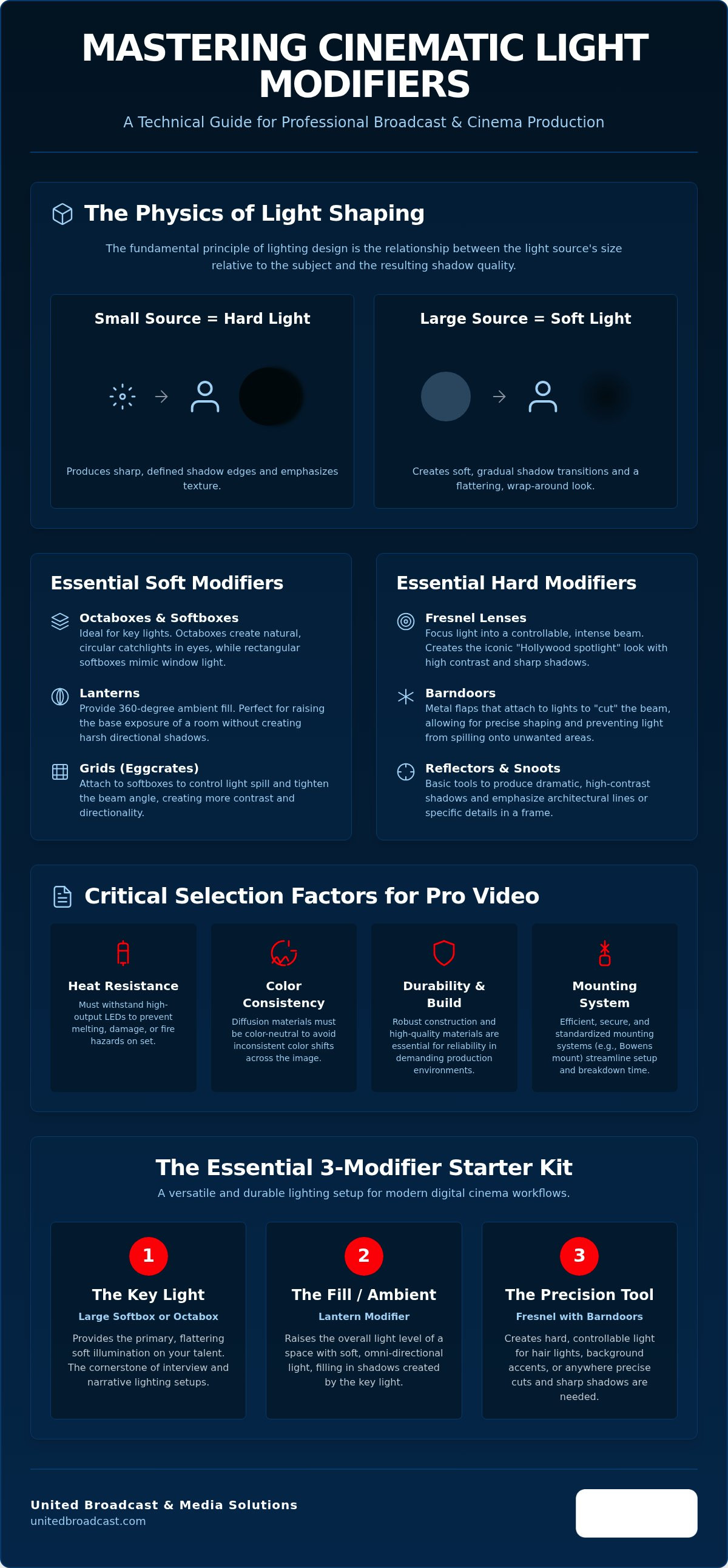
Light modifiers are essential engineering tools designed to redirect, diffuse, or cut light beams to achieve a specific visual aesthetic. They aren't just accessories; they're the primary method for controlling how photons interact with a set. The relationship between a modifier's physical size and the shadow edge transition is the fundamental principle of lighting design. A larger modifier relative to the subject creates a gradual transition between light and shadow, while a smaller source produces sharp, defined edges. Understanding this geometry allows cinematographers to manipulate the perceived depth and texture of a scene with mathematical precision.
Digital cinema cameras require significantly more precision than traditional photography equipment. Modern sensors are highly sensitive to subtle color shifts and light spill, which can easily ruin the contrast of a high-dynamic-range image. Filmmakers must also account for stop loss. Every layer of diffusion or redirection reduces the total output intensity, requiring a calculated balance between light quality and the power available from the fixture. For those new to these technical requirements, reviewing a Glossary of motion picture terms can help clarify the various tools used to manage these variables on a professional set.
Soft Light vs. Hard Light: Mastering Contrast
Soft light modifiers wrap illumination around a subject's features, which effectively minimizes skin texture and creates a flattering, natural look. These tools are indispensable for interview setups and narrative scenes where a gentle roll-off is required. Conversely, hard modifiers like reflectors or snoots produce dramatic shadows and emphasize architectural lines within a frame. In digital storytelling, the catchlight is a critical narrative element. The specific shape and quality of the light source reflected in an actor's eyes can suggest a specific environment or emotional state, making the choice of modifier a vital creative decision.
The Inverse Square Law in Studio Environments
Distance is a critical variable when managing light fall-off, particularly in tight broadcast studio setups where space is limited. The inverse square law dictates that light intensity is inversely proportional to the square of the distance from the source. Moving a modifier just a few feet away doesn't just reduce exposure; it changes the quality of the light itself. Effective light source size is the perceived area of the modifier from the subject's perspective, which directly determines the softness of the shadows regardless of the physical dimensions of the tool. Precision in placement ensures that you maintain consistent exposure levels across the entire performance area without sacrificing the desired texture.
Essential Soft Modifiers: Softboxes, Octas, and Lanterns
Soft professional lighting equipment relies on specific geometries to achieve a uniform, wrap-around glow. Standard rectangular softboxes are ideal for mimicking window light, whereas octaboxes provide a natural, circular catchlight in a subject's eyes. High-end light modifiers utilize double-diffusion layers to eliminate the "hotspot" from the LED or HMI source. This ensures the light is perfectly even across the entire front face. This technical precision is often explored in practice-led doctoral research regarding the impact of diffusion on visual perception and cinematic texture.
Lantern modifiers offer a unique solution for 360-degree ambient fill. Unlike directional softboxes, lanterns cast light in every direction simultaneously. They're perfect for top-down "space light" configurations or for raising the base exposure level of a room without creating obvious directional shadows. They provide a soft, organic feel that's difficult to replicate with flat-faced diffusion. Selecting the correct light modifiers for your specific camera sensor is vital for maintaining color consistency across the entire frame.
Directional Control with Grids and Eggcrates
Controlling soft light is as important as creating it. Honeycomb grids, or eggcrates, attach to the front of softboxes to restrict the beam angle and prevent light spill on studio backgrounds. Choosing between a 40-degree and a 60-degree grid depends on your required beam spread. Deeper grids provide more "punch" and tighter directionality. This allows for soft illumination on the talent while keeping the background dark and high-contrast.
Parabolic Modifiers for High-Output Throw
True parabolic modifiers use a specific mathematical curve to produce parallel light rays. This design results in a focused beam with significant throw, making it ideal for simulating sunlight over long distances. Silver internal coatings offer higher contrast and more output intensity. White interiors provide a softer, more matte quality. These tools are essential when you need the wrap of a soft source combined with the reach of a hard fixture. For assistance in configuring a setup that matches your specific production needs, consult with our technical integration team for expert guidance.
Hard Light Modifiers: Fresnel Lenses and Barndoors
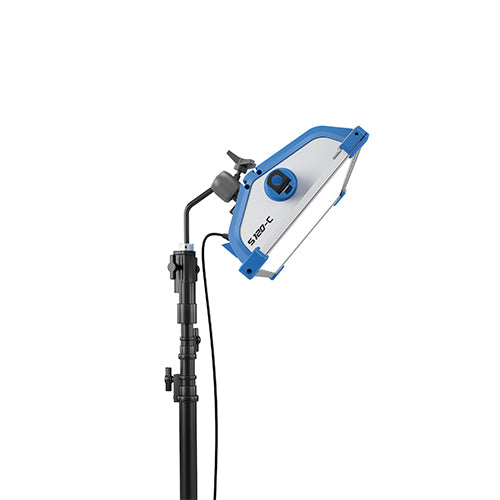
While soft light modifiers mimic natural environments, hard light modifiers provide the surgical precision required for high-contrast storytelling. Fresnel lenses remain the gold standard for this approach, offering the classic "spotlight" look that's defined cinema for decades. These tools allow gaffers to project a high-intensity beam over long distances with minimal spill. When combined with barndoors, these fixtures enable precise "cuts" across a background, ensuring light only hits the intended areas. For those looking to master these setups, ARRI Lighting Solutions provide the most reliable Fresnel systems for professional environments.
Projection attachments and snoots take this control even further. A snoot narrows the beam into a tight circle, while projection lenses allow for the insertion of gobos to create complex patterns or sharp geometric shapes. These are essential for creating "pools" of light or simulating light coming through a specific window frame. You'll find more details on these stylistic choices in The Ultimate Guide to Film Lighting, which highlights how hard sources define the mood of a scene.
Fresnel Mechanism: Flood vs. Spot
The core of a Fresnel fixture is its movable lamp carriage. By adjusting the distance between the light source and the lens, the operator can transition between "spot" and "flood" modes. In the spot position, the light is concentrated and highly directional. The flood position spreads the beam for broader coverage. Fresnel light is prized for its clean, single-shadow quality, which avoids the messy multiple shadows often seen with multi-LED arrays. The "scalloped" edge of a Fresnel beam refers to the distinct, stepped pattern created by the concentric rings of the lens, which helps maintain a relatively even field of light while allowing for a gradual fall-off.
Shaping the Beam: Flags, Cutters, and Scrims
Cinema professionals distinguish between "modifying" light quality and "shaping" the beam itself. While a softbox changes the quality, tools like flags and cutters are used to block light entirely. Solid flags are used to create negative fill, which adds depth by removing reflected light from one side of a subject. Cutters are large flags designed to "cut" the beam from hitting specific parts of the set, such as a white wall or a reflective prop.
Metal scrims are inserted directly into the fixture's accessory slot to reduce intensity. Unlike electronic dimming, which can occasionally cause color temperature shifts in certain fixtures, metal scrims reduce the lumen output without affecting the Kelvin value. This ensures your color remains consistent across the entire production regardless of the intensity levels required for the shot.
Critical Selection Factors for Professional Video Production
Professional video production environments demand equipment that can withstand grueling schedules. Unlike photography, where flashes are intermittent, cinema lighting fixtures often run for 12 to 18 hours straight. This makes heat resistance the most critical factor when selecting light modifiers. Cinema-grade materials are engineered to resist warping or melting under the constant thermal output of high-wattage sources. Using substandard materials doesn't just risk the modifier; it can cause catastrophic failure of the lighting fixture itself, especially when using 2000W COB lights or high-output HMI sources.
Color consistency is another non-negotiable requirement for high-end sets. Modern Professional Video Cameras are designed to capture a wide dynamic range and precise color science. If a softbox uses cheap diffusion material, it often develops a yellow tint over time due to heat exposure. This shift makes it impossible to match multiple lights on set, leading to expensive corrections in post-production. Professional kits utilize heat-resistant fabrics and heavy-duty rods that maintain their structural and optical integrity, ensuring your light quality remains neutral throughout the production's lifecycle.
Mounting Systems: Bowens vs. ARRI vs. Proprietary
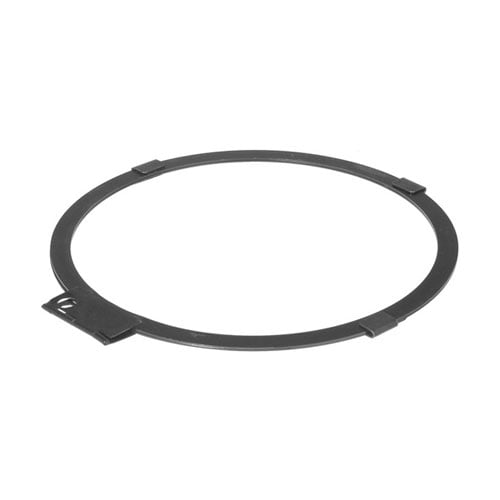
The Bowens mount has become the dominant standard for most modern LED light modifiers. Its three-point bayonet system allows for quick swaps and secure attachment across various brands. However, high-wattage production kits often utilize specialized ARRI mounts or other heavy-duty proprietary systems designed to support the weight of large Fresnel lenses or heavy softboxes. Speedring adapters are frequently used to bridge these different lighting ecosystems, allowing cinematographers to use their favorite modifiers across a variety of lamp heads without compromising stability.
Thermal Management and Ventilation
Thermal management is vital for the longevity of COB (Chip on Board) LEDs. Because these lights generate significant heat at the source, light modifiers must feature dedicated ventilation gaps or heat-wicking fabrics. Enclosed, non-vented modifiers can "cook" the LED, leading to premature diode failure or permanent color shift. Identifying high-temperature fabrics is essential. While standard photography materials might be sufficient for strobe use, they lack the specialized coatings required to handle the sustained heat of a cinema set. Always check for integrated vents that allow airflow without creating light leaks.
Building Your Kit: Standout Modifiers for 2026
Building a professional toolkit requires a strategic approach to selecting light modifiers. A versatile "Three-Modifier" starter kit typically consists of a large softbox for key lighting, a Fresnel lens for directional hard light, and a lantern for ambient fill. This combination provides the foundational flexibility needed for most narrative and broadcast environments. When you're selecting these tools for Sony Alpha Camera and Lenses setups, it's vital to consider the weight and mounting system of the modifier. Ensuring the rig remains balanced is essential for both handheld operation and gimbal stability.
Long-term reliability is just as important as initial performance. High-end modifiers eventually require professional maintenance, such as rod replacements or fabric repairs. Utilizing the United Broadcast & Media Solutions (UBMS) Service Center ensures your equipment remains in peak condition, which protects your investment over years of heavy use. Before you finalize any purchase, verify the compatibility of the speedring with your lamp head and confirm that the modifier's heat rating matches your light's maximum wattage.
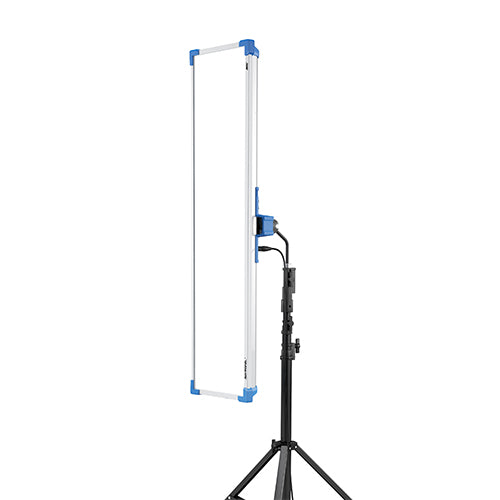
Standout Picking: The ARRI Omnibar Production Kit
The ARRI Omnibar Production Kit stands out as a premier shaping tool for 2026. It integrates seamlessly with existing ARRI lighting ecosystems, providing unmatched precision for high-end cinema sets. Its rugged construction is specifically designed to withstand the demanding conditions of national climates, where heat and dust can degrade lesser equipment. This kit offers the durability required for back-to-back production schedules without sacrificing optical quality or color accuracy.
Next Steps: Curating Your Professional Lighting Set
As you expand your inventory, evaluate a modifier’s "throw" to understand how far it can project light before significant intensity loss occurs. Professional gear requires more than just a transaction; it requires local technical support. Having access to a dedicated partner ensures that your workflow remains uninterrupted by equipment downtime. Before adding new tools to your kit, run through this final checklist:
- Confirm speedring compatibility (Bowens vs. ARRI vs. Proprietary).
- Verify heat resistance ratings for 24/7 continuous operation.
- Check the color neutrality of internal diffusion materials.
- Assess the total weight relative to your existing light stands.
Browse the full Light Modifiers collection at United Broadcast & Media Solutions (UBMS)
Advancing Your Cinematic Vision with Precision Tools
Precision lighting is the bridge between technical proficiency and visual artistry. By integrating the right light modifiers into your workflow, you gain the ability to control every photon that hits your sensor. Whether you're managing heat on a high-output set or ensuring color consistency across a multi-camera broadcast, these tools provide the foundation for a professional image. Mastering these elements allows you to focus on the creative narrative while maintaining the technical integrity of your footage.
As an authorized UAE distributor for high-end cinema brands like ARRI and Sony, United Broadcast & Media Solutions (UBMS) is committed to your production's longevity. Our expert technical service center and professional system integration specialists provide the infrastructure needed to maintain global standards in every shot. We serve as a dedicated technical partner, ensuring your equipment performs reliably under the most demanding production schedules. This expertise allows you to build a kit that is both durable and optically precise.
Use your technical expertise to push the boundaries of visual storytelling and achieve the precise look your project demands.
Frequently Asked Questions
What is the difference between a softbox and an octabox for video?
Softboxes are typically rectangular and mimic the natural look of window light, while octaboxes provide a circular catchlight that appears more organic in a subject's eyes. Octaboxes generally offer a more uniform wrap-around quality because of their shape. Choosing between them depends on the desired reflection in the subject and the specific spatial constraints of your set. For high-end narrative work, the circular reflection of an octabox is often preferred for close-up shots.
Can I use photography light modifiers on my cinema LED lights?
You can physically mount them using adapters, but it's generally discouraged for high-output cinema fixtures. Photography modifiers aren't designed for the sustained heat of high-wattage COB LEDs or HMI lights. Using them on cinema sets often leads to fabric melting or significant color shifts as the materials degrade under thermal stress. Professional light modifiers are specifically engineered with heat-resistant materials to handle these continuous operation requirements safely and reliably.
Do I need a specific speedring for different brands of modifiers?
Yes, speedrings serve as the critical interface between the lighting fixture and the modifier. While the Bowens mount is a common standard for many modern LEDs, professional cinema fixtures from brands like ARRI often use proprietary or heavy-duty mounting systems. Using a high-quality speedring ensures a secure fit and prevents light leaks. It's essential to match the speedring's inner diameter to your light's mount and its outer holes to the modifier's rod configuration.
What is a "grid" and why is it essential for interview lighting?
A grid, or eggcrate, is a honeycomb-shaped accessory that attaches to the front of a softbox to restrict beam spread. It's essential for interview lighting because it prevents light spill from hitting the background or the camera lens while keeping the light on the subject soft. This allows for precise contrast control. By using a grid, you can maintain a moody, dark background while ensuring the talent is perfectly illuminated and separated from the set.
How do I prevent my light modifiers from melting on high-power sets?
Preventing thermal damage requires using modifiers with integrated ventilation and heat-wicking fabrics. Ensure that your light's cooling fans aren't blocked by the speedring or the modifier's rear opening. For high-power sets, always select cinema-grade equipment designed for long-duration operation. If you notice a modifier becoming excessively hot, it's a sign that the thermal management is insufficient for that specific wattage. Professional gear often includes dedicated heat-release vents to mitigate this risk.
What is the best light modifier for a "natural sunlight" look?
A Fresnel lens or a large parabolic reflector is the best choice for simulating natural sunlight. These tools produce parallel rays that create sharp, defined shadows similar to those found outdoors. To achieve a realistic look, place the light at a significant distance from the subject to take advantage of the inverse square law. Adding a slight warm gel can further enhance the "golden hour" effect, providing a high-intensity, directional beam that mimics the sun's properties.
Why are some light modifiers significantly more expensive than others?
Price differences usually reflect the quality of materials, color neutrality, and thermal durability. Professional-grade light modifiers use specialized fabrics that don't yellow or shift color temperature over time, which is vital for matching multiple light sources. They also feature heavy-duty rods and reinforced stitching to withstand the physical demands of daily production. Investing in premium gear reduces the need for frequent replacements and ensures consistent optical performance on high-stakes broadcast and cinema sets.
How does the color of the modifier interior (silver vs. white) affect the image?
Silver interiors increase light output and create a higher-contrast look with more "punch" and defined highlights. This is useful when you need maximum intensity or a snappier image. White interiors produce a softer, more matte light quality with a gentler fall-off and lower overall output. The choice depends on the required mood. Use white for a delicate, naturalistic feel and silver when you need to project light over longer distances or desire a more dramatic aesthetic.


