

Professional Mirrorless Camera Buying Guide 2026: Choosing Your Cinema Powerhouse
Is your current mirrorless camera a versatile production asset or a technical bottleneck waiting to overheat under the intense UAE sun? Many professionals find themselves caught between the portability of hybrid systems and the rigorous demands of a dedicated cinema workflow. It's frustrating to invest in high-end gear only to face thermal shutdowns during a critical shoot or struggle with lens compatibility issues on set.
We understand that choosing the right equipment involves more than just comparing spec sheets. You need a system that integrates into your existing pipeline while offering the reliability that professional broadcast environments demand. This guide will help you master the technical nuances of modern mirrorless systems, from sensor size advantages to advanced cooling solutions. By the end, you'll have the confidence to select a cinema powerhouse from the UBMS 2026 collection that fits your production needs. We'll explore how to match these bodies with professional cinema lenses and ensure you have the after-sales technical support required for long-term success in the region's competitive media landscape.
Key Takeaways
- Learn why the modern mirrorless camera has transitioned from a hybrid tool into a modular cinema powerhouse essential for professional broadcast workflows.
- Understand the technical distinctions between Full-frame and Super 35mm sensors to maximize your dynamic range and achieve a true cinematic look.
- Evaluate top-tier options like the Sony Alpha 1 and Canon EOS R5 C to find the ideal balance of resolution and speed for your specific projects.
- Identify the essential cinema lenses and lighting equipment needed to build a professional rig that performs reliably on every set.
- Ensure long-term ROI by leveraging authorized UAE distribution and expert in-house service center support for your production gear.
The Evolution of Professional Video: Why Mirrorless Dominates in 2026
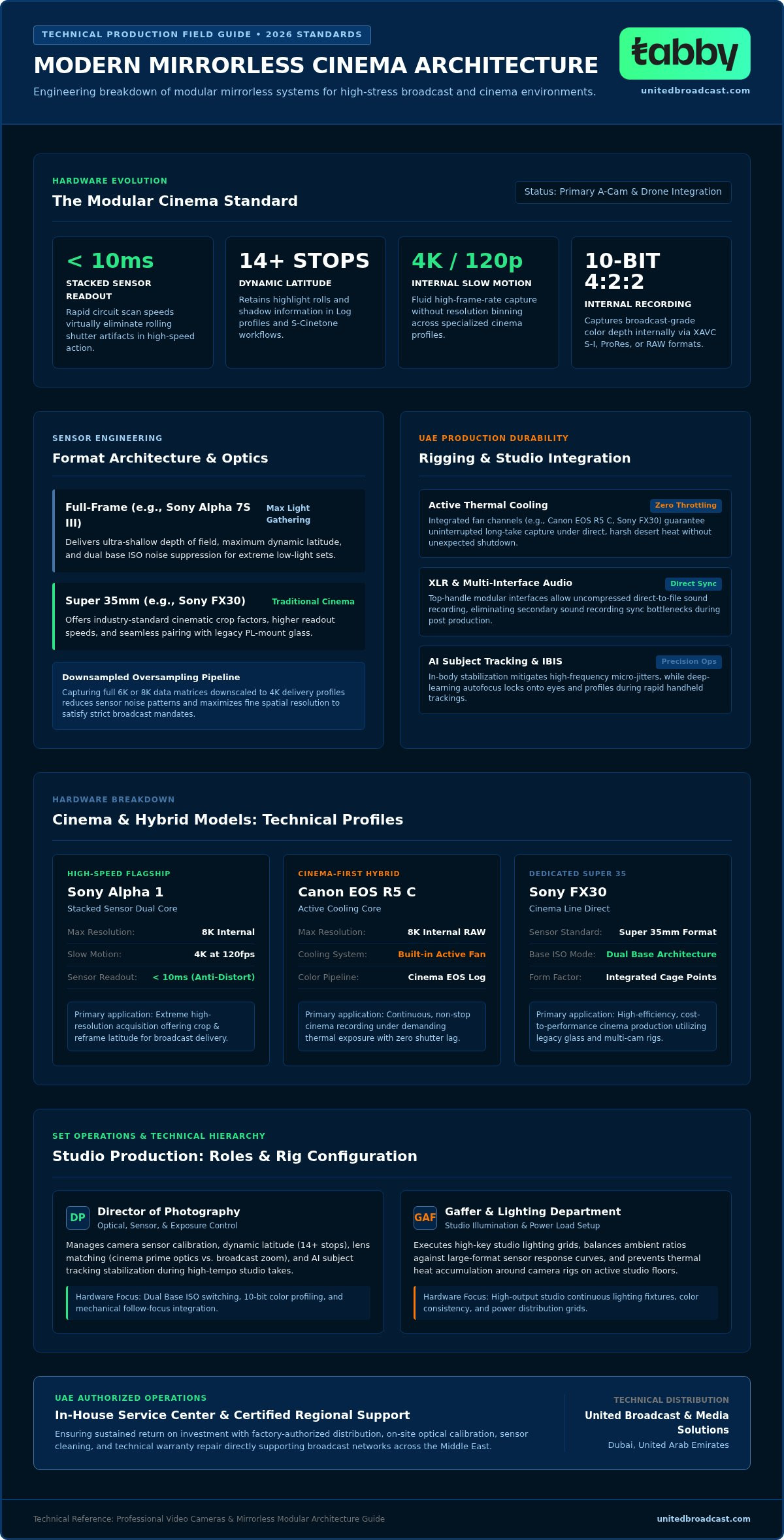
The professional landscape has undergone a fundamental shift. By 2026, the mirrorless camera is no longer viewed as a compromise for filmmakers. It's a modular cinema tool that anchors high-end productions. Traditional ENG camcorders once ruled the broadcast world. Today, large-format sensors have replaced them because they offer superior dynamic range and depth of field control. This transition relies on mirrorless camera architecture, which allows for a shorter flange distance and more compact optics.
Technological hurdles that once plagued these systems are now obsolete. Advanced stacked sensors provide readout speeds under 10 milliseconds, effectively eliminating rolling shutter. Battery life has also stabilized through more efficient processing and high-capacity cells. These improvements allow mirrorless bodies to fit seamlessly into professional video cameras workflows, serving as primary A-cameras or discreet crash cams.
Mirrorless vs. Traditional Cinema Cameras
Mirrorless systems offer distinct advantages in form factor. Their lightweight bodies are ideal for gimbal and drone operations where every gram impacts flight time and motor strain. You don't have to sacrifice quality for mobility. Modern units provide internal 10-bit 4:2:2 recording and RAW formats. This capability used to require bulky external recorders. For independent production houses in the UAE, the cost-to-performance ratio is unmatched. You can achieve a high-standard image without the overhead of traditional heavy-lift equipment.
The Rise of the "Cinema Line" Mirrorless
We've seen the emergence of a specific category: the cinema-first mirrorless. Models like the Sony FX30 and Canon EOS R5 C bridge the gap between photography and high-end cinematography. Reliability is the priority here. Built-in active cooling systems are essential for professional use, especially when shooting in the demanding UAE climate. These fans prevent thermal throttling during long takes. These bodies also integrate professional audio solutions. Dedicated XLR handles and multi-interface shoes mean you can capture high-fidelity sound directly to the camera. This eliminates the need for separate audio sync in post-production, streamlining the entire delivery process for fast-paced media environments.
Key Technical Specifications for High-End Video Production
Selecting a mirrorless camera for professional use requires a deep dive into sensor architecture. Full-frame sensors, like those in the Sony Alpha 7S III, offer superior light gathering and shallow depth of field. In contrast, Super 35mm sensors, found in the Sony FX30, provide a traditional cinematic perspective and often benefit from faster readout speeds. Achieving a true film look depends heavily on dynamic range and color science. Modern systems capture 14+ stops of latitude, allowing for rich detail in highlights and shadows when shooting in Log profiles or S-Cinetone.
Image clarity is often the result of oversampling. By capturing 6K or 8K data and downscaling it to 4K, the camera reduces noise and increases fine detail, ensuring digital video quality and encoding factors meet strict broadcast standards. Dual Base ISO provides two distinct native sensitivity levels, allowing the sensor to maintain a low noise floor even when shooting in low-light environments at higher gain settings.
Resolution and Frame Rates
High-resolution acquisition is now standard for future-proofed content. The Canon EOS R5 C and Sony Alpha 1 lead the market with 8K internal recording. This provides immense flexibility for cropping or stabilizing in post-production. For action-oriented work, 4K at 120fps delivers smooth, cinematic slow motion without sacrificing resolution. Balancing quality with storage is key. Professionals must choose between data-heavy RAW formats and efficient 10-bit codecs like XAVC S-I or ProRes to manage high-speed production demands and storage costs.
Autofocus and Stabilization
Modern autofocus has revolutionized solo operator workflows. The Sony a6700 and a7 IV utilize AI-based subject tracking to lock onto eyes and bodies with precision. This reliability reduces the need for constant manual pulling on fast-paced sets. In-Body Image Stabilization (IBIS) further assists handheld use by compensating for micro-jitters. While mechanical shutters are vital for stills, electronic shutters are the standard for video. Using an electronic shutter requires a fast sensor readout to prevent rolling shutter distortion during quick pans or high-speed movement.
Top Mirrorless Cameras for Professionals: The 2026 UBMS Collection
The UBMS 2026 collection represents the peak of digital camera technology, specifically refined for the professional. Selecting a mirrorless camera requires balancing specialized cinema features with the adaptability of hybrid designs. We've curated these models to ensure they meet the specific technical demands of the UAE media industry. Whether you're outfitting a broadcast studio or a solo documentary crew, the reliability of the hardware is your most important asset.
Cinema-First Mirrorless Solutions
The Sony FX30 (AED 6617.0) is the most accessible entry into the Sony Cinema Line. It comes with a dedicated XLR handle unit for high-fidelity audio capture. This makes it a top choice for creators who want the S-Cinetone look in a Super 35mm format. For those needing full-frame power, the Canon EOS R5 C (AED 13000.0) is a formidable rival. It features an active cooling fan to prevent the thermal issues often found in compact hybrid bodies. It's a true 8K powerhouse that switches seamlessly between professional stills and Cinema EOS workflows. If you're looking for something even more compact for run-and-gun work, the Sony a6700 packs advanced AI tracking into a small, documentary-friendly frame.
Flagship Performance and Resolution
The Sony Alpha 1 (AED 19032.0) remains the flagship for high-resolution speed. It offers 50.1MP stills alongside 8K video capture. It's designed for elite sets where every frame must be perfect. For commercial photographers who also produce high-detail video, the Sony Alpha a7R IV provides peak resolution for large-format prints. Meanwhile, the Sony Alpha a7S III continues to be the preferred choice for low-light environments. Its sensor is optimized for clean video output at extreme ISO levels, making it the standard for night shoots.
The Sony Alpha a7 IV (AED 8078.0) serves as the versatile workhorse for hybrid shooters. It balances a high-resolution sensor with 10-bit video capabilities. This makes it ideal for corporate productions and event coverage. For those needing a dedicated B-roll unit, the Sony ZV-E10 (AED 2746.0) is a cost-effective solution. It integrates perfectly with your existing Sony Alpha lenses to maintain visual consistency across your production. Having these tools available at our showroom allows you to test specific configurations before deploying them in the field.
Building Your Rig: Essential Accessories and Cinema Lenses
A professional mirrorless camera is a modular foundation. It requires a structured ecosystem to function reliably in a high-stakes broadcast environment. Moving away from standard kit lenses to dedicated cinema lenses is the most significant step in this evolution. These optics provide the mechanical precision required for repeatable focus pulls and smooth iris control. Unlike consumer glass, cinema-grade lenses are designed to maintain color consistency and sharpness across the entire frame, which is vital for professional delivery.
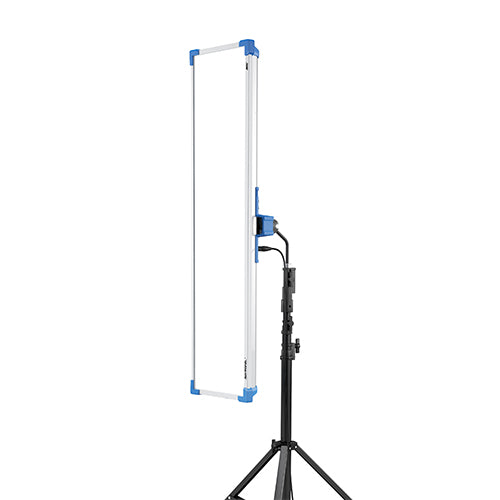
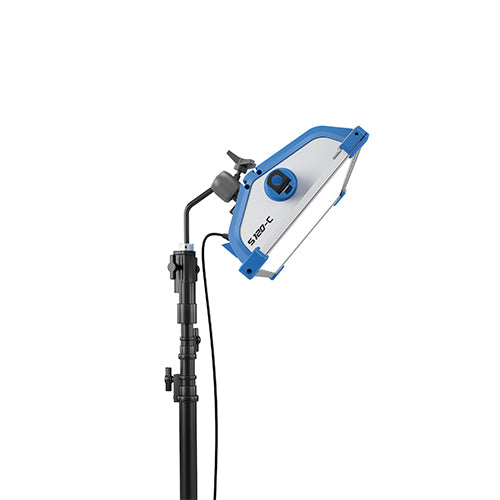
Lighting is equally critical to the final image. Even the most advanced sensors require high-quality illumination to maintain a clean noise floor and accurate skin tones. Integrating professional lighting equipment into your studio or field mirrorless camera setup ensures the sensor captures the full dynamic range capabilities mentioned earlier. Without proper light, even an 8K sensor will struggle with shadow detail and color fidelity, leading to increased grain that is difficult to fix in post-production.
Stability is the backbone of any professional shoot. Cages provide essential mounting points for accessories while protecting the camera body from the rigors of field use. A well-rigged system balances the weight of external monitors and power solutions, making handheld operation more ergonomic. This modular approach allows you to scale your rig from a minimal gimbal setup to a fully built-out cinema configuration depending on the day's production requirements.
Lenses for Mirrorless Cinema
Professional workflows often require specialized optics for different genres. Pairing a body with the Sony FE 100-400mm G Master provides the necessary reach for sports and wildlife cinematography. For narrative work, many cinematographers adapt PL-mount cinema glass to their E-mount or RF-mount bodies. This allows for the use of industry-standard primes that offer a specific character or "look." High-resolution 8K production demands lenses with superior resolving power to avoid softness or chromatic aberration at the edges of the frame.
Power and Monitoring
Reliability on set involves more than just the camera body. External monitors are vital for critical focus, especially when shooting in high resolutions where the built-in LCD is insufficient for judging fine detail. To power these rigs for a full production day in the UAE heat, V-mount battery solutions are the industry standard. They provide the necessary wattage for the camera, monitor, and wireless transmitters simultaneously. For high-end studio environments, we recommend integrating ARRI lighting solutions to ensure professional-grade color consistency and output.
Professional Support and Technical Services at UBMS
Investing in a mirrorless camera requires a strategy for long-term reliability. In the UAE, professional equipment faces environmental stressors that can compromise high-end sensors. Fine dust and extreme humidity are constant factors that demand rigorous maintenance schedules. Buying from an authorized distributor like UBMS ensures your gear remains a high-performing asset rather than a liability. We provide the localized technical infrastructure needed to protect your ROI through manufacturer-certified support and genuine parts.
Our in-house technical service centre is a cornerstone of our commitment to the local media community. We specialize in precision sensor cleaning and optical calibration to keep your footage pristine. A single speck of dust on a mirrorless sensor can ruin an entire day of 8K production. We recommend following our specific guide on Protecting Cinema Cameras from Humidity and Dust to maintain your system between professional service intervals. This proactive approach prevents costly repairs and ensures your equipment is always ready for the next shoot.
Expert System Integration
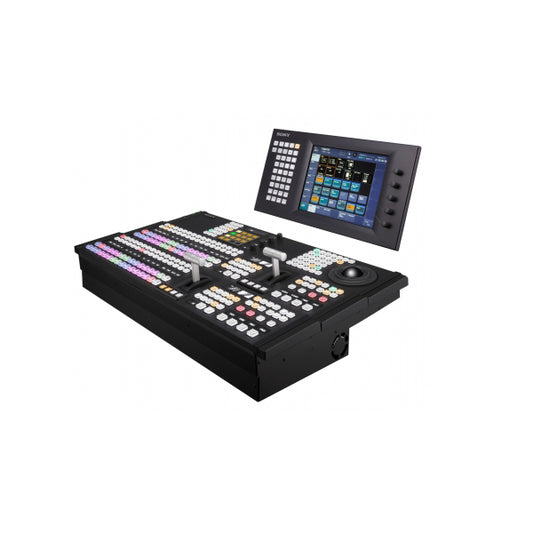
System integration is where UBMS separates itself from traditional retail vendors. We don't just sell bodies; we build workflows. Our team helps studios integrate a mirrorless camera into complex broadcast chains, ensuring signal integrity across 12G-SDI or IP-based networks. We provide custom technical solutions for multi-camera setups, including timecode synchronization and remote control protocols. For a deeper look at how we outfit modern facilities, consult our Advanced Broadcast Studio Gear Guide. This expertise allows you to scale your production without technical friction.
After-Sales and Technical Support
Our relationship with our clients begins after the sale. As an authorized partner for Sony Professional and Canon Cinema EOS, we provide critical firmware updates and hardware repairs that keep your systems current. Professional equipment maintenance is essential for maximizing uptime on set. We understand the high stakes of professional production and offer the technical backup required to resolve issues quickly. Whether you need a lens calibrated or a sensor checked after a desert shoot, our technicians possess the specialized tools to restore your gear to factory standards.
Mastering the Future of Cinematic Production
The transition to a professional mirrorless camera system represents a commitment to both mobility and technical excellence. We've explored how advanced sensor architecture, oversampled 8K resolution, and active cooling have redefined what's possible in a compact form factor. By selecting the right combination of cinema glass and robust rigging, you ensure your production meets the highest global standards while remaining adaptable to the unique demands of the UAE media landscape.
Since 1997, UBMS has served as a trusted advisor to the region's filmmakers and broadcast professionals. As an authorized Sony and Canon distributor, we offer more than just hardware. Our system integration specialists and expert in-house service centre provide the technical infrastructure required to keep your gear calibrated and operational. We understand the high stakes of professional production and are here to support your creative journey with reliable, world-class solutions.
We look forward to helping you build your next cinema powerhouse and ensuring your equipment delivers peak performance for years to come.
Frequently Asked Questions
What is the best mirrorless camera for 4K video in 2026?
The ideal choice depends on your specific production requirements and budget. For full-frame low-light performance, the Sony Alpha 7S III remains a benchmark for many operators. If you are entering the Cinema Line, the Sony FX30 offers exceptional 4K oversampled from a 6K sensor. Both systems provide 10-bit 4:2:2 internal recording, which is the current professional standard for high-end digital delivery in the broadcast industry.
Can I use professional cinema lenses on a mirrorless camera?
You can adapt professional cinema lenses to almost any modern mirrorless camera using high-quality mount adapters. E-mount and RF-mount systems are designed with a short flange focal distance, making them ideal for PL or EF mount cinema glass. This flexibility allows filmmakers to utilize premium optics from brands like ZEISS, ARRI, or Cooke while benefiting from the compact and advanced sensor technology found in contemporary mirrorless bodies.
How does the Sony FX30 compare to the Sony a7S III for video?
The primary difference lies in sensor size and body ergonomics. The Sony FX30 features a Super 35mm sensor and belongs to the Cinema Line, offering a cage-free design and a dedicated XLR audio handle for professional sound. The Sony Alpha 7S III utilizes a full-frame sensor, providing superior low-light sensitivity and a built-in electronic viewfinder. While both record 4K 120p, the FX30 is specialized for video-first workflows, whereas the a7S III remains a hybrid powerhouse.
Do mirrorless cameras overheat during long video recordings in the UAE?
Thermal management is a priority for professionals in the UAE climate. Hybrid mirrorless cameras without internal fans may experience shutdowns during extended 4K or 8K takes in high temperatures. However, cinema-focused models like the Canon EOS R5 C and Sony FX30 include active cooling systems. These built-in fans dissipate heat effectively, ensuring reliability during long production days. For non-cooled bodies, we recommend using external cooling grips or recording in shorter intervals to prevent hardware stress.
What is the difference between a hybrid mirrorless and a cinema mirrorless camera?
Hybrid systems, such as the Sony Alpha a7 IV, balance high-resolution photography with professional video capabilities. A cinema mirrorless camera, like the Sony FX series, prioritizes video-centric features. These often include internal cooling, tally lights, multiple mounting points, and professional audio inputs like XLR. While a hybrid body often includes an electronic viewfinder for stills, a cinema mirrorless camera is built for modular rigging and sustained video performance on professional broadcast or digital cinema sets.
Is 8K resolution necessary for professional video production?
While 4K is the current delivery standard, 8K offers significant advantages during the production phase. Shooting in 8K allows for oversampling, which results in sharper 4K files with reduced noise. It also provides the flexibility to crop or reframe shots in post-production without losing detail. For high-end commercial work and wildlife cinematography, 8K is increasingly necessary to future-proof your content and maintain a competitive edge in the evolving professional media landscape.
Where can I get my professional mirrorless camera serviced in the UAE?
You can get your equipment professionally serviced at our dedicated technical service centre. We are an authorized partner for major brands like Sony and Canon, providing manufacturer-certified repairs and firmware updates. Our technicians specialize in sensor cleaning, lens calibration, and hardware maintenance. Regular servicing is essential for protecting your mirrorless camera from the dust and humidity typical of the UAE environment, ensuring your gear remains a reliable tool for your production workflow.
Does UBMS offer system integration for mirrorless-based studios?
Yes, UBMS has been a specialist in professional system integration since 1997. We help media organizations incorporate mirrorless systems into complex broadcast chains and studio environments. Our team provides custom solutions for multi-camera synchronization, signal routing, and remote control integration. We don't just supply the hardware; we design and commission complete technical ecosystems tailored to the specific needs of modern production facilities throughout the United Arab Emirates to ensure maximum operational efficiency.


