

Mastering Cinematic Lighting Techniques: The Professional’s Guide to High-End Production
A multi-million dollar cinema camera is effectively blind without the intentional application of light to define its frame. Mastering cinematic lighting techniques isn't just about illuminating a subject; it's about controlling the viewer's emotional response through contrast, texture, and shadow. You've likely felt the frustration of inconsistent lighting quality in high-stakes environments, where the wrong fixture choice or a lack of proper light shaping tools can compromise the visual narrative of an entire production.
We understand that choosing between traditional tungsten sources and the latest ultra-high-output LED systems requires more than just a passing knowledge of gear. This guide will teach you the essential techniques and professional equipment requirements used by top-tier cinematographers to create cinema-grade results. We'll examine the technical specifications of flagship fixtures like the ARRI SkyPanel X, explore advanced color metrics like the Spectral Similarity Index (SSI), and show you how to build a reliable lighting kit that meets global industry standards. By the end of this professional guide, you'll have the technical foundation to transform any environment into a high-end production space with precision and authority.
Key Takeaways
- Learn to utilize light as a narrative tool by mastering professional cinematic lighting techniques such as the foundational three-point setup and the iconic Rembrandt triangle.
- Evaluate the technical evolution of high-output LED ecosystems against traditional tungsten sources to ensure consistent results in professional broadcast and cinema environments.
- Master the art of light shaping by utilizing essential grip tools, including flags and silks, to achieve precise control over shadow density and texture.
- Identify the core components required to build a scalable, cinema-grade lighting kit centered on reliable industry brands like ARRI and Sony.
- Understand the logistical requirements for maintaining professional lighting infrastructure, focusing on technical reliability and system integration for high-stakes productions.
The Foundation of Cinematic Storytelling: Understanding Light Quality
Cinematic lighting is more than visibility. It's a precise language that communicates mood, time, and character motivation. Technical illumination focuses on hitting a specific exposure value on a sensor, but creative cinematography uses light to sculpt the frame. By mastering various cinematic lighting techniques, you transition from simply documenting a scene to authoring a visual narrative.
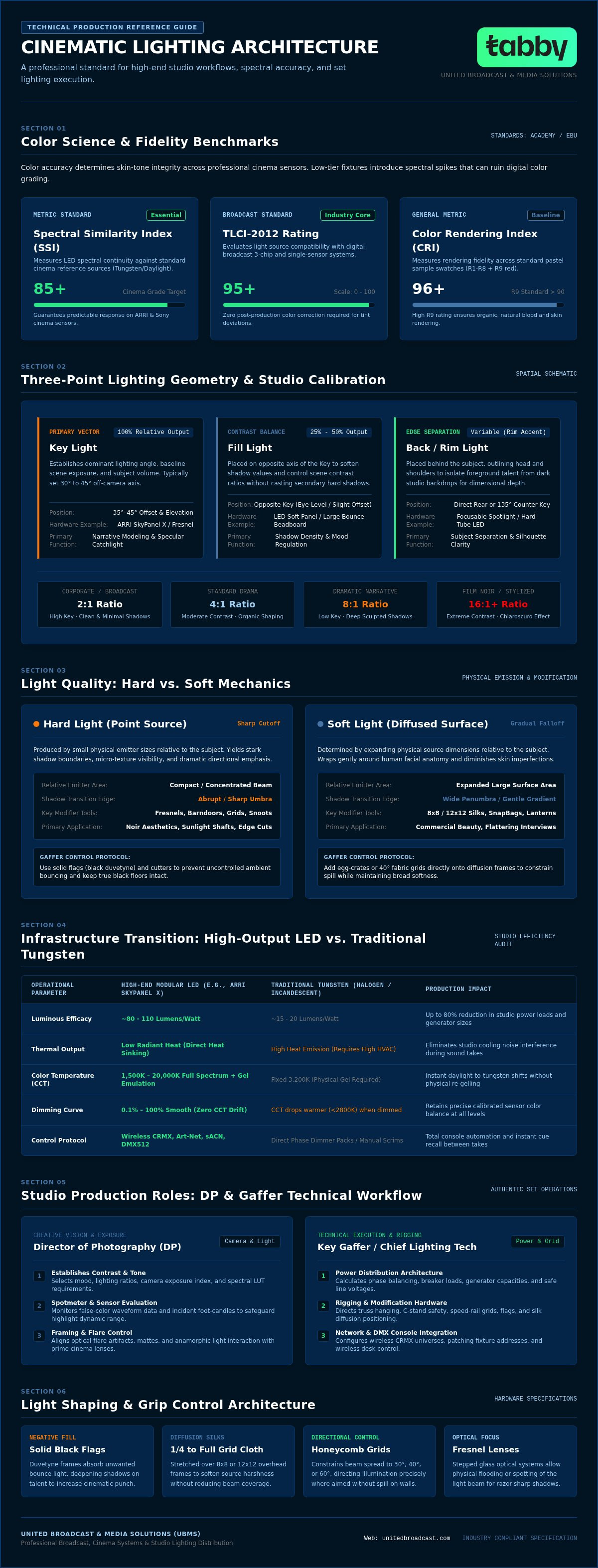
Color accuracy is the bedrock of high-end production. Professionals prioritize fixtures with high Color Rendering Index (CRI) and Television Lighting Consistency Index (TLCI) ratings, typically 95 or higher. In modern digital workflows, the Spectral Similarity Index (SSI) is also a critical metric. It measures how closely an LED source matches the continuous spectrum of traditional tungsten or daylight. Investing in professional lighting equipment ensures that skin tones remain natural and prevents the color shifting that often plagues lower-tier gear.
Dimension is created through the strategic placement of shadows. Even the most complex cinematic lighting techniques often find their roots in the three-point lighting setup. This foundational framework uses a key light for primary exposure, a fill light to manage shadow depth, and a backlight to separate the subject from the background. Understanding these ratios allows you to control the "fall-off" of light, which defines the shape and texture of everything within the frame.
Hard Light and High Contrast
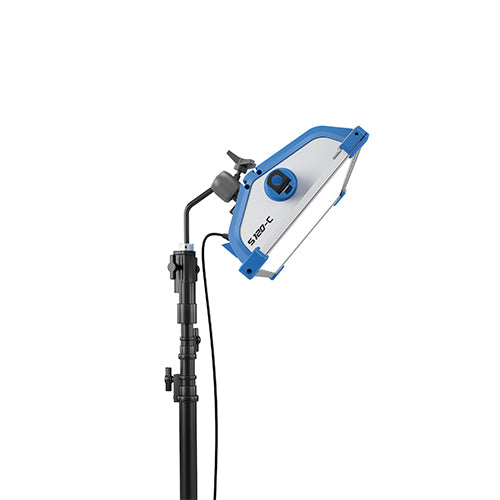
Hard light produces sharp shadow transitions and emphasizes texture. It's an effective tool for creating dramatic tension or achieving a classic film noir aesthetic. Fresnel fixtures, like those found in the ARRI lighting range, are the standard for this style. Their lenses allow you to spot or flood the beam with surgical precision. Controlling light spill is vital in high-contrast setups; using barn doors or honeycombs ensures that shadows remain deep and blacks aren't lifted by stray light hitting the environment.
Soft Light and Naturalism
Soft light mimics the gentle wrap of overcast skies or light passing through a large window. The quality of softness is determined by the physical size of the light source relative to the subject. To achieve this, professionals use large softboxes or push high-output sources through 8x8 or 12x12 silk frames. This increases the effective emitter surface area, resulting in flattering skin tones and a naturalistic look common in commercial and high-end narrative work. It's about reducing harsh transitions to create a more inviting, organic visual field.
Core Cinematic Lighting Techniques for Professional Sets
Building on the principles of light quality, professional arrangement creates the structural integrity of a scene. These cinematic lighting techniques serve as the blueprint for high-end production. They allow a cinematographer to guide the viewer's eye and establish a clear spatial logic within the frame. Without a structured approach to placement, even the most expensive sensors fail to produce a professional image.
Mastering the Three-Point Setup
This framework remains the industry standard for both narrative cinema and high-stakes broadcast environments. It's a reliable method for ensuring subjects are defined and visible while maintaining a sense of depth.
- The Key Light: This is your primary source. It sets the base exposure and establishes the direction of the scene's motivation.
- The Fill Light: Positioned opposite the key, the fill manages shadow density. Professional gaffers use the fill to control the contrast ratio without introducing distracting secondary shadows.
- The Backlight: Also known as a rim or hair light, this source provides essential separation. By hitting the subject from behind, it creates a three-dimensional effect that prevents the image from looking flat on a screen.
When executing these setups, color consistency is paramount. Professionals often reference the Academy Spectral Similarity Index to verify that their key and fill sources match the specific spectral requirements of their camera sensor. This technical precision ensures that skin tones remain uniform across the entire frame, regardless of the lighting ratio used.
Rembrandt lighting is a sophisticated variation of the three-point system. It's characterized by an inverted triangle of light on the subject's shadowed cheek. This look adds immediate character depth and is easily achieved using a single high-output point-source fixture from our professional lighting equipment collection. It creates a painterly aesthetic that has defined dramatic cinema for decades.
Stylistic Narrative Techniques
Advanced techniques allow you to manipulate the mood beyond simple visibility. Chiaroscuro, for instance, utilizes extreme contrast to create mystery and drama, purposefully leaving large portions of the frame in total darkness. This technique is highly effective for thrillers or high-stakes interviews where the subtext is as important as the dialogue.
Side lighting is another powerful tool for emphasizing texture and facial features. It's frequently used to establish a "hero" or "villain" aesthetic by highlighting only one side of the face. Conversely, silhouette lighting relies entirely on strong backlighting. This turns the subject into an anonymous, powerful shape against a bright background, which is perfect for dramatic reveals.
Motivated lighting ensures every source feels organic to the environment. If a character stands near a lamp, your key light must match that lamp's direction and color temperature. Integrating practicals, such as on-set desk lamps, helps sell the reality of the scene to the audience. If you need assistance designing a custom configuration for your next project, you can consult with our technical specialists to ensure your kit meets professional standards.
Professional Lighting Gear: LED vs. Tungsten in 2026
The hardware landscape has shifted. While cinematic lighting techniques remain rooted in classical theory, the tools used to execute them have evolved significantly. Choosing the right fixture involves balancing spectral accuracy with logistical efficiency. In 2026, professional sets increasingly rely on high-output LED ecosystems that offer modularity and weather resistance without compromising color quality.
The Rise of Professional LED Solutions
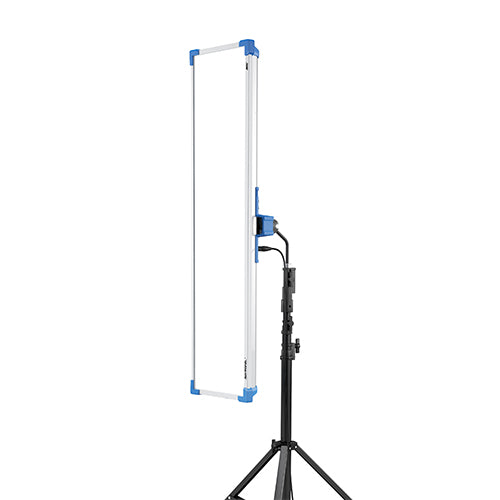
Modern LED technology has moved beyond simple bi-color panels. Flagship systems like the ARRI SkyPanel X utilize an RGBACL (Red, Green, Blue, Amber, Cyan, Lime) full-spectrum light engine. This provides a CCT range from 1,500 K to 20,000 K with full green and magenta tint control. These advancements allow cinematographers to match digital sensors with surgical precision. Integrating professional lighting equipment into your workflow also simplifies data management. Most high-end fixtures now feature native CRMX and sACN protocols, enabling gaffers to adjust color and intensity wirelessly from a tablet. This speed is essential for maintaining production momentum in high-stakes environments.
Traditional Sources in Modern Cinematography
Despite the dominance of LEDs, traditional sources retain a specific role in high-end production. Tungsten remains the gold standard for spectral similarity, as its incandescent blackbody radiator provides a continuous spectrum with an SSI of 100. This is why many directors of photography still prefer ARRI lighting tungsten units for close-up character work where skin tone rendition is the top priority. However, the logistical trade-offs are significant. A traditional 10,000W Tungsten Fresnel requires industrial power distribution and generates massive heat loads, whereas a 2,400W LED point source produces comparable photometrics while drawing 75% to 80% less power.
HMI (Hydrargyrum Medium-arc Iodide) fixtures continue to be the primary choice for large-scale daylight simulation. When you need to punch through heavy diffusion or compete with the sun on exterior sets, the sheer output of a 6K or 18K HMI is difficult to replicate with current LED technology. Understanding the intersection of cinematography and lighting technology helps professionals decide when to prioritize the raw power of a discharge lamp over the efficiency of a solid-state source. Managing these high-heat traditional fixtures requires specialized grip expertise and robust power infrastructure, making them better suited for large-scale cinema projects than fast-paced broadcast studios.
Advanced Light Shaping and Grip Equipment
A professional light source provides the energy, but grip equipment provides the intent. High-end cinematic lighting techniques are often defined by the light you remove from the frame rather than what you add. Mastering the subtraction of light through negative fill is essential for creating shape and contrast. By using large black solids or flags on the shadow side of a subject, you prevent ambient light from bouncing back into the face. This ensures deep, rich blacks that maintain detail without looking muddy or flat on the sensor.
Modifiers and Diffusion
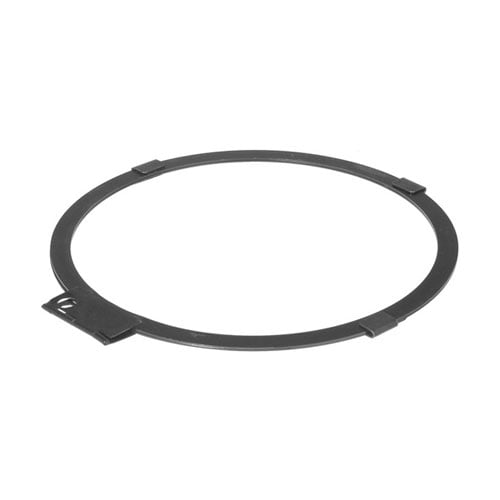
Achieving a specific texture requires a diverse inventory of diffusion materials. Softboxes and octabanks are industry standards for commercial beauty lighting because they create a large, uniform emitter surface. However, the specific material chosen significantly impacts the light throw and wrap. A 1/4 Grid Cloth offers a different specular quality than a Full Silent Frost or Magic Cloth. Integrating professional tools like the ARRI Omnibar Production Kit allows for rapid mounting and adjustment of these modifiers, ensuring that light quality remains consistent across multiple setups in a high-stakes environment.
Precision shadow control relies on the strategic use of flags, nets, and silks. Flags are utilized to block light entirely, often referred to as "cutting" the light. Nets allow you to reduce the intensity of a source by specific f-stop increments without changing its quality. Silks act as portable diffusion, softening harsh point sources on the fly. Supporting these heavy-duty modifiers requires industry-standard C-Stands and combo stands. In any professional environment, safety protocols are mandatory. Every overhead fixture and large flag must be secured with sandbags and safety chains to protect the crew and the high-value equipment on set.
Precision Control with Grip Gear
Localized light placement is achieved through the use of barn doors and snoots. These tools allow a gaffer to pinpoint light on a specific background element or a character's eyes without spilling onto the rest of the set. For added visual depth, professionals use cucoloris, or "cookies," to break up flat light with organic patterns. This mimics the dappled effect of sunlight through foliage or architectural shadows, adding a layer of sophistication to the frame. These advanced cinematic lighting techniques separate standard broadcast work from high-end narrative production.
Investing in Professional Lighting Infrastructure
Mastering cinematic lighting techniques requires more than artistic intuition; it demands a stable hardware foundation. A professional lighting infrastructure ensures that every creative decision is repeatable and technically sound. For national broadcast facilities and cinema sets across the UAE, scalability is the priority. You need a kit that grows with your production requirements while maintaining a global standard of quality and reliability.
High-End Brands for Cinema Excellence
The synergy between your light source and your sensor is the most critical link in the imaging chain. Professionals often invest in the ARRI Lighting collection because of its legendary reliability and color consistency. These fixtures are designed to work in tandem with high-end Professional video cameras, ensuring that the color science remains predictable from the set to the grading suite. When the spectral output of a flagship ARRI fixture meets the sensor of a cinema-grade camera, the result is a naturalistic image that requires minimal corrective work. Additionally, selecting optics from the Sony Alpha and Lenses collection that complement your lighting style helps maintain a cohesive visual signature across your entire production.
Long-Term Support and Maintenance
Investment doesn't end at the point of purchase. High-stakes environments require absolute uptime. Regular calibration is essential to ensure that a fixture bought three years ago still matches a brand-new unit on the same grid. Without this technical oversight, color drift can compromise your cinematic lighting techniques and lead to costly delays in post-production. Our dedicated technical service center provides the necessary repairs and maintenance to keep your inventory within factory specifications. This long-term support is what separates a simple equipment vendor from a dedicated technical partner.
System integration is another vital component of modern infrastructure. Designing a permanent lighting grid for a broadcast studio involves complex power distribution, DMX networking, and thermal management. A well-engineered grid allows for rapid reconfiguration, which is essential for multi-purpose studios. By consulting with specialists who understand the intersection of grip, lighting, and camera technology, you can build a studio environment that meets international standards for both efficiency and creative flexibility. This comprehensive approach ensures that your production kit remains a reliable asset for years to come.
Advancing Your Production Standards
Mastering the intersection of creative light shaping and technical infrastructure is what defines a professional cinematographer. You've explored how light quality, precise cinematic lighting techniques, and advanced grip gear work together to build high-impact narratives. Success on set depends as much on your technical knowledge as it does on the reliability of your hardware.
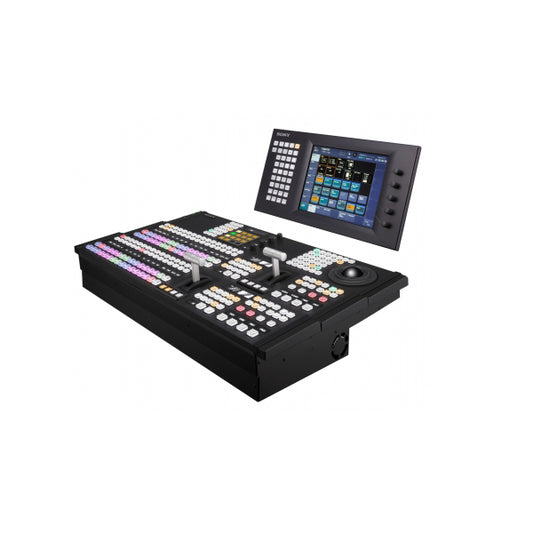
As the official UAE distributor for ARRI and Sony, we provide more than just equipment. Our decades of experience in broadcast system integration and our expert technical service center ensure your fixtures remain calibrated and production-ready for years. Whether you're building a permanent studio grid or a mobile cinema kit, having a dedicated technical partner is essential for maintaining global industry standards.
We're here to support your journey toward visual excellence. Elevate your storytelling with the precision and dependability that high-end production demands.
Frequently Asked Questions
What are the three most essential cinematic lighting techniques for beginners?
The three-point lighting setup is the most fundamental framework for any beginner to master. It consists of a key light, fill light, and backlight to create dimension. Rembrandt lighting is another staple, known for its iconic triangle of light on the subject's cheek. Finally, motivated lighting ensures every source has a logical origin within the scene. These cinematic lighting techniques provide a reliable technical foundation for any professional production.
Why do professional cinematographers prefer LED lighting over traditional tungsten?
Professionals increasingly choose LED systems for their electrical efficiency and advanced color control. High-end fixtures like the ARRI SkyPanel X use RGBACL technology to match digital sensors with surgical precision. Unlike traditional tungsten sources, LEDs generate minimal heat and offer native wireless DMX integration for rapid adjustments. While tungsten maintains a continuous spectrum, the logistical advantages of modern LED ecosystems make them the preferred choice for high-stakes broadcast and cinema environments across the country.
What is the difference between hard light and soft light in cinematography?
The primary difference lies in the transition between light and shadow. Hard light creates sharp, defined shadows and emphasizes texture, often achieved with small point sources or Fresnel fixtures. Soft light produces gentle, wrapping shadows that are more flattering for skin tones. This quality is determined by the physical size of the light source relative to the subject. Using large diffusers or softboxes increases the effective emitter area to achieve this naturalistic, professional look.
How much professional lighting equipment do I need for a basic interview setup?
A standard professional interview typically requires a three-point lighting kit. This includes a high-output key light with a large softbox, a smaller fill light or reflector to manage contrast, and a dedicated backlight for subject separation. You also need heavy-duty C-stands, sandbags, and flags to control light spill. Investing in a complete production kit from a reliable brand ensures color consistency and technical reliability throughout the duration of any high-stakes shoot.
What is motivated lighting and why is it important for narrative film?
Motivated lighting is the practice of mimicking the light sources that would naturally exist in a scene's environment. If a character is sitting near a window or a desk lamp, the cinematic lighting techniques used must match that source's direction, color, and quality. This is critical for narrative film because it maintains visual logic and prevents the audience from being distracted by artificial lighting. This technique creates an organic, immersive experience that feels authentic.
Can I achieve cinematic lighting with just one light source?
You can certainly achieve a cinematic look with a single light source by utilizing advanced shaping tools. A single point source can create a dramatic Rembrandt look or high-contrast Chiaroscuro aesthetic. By using reflectors for fill and flags for negative fill, you can manipulate one fixture to perform the roles of multiple lights. This approach requires a deep understanding of light shaping and the use of professional grip equipment to control shadow density effectively.
How do I maintain color consistency when using different brands of lighting gear?
Maintaining consistency across different brands requires checking the Spectral Similarity Index (SSI) and TLCI ratings of each fixture. Professionals often rely on regular calibration to ensure that older units match newer ones in the same grid. Our technical service center provides specialized maintenance to keep diverse lighting inventories within factory specifications. Using high-end ecosystems like ARRI or Sony also helps, as these brands are designed to maintain color accuracy across their entire product range.
What is the role of a Gaffer versus a Cinematographer in lighting a set?
The Cinematographer, or Director of Photography, defines the overall visual style and lighting plan for a production. The Gaffer acts as the head of the lighting department, responsible for executing that vision through technical implementation. This includes managing power distribution, selecting specific fixtures, and overseeing the lighting crew. While the DP focuses on the artistic frame, the Gaffer ensures the lighting is rigged safely and functions correctly within the studio’s technical infrastructure and system integration.


