

Broadcast System Integration in Dubai: A Comprehensive Guide to Modern Media Infrastructure
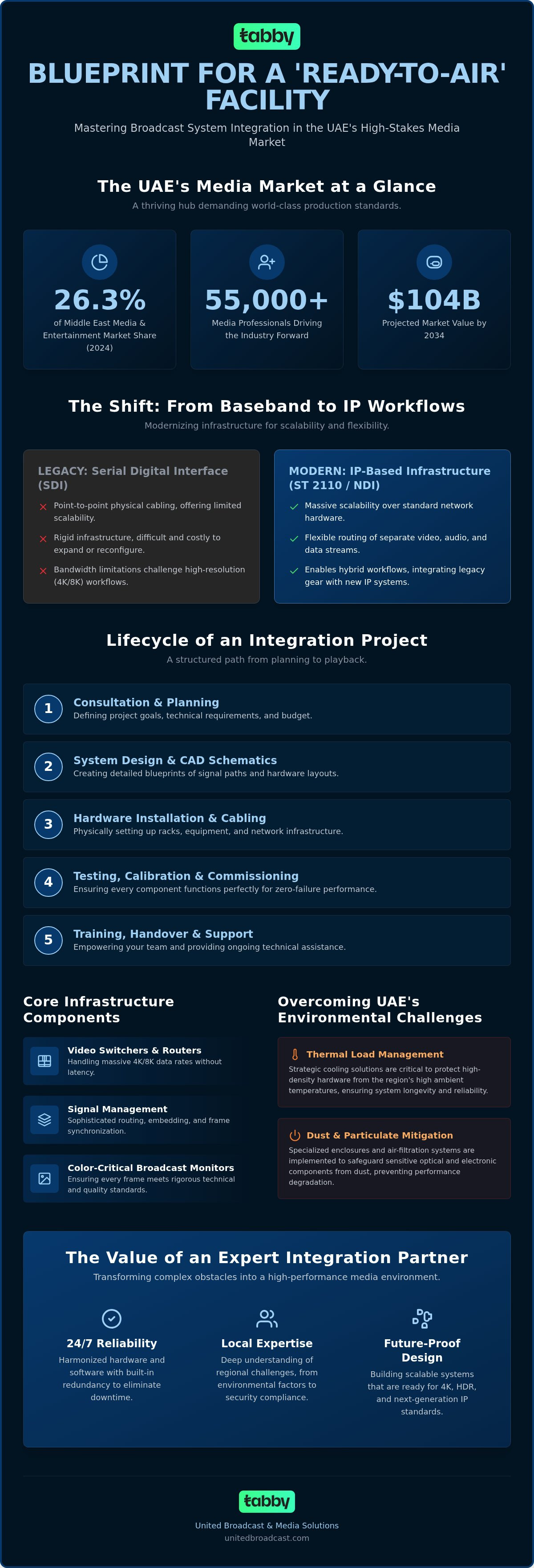
Did you know the UAE held 26.3% of the Middle East's media and entertainment market share in 2024? With over 10,000 media companies and 55,000 professionals calling this region home, the demand for world-class production standards has never been higher. As you look to upgrade your facility, the challenge of broadcast system integration Dubai becomes more than just a technical task; it's a strategic necessity to stay ahead of a market projected to exceed $104 billion by 2034.
You probably agree that managing the transition from legacy SDI to modern IP-based infrastructure is daunting, especially when hardware longevity is threatened by the Middle East's unique environmental factors. It's frustrating to deal with interoperability issues that stall your workflow or risk downtime during critical upgrades. This guide promises to show you how professional system integration transforms these complex obstacles into a seamless, high-performance media environment. We'll preview the latest 4K and HDR standards, explore SIRA-compliant security requirements for 2026, and explain how expert local support ensures your studio remains scalable and truly Ready-to-Air.
Key Takeaways
- Learn how the harmonization of hardware and software ensures 24/7 operational reliability for modern media facilities.
- Discover how to unify high-end digital cinema cameras and robust signal management tools through expert broadcast system integration Dubai.
- Gain insights into the lifecycle of an integration project, including the critical role of CAD schematics in defining complex signal paths.
- Identify effective strategies for managing thermal loads and dust mitigation to ensure the longevity of high-density hardware in the UAE.
- Understand the strategic advantage of partnering with a provider that offers a seamless transition from equipment procurement to technical installation.
Defining Broadcast System Integration for Modern Media Environments
System integration is the technical harmonization of hardware, software, and networking into a single, cohesive ecosystem. It's the bridge between raw equipment and a functional studio. In a high-stakes market like the UAE, broadcast system integration Dubai serves as the backbone for facilities that can't afford a single second of downtime. It's about creating a "Ready-to-Air" environment where every component, from professional video cameras to complex routers, is pre-configured and tested for zero-failure performance. This level of precision is critical for 24/7 reliability, ensuring that live signals remain stable under any operational pressure.
A skilled integrator does more than just install gear. They maximize the return on investment for high-end cinema and broadcast tools. By ensuring that optics and sensors are perfectly calibrated with the rest of the signal chain, they prevent bottlenecks that often degrade image quality or complicate post-production. Modern integration moves beyond simple cabling; it involves building an intelligent architecture that supports the entire media lifecycle from acquisition to archive.
The Evolution from Baseband to IP Workflows
The industry is moving away from traditional Serial Digital Interface (SDI) toward flexible, IP-based infrastructures. Modern broadcast system integration Dubai projects now prioritize SMPTE ST 2110 standards, which treat video, audio, and metadata as separate streams over a network. This shift allows for massive scalability. Many facilities adopt Network Device Interface (NDI) for its ease of use in live studio setups. Hybrid workflows are particularly effective for organizations that want to modernize their infrastructure gradually. These systems allow legacy baseband equipment to coexist with new IP-ready hardware, providing a manageable path toward total digital transformation. For those looking to launch a new media business to take advantage of these technologies, it is wise to explore Company Formation and Licensing Services to ensure a smooth start in the UAE market.
Why National Media Houses Require Specialized Integration
National media houses in the UAE manage vast distribution networks that demand absolute signal integrity. Redundancy is the primary defense against broadcast blackouts. A professional integrator builds multi-layered fail-safes into the system architecture to ensure continuous operation. This includes standardizing workflows for multi-camera productions through broadcast automation, which reduces human error and streamlines daily tasks. These systems are designed to handle 4K and HDR delivery, meeting the rigorous standards expected by a digital-first audience. By standardizing these complex workflows, media houses can maintain consistent quality across different platforms and regional distribution points.
The Core Components of High-Performance Broadcast Infrastructure
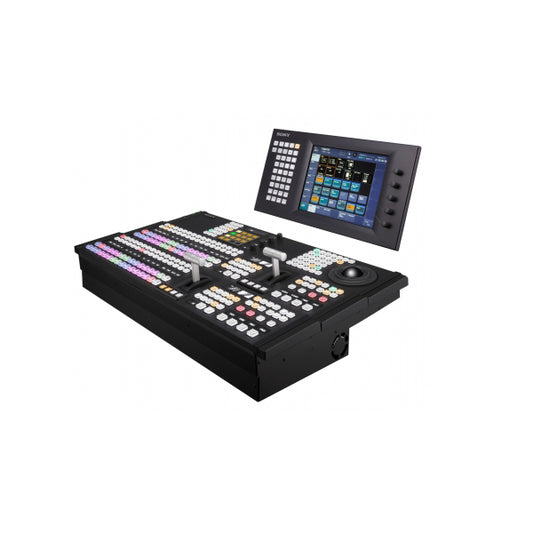
Achieving a high-performance broadcast environment requires a meticulous selection of components that function as a single, unified engine. Within the scope of broadcast system integration Dubai, this selection process focuses on hardware that meets the rigorous demands of 24/7 live transmission. Central to this infrastructure are robust video switchers and routers capable of handling massive 4K and 8K data rates without latency. To maintain professional standards, facilities must employ high-performance broadcast monitors for color-critical work. These tools allow engineers to verify that every frame adheres to technical benchmarks similar to those found in FCC broadcast television regulations, ensuring global interoperability and viewer satisfaction.
Signal management is the connective tissue of the studio. It involves more than just moving video from point A to point B; it requires a sophisticated routing architecture that supports embedding, de-embedding, and frame synchronization. When these components are properly integrated, the result is a resilient system that can handle the unpredictable nature of live media. If you are planning a facility upgrade, consulting with an integration specialist can ensure these components work in harmony.
Camera Systems and Optical Integration
The integration of acquisition tools has evolved significantly. We now see a massive demand for blending the shallow depth of field found in digital cinema with the real-time control of traditional broadcast. Integrating professional video cameras into a centralized studio control system is a complex task that relies on high-speed fiber connectivity and sophisticated Remote Control Panels (RCPs). These panels enable engineers to perform multi-camera shading, ensuring that color temperatures and exposure levels remain uniform across every angle, even when using disparate lens types. Matching high-end cinema optics with broadcast sensors allows for a premium aesthetic that distinguishes top-tier productions.
Studio Lighting and Power Management
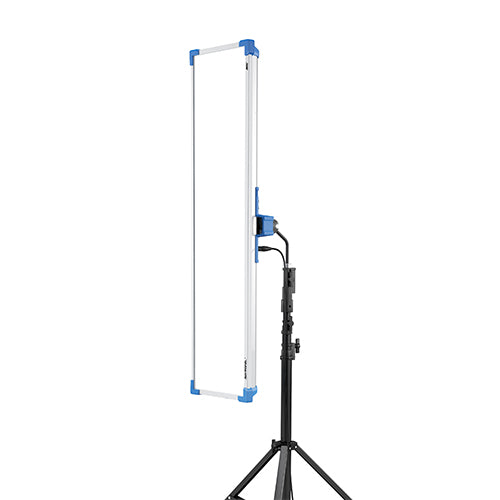
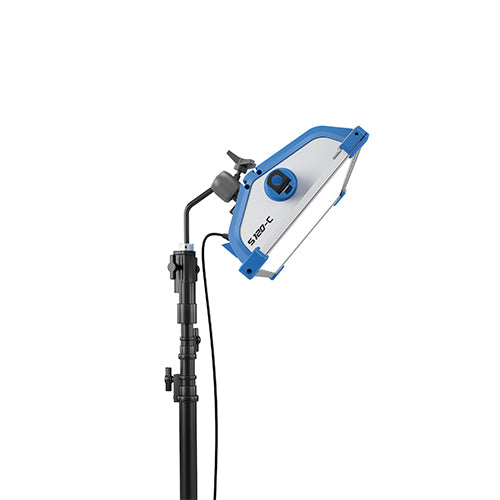
Lighting is no longer an isolated utility; it's a core system component in professional broadcast system integration Dubai projects. Modern lighting designs focus on energy efficiency and thermal management to prevent hardware degradation in high-density equipment racks. Utilizing ARRI lighting ensures that skin tones are rendered with absolute fidelity, which is a non-negotiable requirement for high-end studio productions. By incorporating automated lighting control systems, media houses can execute rapid set changes with minimal manual intervention, significantly increasing the daily throughput of the studio while maintaining a consistent visual brand.
The Lifecycle of a Media Integration Project: Planning to Playback
A successful media project begins long before the first cable is laid. In the context of broadcast system integration Dubai, the journey starts with a deep-dive consultation to define the technical mission. This initial phase involves identifying specific operational goals, from live news production to high-end cinematic content. We translate these requirements into a comprehensive roadmap that aligns hardware capabilities with creative ambitions. It's about ensuring that every piece of gear, from digital cinema cameras to lighting grids, serves a specific purpose within the broader workflow, preventing costly overlaps or technical gaps.
Strategic Design and Workflow Mapping
Design is where the technical vision takes physical shape. We create detailed CAD schematics for signal paths, alongside precise cable schedules and rack elevation drawings. This level of planning is vital for future-proofing systems against evolving 4K, 8K, and HDR standards. By integrating specialized kits like the ARRI Omnibar Production Kit, we can streamline sets and reduce physical clutter, allowing for more efficient movement within the studio. This phase ensures that the infrastructure doesn't just meet today's needs but is ready for the technological shifts of 2026 and beyond.
Once the design is finalized, we move to procurement and staging. Every component is sourced and tested in a controlled environment before it reaches the site. This minimizes downtime and ensures that all hardware and software are compatible. On-site installation follows a strict timeline, where technical teams execute the CAD-defined signal paths with precision. This methodical approach is what separates a professional broadcast system integration Dubai project from a basic hardware installation.
Commissioning and Technical Handover
The final stage involves rigorous commissioning to ensure the system is truly "Ready-to-Air." We perform extensive stress-testing on network infrastructure and signal integrity. This process aligns with international standards for Integrated Broadcast-Broadband systems, ensuring that the facility can handle hybrid distribution models. User acceptance testing (UAT) allows your team to verify that the workflow is efficient and intuitive. Finally, we provide comprehensive system documentation and staff training, empowering your internal maintenance teams to manage the environment with confidence.
Overcoming Technical and Environmental Challenges in UAE Broadcast Systems
The UAE’s climate poses significant risks to high-end media infrastructure. In a professional broadcast system integration Dubai project, managing thermal loads is a top priority. High-density equipment racks generate intense heat that leads to hardware failure if not properly mitigated. Designing efficient HVAC airflow for equipment rooms ensures that cool air reaches every component, while redundant cooling systems protect 24/7 operations from environmental spikes. Modern integrators use remote telemetry to monitor system health in real-time, allowing engineers to address temperature fluctuations before they cause downtime. This proactive approach is essential for maintaining the "Ready-to-Air" standard expected in professional environments.
Thermal Management and Rack Integration
Effective rack integration requires more than just physical placement. It involves a strategic understanding of thermodynamics within a confined space. We prioritize airflow management by utilizing blanking panels and structured cabling to prevent hot spots. Redundancy isn't just for signal paths; it's for the environment itself. If a primary cooling unit fails, secondary systems must activate immediately to prevent catastrophic hardware damage. Monitoring these variables through centralized telemetry provides a layer of security that traditional setups lack, ensuring that your investment remains operational despite the external heat.
Optical Maintenance in Regional Climates
Dust and humidity are equally challenging for optical equipment. Fine desert sand can penetrate even robust seals, while humidity-induced fungus can ruin expensive glass. Protecting cinema lenses requires a controlled environment and regular professional servicing. For more detailed insights on maintaining your glass, see our guide on cinema lens repair Dubai. Best practices for sensor cleaning are also vital, as even a single dust particle can compromise a 4K or 8K production. Regular maintenance schedules are a non-negotiable part of any integrated workflow in this region.
Beyond the physical environment, compliance with national regulations is essential for legal operation. This includes adhering to updated radio spectrum frameworks set by the Telecommunications and Digital Government Regulatory Authority (TDRA) as of July 2026. For facilities incorporating security systems, following the SIRA updates for CCTV resolution and cybersecurity is mandatory, particularly regarding Resolution No. 13 of 2026. Finally, addressing the regional "talent gap" is a critical part of the integration lifecycle. Comprehensive technical training ensures your staff can operate complex IP-based workflows with precision, maximizing the utility of your investment and reducing technical friction in daily operations.
United Broadcast & Media Solutions: Your Strategic Partner for Integration
United Broadcast & Media Solutions (UBMS) has spent nearly three decades as a pillar of the regional media industry. Since 1997, we've focused on bridging the gap between high-end hardware procurement and complex technical execution. This long-standing presence allows us to provide a level of broadcast system integration Dubai that few can match. By combining our role as an authorized distributor for global leaders like Sony and ARRI with our in-house engineering expertise, we offer a "one-stop-shop" advantage. You don't just buy the gear; you gain a partner that understands how every component must communicate within your specific environment. For media companies also planning a physical relocation of their studio or office, Choose and Move provides specialized international moving services to ensure a seamless transition.
Our dedicated in-house service center is the foundation of our reliability. We understand that in live broadcast, downtime isn't just an inconvenience; it's a financial and reputational risk. By providing local warranty support and maintaining a deep inventory of spare parts, we ensure that repairs happen quickly without the need for international shipping delays. Regular maintenance contracts further protect your investment, ensuring that your infrastructure remains peak-performing throughout its lifecycle. To stay updated on the latest technology trends for the coming year, you can explore our Advanced Broadcast Studio Gear UAE guide.
Tailored Solutions for Every Production Scale
Every production has unique requirements, and our team excels at scaling solutions to meet those specific needs. We manage projects ranging from boutique content hubs to full-scale national television stations with the same methodical precision. Our specialized expertise in OB van system integration allows for mobile broadcast units that maintain signal integrity in the most demanding field conditions. We also design customized solutions for cinema production houses, ensuring that high-end optics and sensors are perfectly integrated into their specific post-production workflows.
For corporate and web-based broadcasters, we integrate systems centered around Sony Alpha cameras and lenses. This delivers cinema-grade visuals for professional streaming and digital content without the complexity of a full broadcast rack. Our goal is to provide a scalable, future-proof environment that grows alongside your production ambitions, backed by the technical infrastructure to support it for years to come.
Future-Proofing Your Media Infrastructure with Expert Integration
Modern media demands more than just high-end gear; it requires a unified ecosystem that handles the transition to IP workflows while withstanding unique regional environmental challenges. Successful broadcast system integration Dubai projects rely on a methodical approach to design and a deep understanding of evolving 2026 technical standards. By harmonizing digital cinema optics with resilient signal distribution, you create a facility that is truly Ready-to-Air. This strategic alignment reduces technical friction and ensures your daily operations remain seamless and scalable.
Partnering with a veteran industry pillar ensures you have access to national UAE technical support and a dedicated, authorized ARRI and Sony service center for rapid repairs. With over 25 years of industry leadership, we provide the stability and expertise needed to transform your production vision into a high-performance, future-proof environment. We're ready to help you navigate these complex technical shifts with confidence and precision, ensuring your investment delivers value for years to come.
We look forward to supporting your long-term success and logistical excellence in the regional media landscape.
Frequently Asked Questions
What is the difference between a broadcast integrator and a general AV company?
A broadcast integrator focuses on mission-critical uptime and complex signal distribution, while general AV companies typically handle corporate meeting rooms or display installations. In broadcast system integration Dubai, we prioritize low-latency workflows and high-bandwidth networking required for live television. This includes managing SMPTE standards and digital cinema acquisition tools that general AV firms rarely encounter. Our specialized knowledge ensures your infrastructure handles professional broadcast loads without the risk of signal failure during live transmission.
How long does a typical broadcast studio integration project take in the UAE?
A typical integration project ranges from 12 to 24 weeks depending on the facility's complexity. The lifecycle begins with a detailed consultation and CAD design phase, followed by equipment procurement and off-site staging. On-site installation and cabling usually take several weeks, followed by rigorous commissioning and user acceptance testing. We follow a methodical progression to ensure every component is tested and "Ready-to-Air" before the final technical handover occurs at your facility.
Can you integrate existing legacy SDI gear into a new IP-based workflow?
Yes, you can integrate legacy SDI gear into modern IP-based workflows using hybrid gateways and signal converters. These bridge solutions allow organizations to protect their existing hardware investments while gradually transitioning to SMPTE ST 2110 or NDI standards. This hybrid approach is a core part of broadcast system integration Dubai, providing a scalable path for modernization. It allows for a phased upgrade that minimizes downtime and spreads the capital expenditure over a longer period.
Do you provide training for our staff after the system is installed?
We provide comprehensive technical training for your operators and maintenance staff as a standard part of the commissioning process. This ensures your team is fully proficient with the new hardware, software, and automated workflows. Training covers everything from basic camera shading to complex network routing and troubleshooting. By empowering your internal team, we reduce technical friction in daily operations and ensure you maximize the functional utility of your high-tier media infrastructure.
What are the most important environmental factors for UAE broadcast systems?
Thermal management and dust mitigation are the most critical factors for hardware longevity in the UAE. High-density equipment racks generate significant heat, requiring redundant cooling and intelligent HVAC airflow designs to prevent failure. Fine desert dust can also damage sensitive cinema lenses and camera sensors. We implement proactive maintenance strategies and remote telemetry monitoring to track system health, ensuring your sensitive electronics remain protected from the region's harsh outdoor conditions.
Is it better to build a 4K-ready studio now or upgrade later?
Building a 4K-ready studio now is the most cost-effective strategy for future-proofing your facility. The shift toward 4K and HDR delivery is already standard for professional broadcast facilities in 2026. Designing for these high bandwidths from the start prevents a costly "rip-and-replace" upgrade later. A 4K-ready infrastructure ensures your studio can handle modern content diversification and meet the rigorous quality standards expected by both local and global audiences.
How does UBMS handle equipment repairs for integrated systems?
UBMS operates a dedicated in-house service center that is authorized by global leaders like Sony and ARRI. This facility provides rapid repairs and technical support for all components within your integrated system. Because we maintain a local inventory of genuine spare parts, we can significantly reduce downtime compared to shipping gear overseas. Our team handles both hardware repairs and software updates, ensuring your entire ecosystem remains operational and peak-performing throughout its lifecycle.
Do you offer system integration for mobile broadcast units and OB vans?
We offer specialized system integration for mobile broadcast units and OB vans designed to handle the rigors of field production. These projects require a unique focus on vibration resistance, weight distribution, and high-speed fiber connectivity. Our engineering team designs these units to maintain absolute signal integrity while operating in the UAE's demanding outdoor environments. Whether it's a boutique van or a full-scale mobile station, we provide a seamless, high-performance environment for live remote broadcasting.


