

Upgrading a Studio from HD to 4K: A Practical Migration Guide
A 4K camera won’t make a studio 4K-ready. The real challenge in upgrading a studio from HD to 4K is ensuring every part of the signal chain can carry, process, record, and display the formats your workflow requires. A legacy router, switcher, recorder, monitor, graphics path, or storage setup can become a bottleneck, but that doesn’t mean every component needs replacing.
Reliable 4K output doesn’t require an automatic wholesale rebuild. Start by documenting the formats you need and checking existing equipment against them. This guide explains how to assess the workflow, identify compatibility gaps, and prioritize upgrades in stages. It also compares 12G-SDI and IP-based approaches, and outlines how system integration can help plan, configure, and validate changes across the studio. The aim is to preserve useful equipment while finding bottlenecks before they affect production.
Key Takeaways
- Define resolution, frame rate, bit depth, chroma sampling, and HDR requirements before selecting equipment.
- When upgrading a studio from HD to 4K, map the complete signal path and verify each device’s supported formats, connections, and bandwidth.
- Compare full replacement, phased migration, and hybrid operation against compatibility, complexity, scalability, and potential downtime.
- Plan the work in stages, from requirements and equipment audit through installation, testing, and staff training.
- Set acceptance tests for picture format, colour, audio sync, recording, routing, and delivery before bringing the upgraded workflow into service.
Why upgrading a studio from HD to 4K starts with the whole workflow
A studio is 4K-capable only when it can acquire, process, monitor, record, and deliver the intended format throughout the production path. A camera that outputs a 4K image is only the first step. If a switcher or recorder cannot accept that signal, or the monitoring and delivery path remains HD, the workflow may still be limited to HD.
An end-to-end 4K signal chain is a connected workflow in which every device can carry and handle the selected picture format from acquisition through final delivery. Use that as the basis for planning. It keeps the upgrade focused on what the studio needs to produce, rather than on a camera specification alone.
What changes when a studio moves beyond HD?
First, confirm whether the requirement is UHD or DCI 4K. UHD commonly refers to 3840 × 2160, while DCI 4K is 4096 × 2160. This distinction can affect framing, equipment support, and delivery specifications. See this overview of 4K resolution standards, then check the required format against the studio’s intended outputs.
Resolution is only one production decision. Frame rate determines how motion is captured and handled. Bit depth affects tonal information, chroma sampling describes how colour data is represented, and HDR introduces a separate dynamic-range workflow. These choices influence camera configuration, processing, monitoring, recording, storage, and delivery. A resolution upgrade doesn’t automatically require HDR or higher frame rates, so specify those needs separately before selecting equipment.
Which studio workflows benefit most from 4K?
For live production, check the complete path from cameras through routing and switching to monitoring and transmission. Recorded programming also needs compatible recording and storage capacity. Interviews may benefit from 4K acquisition when reframing flexibility is useful, but that benefit depends on editing, delivery, and available processing capacity. Post-production workflows need displays and systems that can review and manipulate the selected format reliably.
Start with the delivery specification, including resolution, frame rate, colour requirements, and platform constraints. A studio delivering HD may have different priorities from one producing 4K masters or promotional media for console game publishers like Ocean Media. Match camera selection to those requirements rather than assuming every 4K device supports the same formats. For camera selection fundamentals, see the professional video camera guide.
Audit cameras, routing, recording, and monitoring before buying 4K gear
Before upgrading a studio from HD to 4K, document the signal path from each camera output to the final display or delivery point. Include switchers, routers, converters, recorders, cabling, monitoring, and network links. A device may accept a 4K signal but fail to pass the required frame rate, colour format, or bit depth. Check the complete signal format, not resolution alone.
Make the audit actionable with a compatibility matrix. For each component, record its role, supported formats, connection types, bandwidth limits, and the manufacturer documentation used to verify those details. Then assign a decision:
- Retain: confirmed to meet the planned workflow.
- Test: specifications appear suitable, but performance needs validation in the actual signal path.
- Replace: cannot support a required format or connection.
- Verify: documentation or compatibility is unclear.
Apply the same review to recording codecs, storage throughput, network capacity, and backup procedures. Higher-resolution recordings can increase data demands. Confirm that storage can sustain the intended recording and playback workload, and that backups cover the files and workflow the studio relies on. If a specification is unclear, record it as an open question rather than treating it as confirmed compatibility.
How to assess cameras, lenses, and acquisition requirements
For each camera, check recorded formats, output formats, frame rates, and available connections against the production brief. Assess existing lenses for compatibility with the intended sensor size and image requirements, including framing and focus needs. Don’t assume a lens remains suitable simply because it can physically mount to a camera. Compare verified specifications before deciding what to retain or change. Review the professional video camera range when considering acquisition options.
Where routing, monitoring, and storage can become bottlenecks
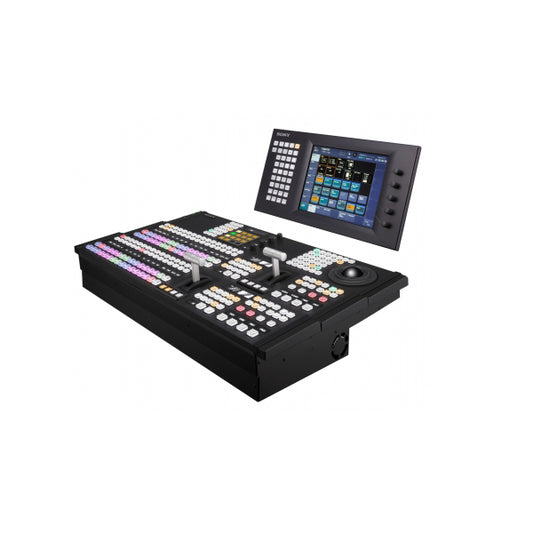
Check that switchers, routers, converters, and cabling support the selected formats at the required bandwidth. Confirm that displays can show the target resolution and support any planned colour-management workflow. Don’t rely on input labels alone. Standards references, including SMPTE standards, can help frame the technical review, but confirm device-level support against current manufacturer documentation.
If the audit reveals gaps, a system integration review can help align equipment choices with the full signal path. Discuss your studio requirements if you need support assessing a system upgrade.
Compare 4K studio upgrade paths without replacing everything at once
The right approach depends on the formats you need to produce, the equipment that already supports them, and how much operational change the studio can manage. Full replacement can create a consistent new signal path, while phased or hybrid plans can preserve compatible equipment. Compare the options based on more than procurement: consider integration effort, staff workflows, future expansion, and potential downtime.
| Approach | Compatibility and complexity | Scalability and downtime exposure |
|---|---|---|
| Full replacement | Can align components around a defined format, but requires broad system planning and changeover. | Can support a unified design for future needs. Installation may create a concentrated period of disruption. |
| Phased migration | Replaces components in priority order. Requires careful checks at each connection between new and retained equipment. | Allows expansion in stages. Downtime can be managed around individual changes, though each phase needs testing. |
| Hybrid HD/4K operation | Runs both formats, sometimes using conversion or parallel paths. Routing and format identification need clear procedures. | Can support gradual transition, but complexity may persist while both workflows are active. |
Temporary conversion or parallel workflows may be needed when some sources or destinations remain HD while others operate in 4K. Define where conversion occurs, which format is used at each stage, and how operators will identify each path. Grass Valley discusses practical 4K migration strategies, including staged approaches that separate production format from delivery format. Keep budget planning specific to the project, based on verified requirements, compatibility findings, and intended scope.
When a phased HD-to-4K transition makes sense
A phased approach can make sense when the audit identifies particular components that block required formats or constrain the workflow. Prioritize those components, then retain equipment that passes compatibility and performance tests. While both formats are in use, label signal paths and routing clearly, document operating procedures, and test handoffs. These steps help staff distinguish HD and 4K signals without ambiguity.
When to consider a broader system redesign
A broader redesign may be appropriate when legacy infrastructure limits required formats across several workflow stages, or when reliability, expansion plans, support needs, and operating requirements point to a more unified system. Compare lifecycle implications, not just individual device specifications. A broadcast studio gear guide can help frame equipment requirements, while system integration can align selection and configuration with the intended signal path.
For a compatibility-led discussion of studio requirements, contact the team about system integration.

Plan the HD-to-4K migration in stages and validate every signal path
A controlled migration turns the compatibility audit into a workable sequence. For upgrading a studio from HD to 4K, assign an owner to each stage and record decisions so technical changes and operational sign-off stay aligned.
- Document requirements. Define target formats, frame rates, recording and delivery needs, priority productions, and any HD workflows that must continue.
- Audit equipment. Use the compatibility matrix to confirm which components can be retained, need testing, or require replacement.
- Design the workflow. Map signal paths, connections, format conversions, storage and network dependencies, and operating procedures.
- Procure equipment. Select gear against verified system requirements, checking compatibility across connected devices rather than in isolation.
- Install and configure. Schedule changes around production needs, document settings, and keep a rollback plan for critical workflows.
- Test and commission. Run representative signal paths and record results against agreed acceptance criteria before production use.
- Train and sign off. Prepare operators, resolve outstanding questions, and obtain operational approval before cutover.
Build a migration plan that protects production continuity
Name owners for design, procurement, configuration, testing, and operational approval. Map dependencies, then test priority workflows before moving live or time-critical productions. Schedule cutover to fit the production calendar and define how to restore the previous workflow if a critical issue appears. Keep connection maps, system settings, test results, and known limitations together so they are available for troubleshooting.
Validate every signal path before production use. One untested connection can undermine an otherwise compatible workflow.
Commission the system and prepare operators
Acceptance tests should reflect the studio’s actual requirements. Confirm resolution and frame rate from source through monitoring and delivery. Check colour handling, audio sync, recording integrity, routing, and playback. Test each priority path, including relevant format conversions, and record both the expected and observed results. If a test fails, identify the responsible stage and retest after corrective action.
Train operators on format selection, routing, monitoring, and agreed failure-response procedures. Document unresolved compatibility questions and confirm them with the relevant equipment specialists before sign-off. A system integration partner can assist with planning, configuration, and validation of a studio migration.
End-to-end 4K studio upgrades with system integration
Equipment selection is more reliable when it follows a documented system design. A system integration partner can help translate production requirements into a proposed signal chain, identify compatibility questions, and plan equipment configuration and testing. This allows camera, routing, recording, monitoring, and delivery decisions to be assessed as parts of one workflow rather than as separate purchases.
For a studio upgrading from HD to 4K, professional camera and broadcast gear sourcing should align with the formats, connections, and operating needs established during the audit. Choose equipment against verified system requirements, not simply because an item is labelled 4K. Before work begins, confirm the integration scope, equipment selection, project responsibilities, and ongoing support arrangements.
What to expect from a broadcast system integration partner
Ask for clear project documentation before approving a design. It should explain the proposed signal flow, the compatibility checks performed, and how the system will be commissioned. Confirm which responsibilities are included, such as coordinating installation, configuring equipment, carrying out acceptance tests, and handing operating documentation over to staff. Agree how unresolved issues will be handled and who will confirm specifications with manufacturers.
Discuss technical support expectations directly. If equipment servicing may be required, ask what service-center capabilities apply to the equipment and project. United Broadcast & Media Solutions provides system integration services and service-center support for professional equipment. Confirm the relevant scope for your studio requirements.
Turn the upgrade audit into a clear next step
Prepare current equipment models, signal-flow diagrams, production formats, and delivery requirements for the initial discussion. Include the compatibility matrix and note which findings are confirmed, which components need testing, and which specifications still require manufacturer verification. This gives the technical team a practical starting point and helps separate firm requirements from open decisions.
Agree on design deliverables, procurement responsibilities, commissioning tests, and operator handover before implementation. A documented scope keeps equipment choices connected to the full workflow and clarifies what the integration project will cover. United Broadcast & Media Solutions supplies professional video cameras and broadcast studio gear, with system integration services to support studio planning and implementation.
Move forward with a 4K plan built around your workflow
Successful upgrading a studio from HD to 4K starts with the complete signal chain, not a camera purchase in isolation. Audit existing equipment against the formats your productions need, then decide what to retain, test, or replace. A phased or hybrid migration can preserve compatible gear, while clear acceptance tests help confirm each path before production use.
For complex requirements, system integration can connect equipment selection with a documented design, configuration, and validation plan. United Broadcast & Media Solutions supplies professional video cameras and broadcast studio equipment, provides broadcast system integration services, and offers dedicated service-center repairs and technical support. Confirm the scope that fits your project and equipment.
With a compatibility-led plan and well-defined tests, your studio can progress toward 4K while making informed use of existing equipment. Contact United Broadcast & Media Solutions to discuss your studio upgrade and system integration requirements.
Frequently Asked Questions
What equipment needs upgrading when moving a studio from HD to 4K?
Review every component that handles the picture, not only the cameras. Check cameras, switchers, routers, converters, cabling, recorders, monitors, storage, network capacity, and the systems used for post-production and delivery. Whether a component needs replacement depends on the required resolution, frame rate, connections, bandwidth, and signal format. Verify each device’s current specifications, then test equipment whose documentation doesn’t clearly confirm compatibility.
Can an HD studio use some of its existing equipment for 4K?
Yes, compatible equipment may remain in service if its specifications and performance suit the intended workflow. Check each device against the required signal format, connectors, bandwidth, and frame rate. Existing lenses also need assessment for compatibility with the camera’s sensor and image requirements. Mark equipment to retain, test, replace, or verify, then validate retained components in the actual signal path before relying on them for production.
How do I upgrade a studio from HD to 4K step by step?
Start by documenting delivery formats, production needs, and workflows that must continue. Audit existing equipment, then design signal paths and identify compatibility gaps. Procure equipment against verified system requirements, install and configure it in stages, and test representative workflows before cutover. Schedule changes around production needs, define a rollback plan for critical operations, and train staff on formats, routing, monitoring, and response procedures before operational sign-off.
Do I need to replace my broadcast switcher for 4K?
Not necessarily. First confirm that the switcher supports the specific resolution, frame rate, signal format, connections, and bandwidth required by your production. Check both inputs and outputs, along with any processing or conversion needed in the workflow. Manufacturer documentation provides a starting point, but testing with connected cameras, routers, recorders, and displays helps confirm that the switcher works as intended in the complete signal path.
What is the biggest challenge when upgrading a studio from HD to 4K?
The main challenge is coordinating compatibility across the entire signal chain. A camera may output 4K while a router, switcher, recorder, monitor, or delivery path constrains the workflow. Requirements such as frame rate, colour handling, recording, storage, and delivery also need to align. A documented equipment audit helps reveal these dependencies early, so the upgrade addresses actual bottlenecks instead of replacing equipment that can still serve the workflow.
Should a studio upgrade to 4K all at once or in phases?
The choice depends on compatibility findings, operational requirements, and how the studio can manage change. Full replacement may suit a workflow that needs a coordinated redesign, while phased migration can prioritize components that block required formats and retain equipment that passes testing. Hybrid HD and 4K operation can support coexistence, but it requires clear routing and format procedures. Compare complexity, scalability, and downtime exposure before choosing an approach.
How do you test a studio after a 4K upgrade?
Test complete, representative workflows from camera input through routing, switching, monitoring, recording, and delivery. Confirm the intended resolution and frame rate, check colour handling and audio sync, and verify that recording and playback behave as required. Test each priority route, including any format conversion, and document expected and observed results. Resolve failures and repeat the relevant tests before production use, then obtain operational sign-off and train staff.


