

Professional Studio Lighting Kits: A 2026 Buying Guide for Broadcasters and Filmmakers
A single flicker on a high-speed broadcast or a subtle color shift between fixtures can compromise an entire production's integrity. It's a reality many professionals face when their equipment fails to meet the rigorous demands of modern cinema and television standards. Finding reliable studio lighting kits requires more than just looking at wattage. It demands a deep understanding of color science, electrical stability, and the specific needs of a 2026 production environment.
You already know that inconsistent color reproduction and missing mounting accessories can turn a smooth shoot into a logistical nightmare. This guide provides the technical roadmap you need to select professional equipment that ensures broadcast-quality results and long-term reliability. We will explore the latest standards for CRI and TLCI ratings, flicker-free performance at high frame rates, and the specific configurations that protect your investment through seamless workflow integration. By the end of this article, you will have the expertise to build a lighting setup that meets the most demanding global standards.
Key Takeaways
- Understand the critical technical differences between consumer-grade panels and professional broadcast fixtures to ensure color accuracy and reduce post-production time.
- Learn to evaluate technical specifications like CRI and TLCI to maintain visual consistency across all high-end video production workflows.
- Identify the ideal configurations for professional studio lighting kits, ranging from foundational three-point setups to high-output cinema arrays.
- Determine how to achieve flicker-free performance when shooting at high frame rates with professional digital cinema cameras.
- Recognize the long-term value of professional system integration and sourcing from authorized partners to protect your equipment investment.
Beyond the Basics: Why Professional Studio Lighting Kits Matter
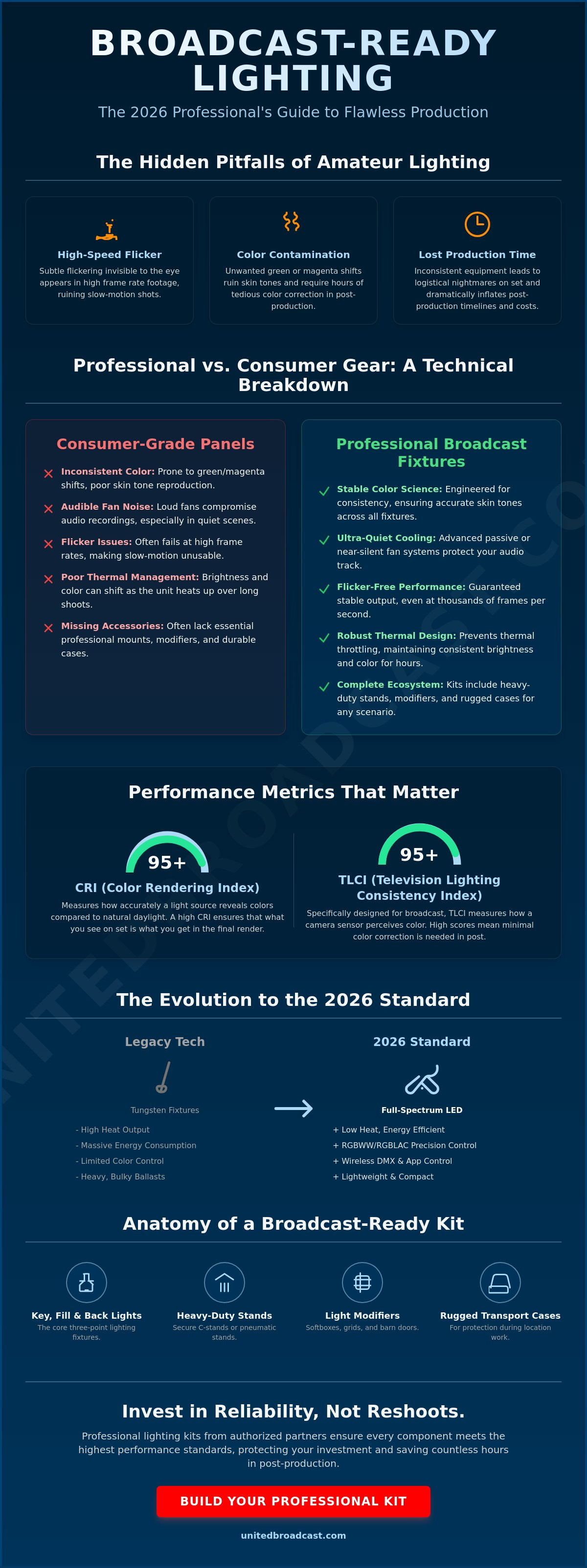
High-end production requires more than just raw brightness. While entry-level LED panels might look impressive on a spec sheet, they often fail to maintain color stability over long shoots. Professional studio lighting kits are engineered to solve the hidden problems that ruin broadcasts: green or magenta color shifts, audible fan noise, and subtle flickering that only appears in the edit suite. Investing in professional-grade gear isn't just about the hardware; it's about reclaiming hours lost in post-production color grading.
A unified kit approach ensures that every fixture in your studio shares the same color DNA. When you mix and match individual fixtures from different manufacturers, you risk inconsistent skin tones that are nearly impossible to fix. Professional kits also prioritize thermal management. High-output LEDs generate significant heat, and professional housings use passive cooling or ultra-quiet fans to prevent thermal throttling without compromising your audio track. This level of reliability is what separates a makeshift set from a broadcast-ready environment.
The Evolution of Studio Lighting in 2026
The industry has moved decisively past traditional tungsten fixtures. By 2026, LED technology dominates due to its energy efficiency and sophisticated control. Modern setups now feature full-spectrum RGBWW or RGBLAC color engines, allowing cinematographers to match any ambient light source with surgical precision. Wireless DMX integration has also become a standard requirement. This allows lighting directors to adjust entire arrays from a tablet, eliminating the need for ladder-climbing or messy cable runs in the middle of a shoot. These advancements reduce the carbon footprint of a studio while providing creative flexibility that was impossible a decade ago.
Kit Components: What Should Be Included?
A complete professional kit is a curated ecosystem. It should provide enough versatility to execute a standard three-point lighting setup, which remains the foundation for interviews and corporate presentations. This typically includes a high-output key light, a softer fill light, and a dedicated back or rim light to create depth. Beyond the fixtures themselves, a broadcast-ready kit must include:
- Heavy-duty C-stands or pneumatic light stands for secure mounting.
- Professional modifiers like softboxes, honeycombs, and barn doors to shape the beam.
- Rugged, weather-resistant transport cases for location work.
- High-grade power solutions and DMX cabling that won't fail under heavy use.
Selecting standardized studio lighting kits ensures that all components, from the ballast to the mounting pins, are designed to work together without friction. For those building out a new space, exploring a dedicated collection of professional lighting equipment is the most efficient way to ensure every piece of gear meets the same high-tier performance standards.
Key Components of a High-Performance Studio Lighting Kit
A professional lighting solution is more than a simple assembly of lamps. It's a synchronized system where each component is chosen to complement the specific sensitivity of a modern camera sensor. High-performance studio lighting kits integrate high-output fixtures with specialized modifiers to control every aspect of the visual frame. This holistic approach ensures that you aren't just adding brightness, but actively shaping the narrative of your scene through precise light placement and texture.
The durability of modifiers determines the long-term ROI of your equipment. Softboxes, honeycomb grids, and barn doors must be constructed from heat-resistant materials that won't warp or discolor under high-intensity use. Lower-quality modifiers often develop a yellow tint after repeated exposure to heat, which shifts the color temperature and ruins your white balance. Professional-grade modifiers use high-density fabrics and robust metal frames to ensure they maintain their optical properties through years of heavy production schedules.
Fixture Types: COB LEDs and Soft Panels
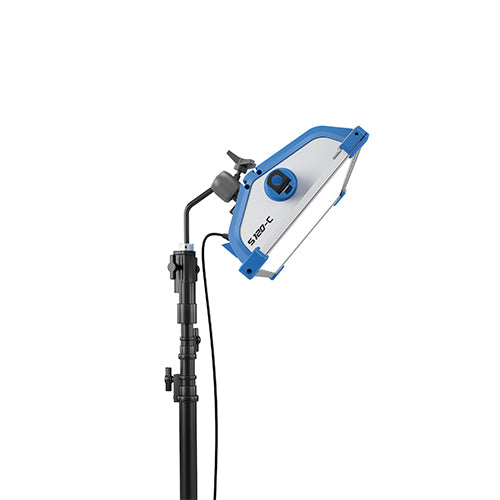
Choosing between Chip on Board (COB) LEDs and soft panels depends on your desired visual texture and studio footprint. COB LEDs act as a single point source. They provide the "hard" light required for high-contrast cinematic looks and sharp, defined shadows. When paired with Fresnel lenses, these fixtures allow for surgical beam control, mimicking traditional studio spotlights with modern LED efficiency. Conversely, soft panels are the workhorses of broadcast news and corporate interviews. They offer uniform, flattering illumination that wraps around a subject's face, effectively minimizing skin imperfections. Many modern workflows rely on hybrid studio lighting kits that combine both technologies. This versatility allows a crew to transition from a high-key news segment to a moody, dramatic cinematic shot without swapping their entire inventory.
Grip and Support Essentials
Professional safety is as critical as light quality. Light stands are often overlooked, yet they are the backbone of studio reliability. C-stands and heavy-duty booms are non-negotiable for supporting large modifiers and heavy COB fixtures safely. Unlike consumer-grade tripods, professional grip equipment is designed to withstand the rigors of 12-hour production days. Air-cushioned stands are preferred for equipment longevity; they prevent fixtures from crashing down if a lock is accidentally released. In a professional studio environment, sandbags and safety cables are mandatory. They protect both your talent and your high-tier professional lighting equipment from accidental damage. If you're designing a new space and need to ensure your infrastructure can handle these loads, our team can help you consult on technical configurations tailored to your facility.
Evaluating Specs: CRI, TLCI, and Power Delivery for Broadcast
Professional studio lighting kits are defined by their technical precision, not just their raw lumen count. While consumer-grade guides often focus on the Color Rendering Index (CRI), this metric was originally designed for the human eye and doesn't accurately reflect how a digital sensor sees light. For broadcast and cinema, the Television Lighting Consistency Index (TLCI) is the essential benchmark. A TLCI rating of 95 or higher ensures that colors will appear natural on screen without requiring extensive post-production correction. If your light source lacks this spectral accuracy, you'll spend more time fixing skin tones in the edit than you did on the actual shoot.
Flicker-free performance is another critical requirement for high-end productions. As digital cinema cameras move toward higher frame rates for slow-motion sequences, the pulse-width modulation of lower-quality LEDs can cause visible banding or strobing. Professional kits use high-frequency dimming circuits to maintain a steady light output even at 120fps or higher. This level of stability is a core reason why broadcasters invest in high-tier lighting solutions rather than budget alternatives. Reliability isn't just about the hardware surviving; it's about the image surviving the technical demands of the sensor.
Power delivery also dictates your workflow's flexibility. Most professional fixtures offer dual-mode power options, allowing for AC mains operation in the studio and V-mount or Gold-mount battery compatibility for location work. This versatility is vital for filmmakers who need to maintain a consistent look when moving between a controlled set and an exterior environment. Choosing studio lighting kits that support standardized battery plates ensures that your power ecosystem remains streamlined across your entire camera and lighting inventory.
Color Accuracy Metrics That Actually Matter
Beyond TLCI, the industry is increasingly adopting the Spectral Similarity Index (SSI). While TLCI compares light to a standard broadcast camera, SSI measures how closely a light source matches a specific reference spectrum, such as daylight or tungsten. This is vital for matching different fixtures within a single setup. Lower-quality lighting often suffers from a green or magenta tint shift. This occurs when the light spectrum has gaps or peaks that the camera's sensor can't interpret correctly. Using fixtures with high SSI ratings prevents these shifts, ensuring that skin tones remain consistent across various camera angles.
Thermal Management and Silent Operation
Maintaining color consistency over a 12-hour production day requires sophisticated thermal management. As LED chips heat up, their spectral output can drift, leading to subtle color changes over time. Professional fixtures use active cooling systems with ultra-quiet fans or advanced heat-sink designs for passive cooling. In small, acoustic-sensitive interview spaces, fanless designs are preferred to eliminate any background hum that could interfere with sensitive microphones. Balancing fixture longevity with the need for silent operation is a hallmark of professional engineering. If you are building a professional space, sourcing from a dedicated lighting supplier ensures that your gear meets these silent operation standards.
Selecting the Right Configuration for Your Production Workflow
Selecting the right configuration for your production workflow is a decision that impacts every stage of the creative process. A "one-size-fits-all" approach doesn't work because the requirements for a static corporate interview differ vastly from those of a fast-paced field reporting environment. When building your inventory, standardized studio lighting kits provide a level of consistency that prevents the common pitfall of brand mixing. Mixing fixtures from different manufacturers often introduces subtle color spikes that are impossible to neutralize, leading to inconsistent skin tones across your multicam edits.
For Electronic News Gathering (ENG) and field reporting, portability and rapid deployment are the primary technical criteria. These kits must be rugged enough to withstand frequent transport while offering dual power options for location versatility. It's vital that field gear remains lightweight without sacrificing the build quality needed for unpredictable outdoor environments. Conversely, digital cinema production kits focus on high-output fixtures that can maintain exposure when shooting through heavy diffusion or on large-scale sets. These setups often require specialized mounting solutions that aren't found in basic consumer packages.
Interview and Corporate Video Setups
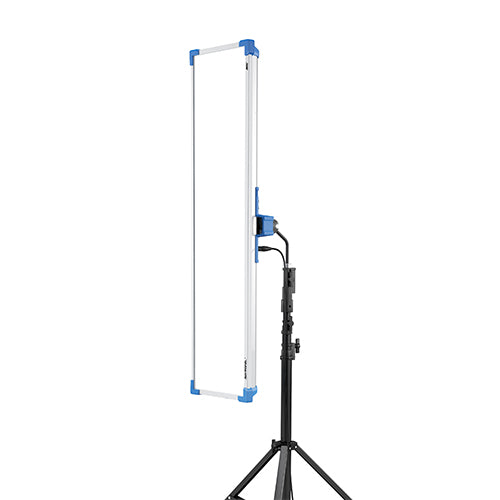
In corporate environments, speed and visual flattery are essential. Most executive interviews and internal communications favor soft, wrapping light that minimizes shadows and skin imperfections. For these high-stakes productions, the ARRI Omnibar Production Kit offers a premium solution that balances output with portability. Using a matched set of fixtures ensures that your key, fill, and backlighting maintain a uniform color temperature, even when you have limited time for setup and calibration. This consistency is what allows a solo operator to achieve high-end results without a large crew.
Large-Scale Studio and Broadcast Infrastructure
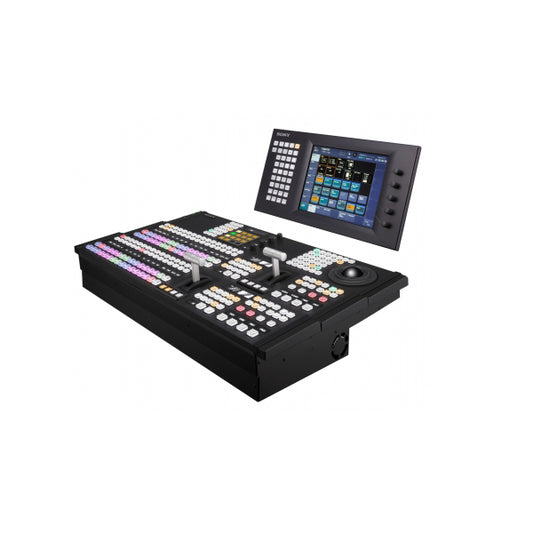
Permanent broadcast facilities require a different level of integration. Scaling your lighting for live television necessitates networked DMX control, allowing operators to adjust entire arrays from a central console. Integrating ARRI Lighting solutions into your infrastructure provides the industry-standard performance required for 24/7 operations. Whether you're planning for an overhead grid mounting system to maximize floor space or utilizing floor-based stand setups for modularity, the stability of your power and control signals is paramount. Professional studio lighting kits designed for broadcast environments ensure that every fixture responds instantly to control commands. If you're unsure which configuration best suits your facility's specific layout, you can speak with our technical team for a customized assessment.
Investing in Reliability: The UBMS Professional Lighting Advantage
Professional production environments operate under tight deadlines where equipment failure isn't an option. Sourcing studio lighting kits from a dedicated broadcast supplier ensures that every fixture is genuine and meets the rigorous performance standards discussed throughout this guide. Beyond the initial purchase, the true value of a technical partner lies in their ability to provide comprehensive system integration. This ensures that your lighting infrastructure works in perfect harmony with your professional video cameras and studio control systems, creating a unified workflow that minimizes technical friction on set.
The technical specifications of 2026 require a deeper level of hardware synergy than ever before. When your lighting and camera sensors are calibrated as a single ecosystem, you eliminate the color science discrepancies that often plague lower-tier setups. A professional integrator understands the nuances of power distribution and signal control, preventing the electrical interference that can compromise high-bitrate recording. This expertise is vital for maintaining the integrity of your signal chain, from the moment light hits the sensor to the final broadcast output.
The Long-Term Value of Professional Support
A reliable studio is built on the foundation of expert maintenance and technical foresight. Our dedicated service center protects your investment by providing specialized repair and calibration services that consumer retailers simply can't offer. Local warranty support is essential for mission-critical gear; it ensures that if a component fails, you have access to immediate technical assistance rather than waiting for international shipping. Our support services focus on:
- Precision calibration to maintain color consistency across multiple fixtures.
- Preventative maintenance to extend the operational life of high-output LEDs.
- Rapid diagnostic services to minimize studio downtime.
Consulting with industry experts allows you to tailor your gear selection to meet specific national broadcast requirements. This personalized approach ensures your facility remains compliant with local regulations while maximizing the functional life of your equipment.
Next Steps for Your Studio Upgrade
Upgrading your facility begins with a thorough evaluation of your existing inventory. Identify which components meet current color accuracy standards and where your workflow faces bottlenecks. If you're ready to transition to a more reliable setup, we invite you to browse our curated range of professional lighting equipment. For those planning a full facility build-out or a significant studio refresh, requesting a custom system integration consultation is the most effective way to ensure your new studio lighting kits are deployed for maximum efficiency. Our team of specialists is available to help you design a technical environment that prioritizes both creative flexibility and long-term operational stability.
Elevate Your Production Standards for 2026
Professional lighting is the backbone of high-end visual storytelling. Selecting the right studio lighting kits involves more than just comparing raw output; it requires a focus on spectral consistency, thermal stability, and seamless workflow integration. By prioritizing metrics like TLCI 95+ and flicker-free performance, you ensure your footage meets the rigorous demands of modern cinema and broadcast sensors.
As an authorized distributor for ARRI and other Tier-1 brands, United Broadcast & Media Solutions provides the technical infrastructure to support your creative vision. We offer specialized system integration for broadcast studios and maintain a dedicated national service center to ensure your gear remains in peak condition. Whether you're upgrading a single set or building a complete facility, our team is ready to provide the logistical and technical excellence your projects deserve.
Consult with our experts today to design a lighting solution tailored to your facility. We look forward to helping you build a more reliable and color-accurate production environment.
Frequently Asked Questions
What is the difference between CRI and TLCI in studio lighting kits?
CRI (Color Rendering Index) measures how light sources reveal colors to the human eye, whereas TLCI (Television Lighting Consistency Index) specifically evaluates how a camera sensor interprets those colors. For professional studio lighting kits, TLCI is the more critical metric because it accounts for the spectral sensitivity of digital sensors. A TLCI rating of 95 or higher ensures that skin tones and textures appear natural on screen without extensive post-production correction.
Do I need a 3-point lighting kit for every production?
Three-point lighting is a foundational technique that provides depth and separation for interviews and corporate video, but it isn't mandatory for every creative scenario. While it serves as a reliable starting point, cinematic productions often use more complex or minimalist configurations to achieve a specific mood. The setup should always be dictated by your narrative goals and the physical constraints of your set.
Is LED lighting better than tungsten for professional studios in 2026?
LED technology has effectively surpassed tungsten for nearly all professional applications due to its energy efficiency, low heat output, and sophisticated control. Modern LEDs offer full-spectrum color engine capabilities and don't require the heavy power infrastructure or high-capacity cooling systems that tungsten fixtures demand. This shift reduces operational costs and makes the studio environment significantly more comfortable for talent and crew.
Can I use V-mount batteries to power high-output LED kits on location?
Most modern professional LED fixtures feature dual-power capability, allowing for AC mains operation in the studio and V-mount battery compatibility for location work. This versatility is essential for maintaining a consistent visual style when moving between controlled environments and exterior sets. It's important to verify that your V-mount batteries can handle the continuous wattage draw of your specific high-output fixtures.
Why is flicker-free performance important for cinema cameras?
Flicker-free performance prevents visible banding or strobing artifacts when shooting at high frame rates or using narrow shutter angles. Professional studio lighting kits utilize high-frequency dimming circuits to maintain a stable output that remains synchronized with the camera's sensor. Without this stability, high-speed footage can be ruined by light pulses that are invisible to the naked eye but obvious to a digital sensor.
What are the essential modifiers I should look for in a lighting kit?
A versatile kit should include softboxes for flattering, diffused light and barn doors for precise spill control. Honeycomb grids are also essential for directional beam shaping, while Fresnel lenses are necessary for those using COB LEDs to achieve a classic hard-light look. These modifiers provide the control needed to shape the light's texture and spread according to the needs of each scene.
How do I match lighting color temperatures when using different brands?
Matching fixtures from different manufacturers is best achieved by checking their Spectral Similarity Index (SSI) ratings or using a color meter to identify subtle shifts. If inconsistencies occur, you can use corrective gels or the green/magenta tint adjustment settings found on high-end RGBWW fixtures. Standardizing your inventory with matched kits from a single supplier is the most effective way to ensure uniform color across all camera angles.
Are wireless DMX controls necessary for a small studio setup?
Wireless DMX is not strictly mandatory for small studios, but it greatly increases workflow efficiency by allowing remote adjustments of intensity and color. In a compact space where lights are often mounted in hard-to-reach positions, the ability to control an entire array from a tablet saves significant time. This eliminates the need for physical access to each fixture during a shoot, allowing for faster iterations between takes.


