

How to Choose a Cinema Camera: The Professional 2026 Buying Guide
The most expensive flagship sensor in your kit might actually be the biggest bottleneck in your 2026 production workflow. It's a common frustration for professionals; you invest heavily in a high-end system only to find that the hidden costs of media, power, and post-production efficiency eat your margins. Understanding how to choose cinema camera technology today requires looking beyond basic resolution specs to evaluate how a body integrates into a global delivery standard. You need a tool that doesn't just capture beautiful images but also survives the rigorous demands of modern sets and evolving software requirements.
We've designed this guide to help you master the technical and practical criteria for selecting a system that aligns with your specific production standards. You'll gain a clear framework for comparing industry leaders like ARRI and Sony while accounting for the total cost of ownership, including lenses and storage. From checking Netflix-approved status for models like the Canon EOS C50 to ensuring compatibility with the latest updates in DaVinci Resolve 21.0.1, we'll provide the clarity needed to make a confident, long-term technical investment.
Key Takeaways
- Define your production tier to prioritize color science and specific aesthetic requirements over generic technical specifications.
- Understand why dynamic range and Large Format sensor standards provide greater creative latitude than high megapixel counts in professional environments.
- Learn how to choose cinema camera systems based on build quality and thermal management to ensure reliability in challenging filming conditions.
- Evaluate the impact of lens mount versatility and internal codecs on your post-production efficiency and storage requirements.
- Factor in the total cost of ownership by calculating the price of a ready to shoot kit and the necessity of regional technical support.
Defining Your Production Tiers and Creative Requirements
Selecting a camera is a strategic business decision that dictates your technical ceiling and operational overhead. Professionals often ask how to choose cinema camera bodies that won't require a total overhaul within twenty four months. The answer lies in categorizing your primary output. While a high resolution might look impressive on a spec sheet, the specific color science and highlight roll-off of a sensor often carry more weight in high-end productions than a raw pixel count.
The technical evolution of Digital Cinematography has shifted the focus from merely capturing an image to managing a complex data pipeline. Your choice of equipment acts as a signal to clients about your production standards. Carrying a flagship system isn't just about the image; it's about meeting the rigorous metadata and reliability expectations of global distributors. If you are bidding for Netflix-original work, your camera must meet specific photosite capture width requirements. This makes the selection process less about personal preference and more about technical compliance.
Narrative vs. Commercial vs. Broadcast Needs
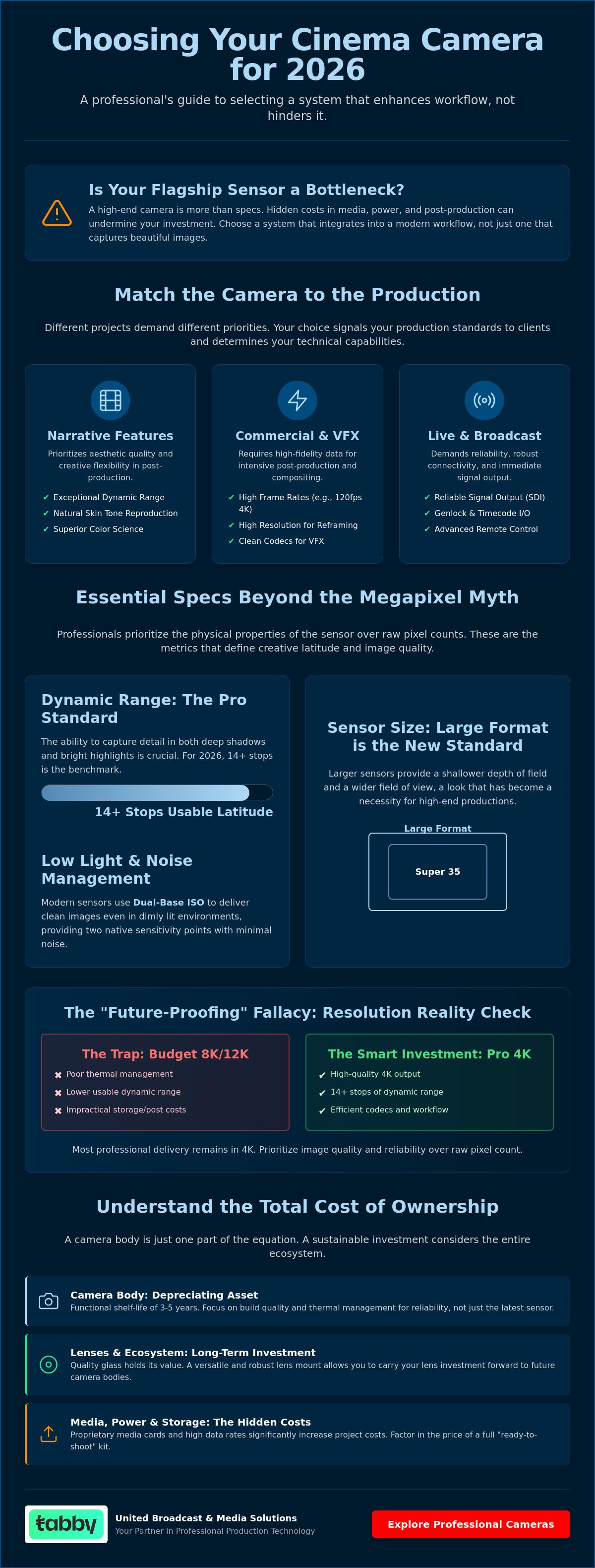
Narrative features demand exceptional dynamic range and natural skin tone reproduction. These productions rely on the sensor's ability to hold detail in deep shadows and bright highlights simultaneously. Commercial workflows often prioritize high frame rates, such as 120fps at 4K, and massive resolution to facilitate clean VFX compositing. If your work leans toward live events or multi-cam setups, you should consider a Cinema Camera vs Broadcast Camera comparison to understand the trade-offs in connectivity and remote control. Narrative work values the "look," while broadcast demands immediate, reliable signal output.
The "Future-Proofing" Fallacy
Many buyers get trapped chasing 8K or 12K resolutions, but most professional delivery remains firmly in 4K. Investing in a sensor with high-quality 4K output and 14+ stops of dynamic range is usually more sustainable than buying a budget 8K body with poor thermal management. When browsing Professional Video Cameras, look at the sensor size. Full Frame, or Large Format, has become the standard for high-end work, offering a distinct depth of field that Super 35 cannot easily replicate.
Most digital cinema bodies have a functional shelf-life of three to five years. You should prioritize a system with a robust lens mount that allows you to carry your glass forward even as bodies iterate. While Super 35 remains a viable and historically rich format, the industry move toward Large Format sensors is undeniable. This shift impacts your lens inventory significantly. A camera body is a depreciating asset, but your cinema glass and support systems are the foundations of your ROI. Focus on the ecosystem stability rather than just the latest firmware release.
Essential Sensor Specifications: Beyond the Megapixel Myth
While consumer marketing focuses heavily on resolution, professional cinematographers prioritize the physical properties of the sensor. When researching how to choose cinema camera systems, you must evaluate the relationship between pixel pitch and noise floor rather than just the total megapixel count. A sensor with fewer, larger pixels, such as the 10.2MP sensor in the Sony FX6, often delivers superior low-light performance and cleaner shadows compared to high-density sensors. Dynamic Range is the ratio between the brightest and darkest recordable parts of an image. For professional delivery in 2026, a usable latitude of at least 14 stops is the industry benchmark for high-contrast environments.
Large Format (LF) sensors have transitioned from a luxury to a professional necessity. This shift is driven by the desire for a shallower depth of field and a wider field of view without the distortion associated with shorter focal lengths. Modern sensors also utilize Dual-Base ISO technology to manage noise. By providing two distinct analog amplification circuits, cameras can maintain a high signal-to-noise ratio even in low-light scenarios. This technical flexibility allows operators to shoot in dimly lit interiors without sacrificing the integrity of the image. For a deeper look at specific models that excel in these areas, you can explore the best cinema cameras of 2026 to see how different brands implement these sensor technologies.
Color Science and Bit Depth
The ability to manipulate an image in post-production is dictated by bit depth. You should avoid 8-bit internal recording for any project requiring significant color grading. A 10-bit 4:2:2 file provides 1,024 levels of luminosity per channel, which prevents "banding" in gradients like skies or skin tones. Proprietary color science, such as Sony S-Cinetone or ARRI REVEAL, defines how the camera interprets data before it reaches your NLE. Additionally, sensor readout speeds are critical; a fast readout reduces rolling shutter artifacts, ensuring that fast-moving objects don't appear slanted or distorted during whip pans.
Resolution and Delivery Standards
Resolution is a tool for flexibility rather than just a final delivery target. While 4K is the standard for most broadcast and streaming platforms, 8K sensors allow for "oversampling." This process captures a higher density of data to produce a significantly sharper 4K output with reduced noise. High-resolution sensors also provide the ability to crop or stabilize footage in post-production without dropping below UHD standards. If you are looking for a compact entry point into these high-resolution ecosystems, the Sony Alpha Cameras line offers robust video features that bridge the gap between mirrorless and cinema workflows. If you need assistance matching these specifications to your specific project needs, our technical team can provide a tailored consultation on current sensor capabilities.
Ergonomics, Connectivity, and Environmental Resilience
The physical design of a camera determines its utility in the field just as much as its internal processing. Professional bodies utilize magnesium alloy for a specific reason; it provides a rigid, durable chassis that also acts as a primary heat sink. Polycarbonate bodies, while lighter and common in hybrid systems, often lack the structural integrity required for heavy cinema lenses and don't dissipate heat effectively during long recording sessions. When evaluating how to choose cinema camera hardware, you must consider the reliability of the internal thermal management. Active cooling systems with dedicated heat pipes and fans are essential to prevent thermal shutdown when shooting in high-ambient temperatures.
Connectivity is a non-negotiable pillar of professional production. Locking SDI ports are the industry standard for reliable signal transmission to monitors and wireless transmitters, as HDMI connectors are too fragile for the rigors of a professional set. You also require dedicated XLR inputs for high-quality audio capture and Timecode I/O for precise synchronization in multi-camera environments. These features distinguish a dedicated cinema tool from a consumer-grade camera, ensuring that your workflow remains efficient from the first take through to the final edit.
Form Factor and Rigging
The choice between a modular box camera and a traditional shoulder-mount design depends on your primary shooting style. Box cameras offer maximum versatility, allowing you to strip the system down for gimbal work or build it up for studio configurations. Conversely, shoulder-mount designs provide immediate ergonomic balance for handheld documentary work. Standardized 1/4-20 and 3/8-16 mounting points are critical for attaching the Essential Cinema Camera Accessories UAE professionals rely on to stabilize and power their rigs.
Reliability in National Climates
Operating in the Middle East presents unique environmental challenges. Fine sand and extreme heat can lead to sensor degradation or sudden electronic failure if the body isn't properly sealed. Professional-grade weather sealing is mandatory for anyone filming outdoor sequences across the UAE. You should also consult our specific guide on Protecting Cinema Cameras from Humidity and Dust to understand the maintenance required for long-term reliability. Internal ND filters are another vital feature for regional work; they allow you to manage exposure instantly under harsh, direct sunlight without the logistical delay of swapping external glass filters in a matte box.
Lens Mounts and Post-Production Workflow Efficiency
Your choice of lens mount dictates the longevity of your optics inventory and the technical flexibility of your camera system. While the PL-mount remains the undisputed standard for narrative cinema, mirrorless mounts like Sony's E-mount have gained significant traction in professional environments. These shorter flange distances allow for greater versatility, enabling you to adapt vintage glass or utilize modern, electronically integrated lenses. When evaluating how to choose cinema camera systems, consider the metadata your mount can capture. High-end systems now record per-frame lens data, including focal length and aperture, which is vital for efficient VFX compositing and automated post-production workflows.
Internal codecs are the second pillar of workflow efficiency. You must balance the absolute quality of uncompressed data against the practicalities of storage and offloading speeds. Apple ProRes has become the industry workhorse for its balance of high fidelity and manageable file sizes. Conversely, formats like Cinema RAW Light or XAVC offer proprietary advantages for specific brand ecosystems. Media costs can vary wildly; you should calculate the price-per-GB of CFexpress Type B cards against proprietary media like RED Mini-Mags or Sony's specialized cards. In a high-bitrate 2026 production environment, these media costs can quickly rival the price of the camera body itself.
The Lens Ecosystem
Your camera body must align with your existing lens investment to maximize ROI. If you're invested in the Sony ecosystem, a body with a native E-mount ensures full autofocus and iris control with lenses like the Sony FE 100-400mm F/4.5-5.6 GM OSS. This electronic communication is not just for convenience; it provides the lens distortion maps that modern post-production software uses to correct images automatically. Choosing a body that can't "talk" to your lenses adds significant manual labor to your post-production pipeline.
Post-Production Integration
Efficient turnaround times in broadcast and commercial work rely on proxy recording workflows. Professional cinema cameras should be capable of recording low-bitrate proxies simultaneously with high-resolution master files. This allows editors to begin working immediately while the massive RAW or ProRes files are still offloading. On-set monitoring accuracy is equally important; your camera must support custom 3D LUTs so the director and client can see a finished look rather than a flat log image. To ensure your data moves as fast as your production, look for interfaces like USB-C 4.0 or Thunderbolt. If you're building a comprehensive rig from scratch, ARRI Production Kits offer the standardized mounting and power solutions required for high-stakes environments. If you need assistance configuring a complete production ecosystem, contact our technical specialists for a professional consultation.
Total Cost of Ownership and Professional Support
The sticker price of a camera body is rarely the final investment required for a professional deployment. When you evaluate how to choose cinema camera systems, you must calculate the "ready-to-shoot" price. This figure includes high-speed media, professional power solutions like V-mount or Gold-mount batteries, and the essential caging required for rigging. In many cases, these accessories can account for an additional 40% to 60% of the initial body cost. For a localized breakdown of these capital expenditures, consult our reference on Professional Camera Price in Dubai to better understand the regional market dynamics.
Analyzing the long-term ROI is equally critical. Premium brands like ARRI and Sony typically command higher resale values compared to budget alternatives, making them a more stable technical investment over a three to five year cycle. A camera that maintains its value allows for easier upgrades when the next generation of sensor technology arrives. Beyond the hardware, your investment is protected by the stability of the ecosystem you choose. This includes the availability of authorized service centers that can handle technical failures without the delays associated with international shipping.
The Importance of Authorized Service
Uptime is the most valuable asset on any professional set. Sensor calibration and professional cleaning are essential maintenance tasks that ensure color consistency across multiple units. Purchasing gray-market equipment often leaves professionals without local warranty support, which can result in weeks of downtime during a critical production. The UBMS service center provides specialized repairs and maintenance for national professionals, ensuring that your gear meets global standards for performance and reliability. Regular servicing extends the operational longevity of your equipment and prevents the degradation of delicate electronic components in challenging climates.
System Integration and Lighting
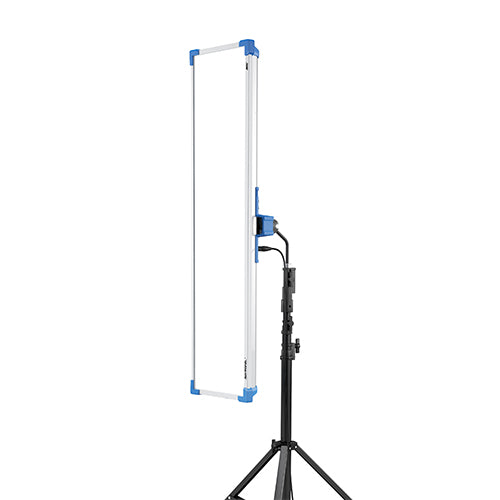
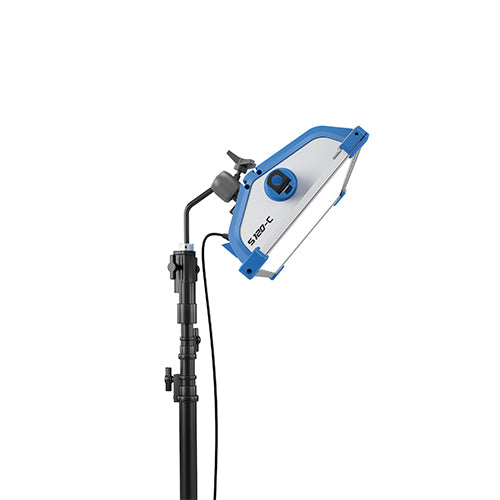
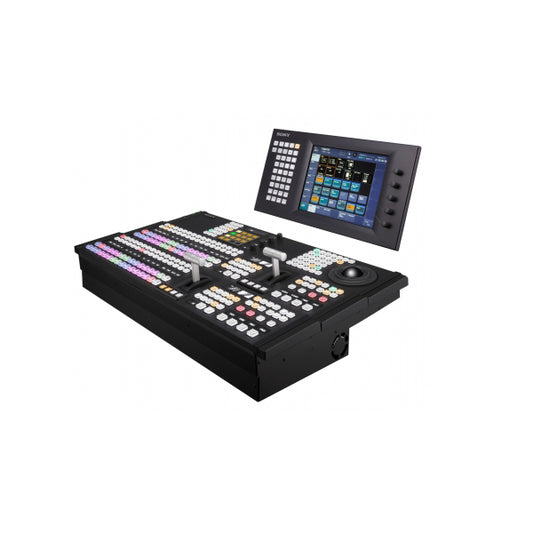
A cinema camera does not operate in isolation; it's a node within a larger technical infrastructure. Your camera choice must integrate seamlessly with professional lighting protocols and studio environments. For example, high-end sensors require precise color rendering from sources like the ARRI Lighting Collections to achieve the intended "look" without heavy post-production correction. In broadcast studio environments, specialized system integration is required to sync camera signals with existing switchers and gallery hardware. Choosing a system that follows industry-standard connectivity ensures that your production remains scalable as your studio requirements evolve. If you're planning a full studio build or looking to upgrade your current fleet, our team provides comprehensive support to ensure all components of your production ecosystem function as a unified solution.
Securing Your Long-Term Technical Investment
Selecting a professional system is a commitment to a specific technical ecosystem. You've learned that understanding how to choose cinema camera technology involves balancing raw sensor performance with practicalities like thermal management and post-production efficiency. A camera isn't just a sensor; it's a node in a workflow that requires reliable connectivity, robust codecs, and an awareness of the total cost of ownership. Beyond the specifications, your success depends on the infrastructure supporting your gear in the field.
As an authorized distributor for ARRI, Sony, and Panasonic, UBMS provides more than just hardware. We offer a dedicated UAE-based service and repair center alongside expert system integration for both broadcast and cinema environments. Our technical team is ready to ensure your equipment remains a high-performing asset for years to come. We're here to help you navigate the complexities of modern acquisition and delivery standards with confidence.
We look forward to supporting your next production with the precision and dependability your work demands.
Frequently Asked Questions
Is 8K resolution necessary for professional cinema production in 2026?
No, 8K resolution isn't a requirement for most professional delivery standards. While 4K is the baseline for streaming platforms like Netflix, 8K serves as a creative tool for oversampling or reframing shots in post-production. It provides a sharper 4K image and allows for stabilization without losing detail. However, the increased data rates and storage costs often outweigh the benefits for standard narrative or commercial workflows.
What is the difference between a cinema camera and a high-end mirrorless camera?
Dedicated cinema cameras differ from high-end mirrorless models through their thermal management and professional connectivity. Cinema bodies include active cooling fans and internal ND filters, which are essential for long shoot days. They also feature locking SDI ports and XLR audio inputs. Mirrorless cameras are excellent for portability, but they lack the integrated I/O and reliability needed for high-stakes professional sets.
How much should I budget for cinema camera accessories?
You should budget between 40% and 60% of the camera body's cost for essential accessories. This covers professional media, V-mount power systems, and a protective cage or rigging. When you research how to choose cinema camera systems, it's vital to remember that the body is only one part of a ready to shoot kit. Neglecting high-quality support gear can compromise the performance of your primary sensor.
Which lens mount is most common for professional cinema cameras?
The PL-mount remains the most common and robust standard for professional cinema optics. It provides a secure, flange-less connection that can support heavy cinema glass without shifting during focus pulls. While mirrorless mounts like the E-mount are versatile for hybrid shooters, PL-mount lenses are the industry standard for narrative and high-end commercial work due to their optical precision and mechanical reliability.
Can I use a cinema camera for live broadcast and streaming?
Yes, cinema cameras are increasingly used in live broadcast and streaming environments to achieve a shallow depth of field. To do this effectively, the camera must support system integration through SDI or fiber connectivity. This allows for remote control of iris and color shading from a gallery. Modern broadcast studio gear often incorporates cinema sensors to bridge the gap between cinematic aesthetics and live production efficiency.
How do I protect my cinema camera from overheating in hot climates?
To protect your equipment in hot climates, prioritize cameras with robust active cooling systems and magnesium alloy chassis. Avoid leaving the camera in direct sunlight for extended periods; use sunshades or white towels to reflect heat. Regular maintenance at an authorized service center is also necessary to ensure that internal fans and heat sinks remain free of fine dust and sand common in regional environments.
What are the benefits of shooting in RAW vs. compressed codecs?
Shooting in RAW provides the highest level of image data, allowing for extensive white balance and exposure adjustments in post-production. It's the preferred choice for high-end narrative work where color grading is critical. Compressed codecs like ProRes or XAVC offer a balance of high quality and smaller file sizes. These are ideal for projects with fast turnaround times where storage efficiency and immediate playback are more critical.
Is it better to buy a cinema camera or rent for specific projects?
Purchasing a camera is generally the better choice for professionals who require a consistent, reliable workflow and long-term ROI. Owning your gear ensures that you're intimately familiar with the system's menus and physical ergonomics before you arrive on set. When learning how to choose cinema camera technology, consider that ownership allows for immediate response to client requests and builds a tangible asset for your business over several years.


