

ENG Camera vs Cinema Camera: The Professional 2026 Comparison Guide
The most visually stunning cinema camera on the market might be your biggest liability when the red light goes live. It's a common frustration for production teams to invest heavily in a high-end sensor only to find it lacks the essential SDI connectivity or internal ND filters required for a fast-paced broadcast. Choosing between an ENG camera vs cinema camera is no longer just about the aesthetic of the footage. It's about the fundamental tension between "speed-to-air" and "depth-of-story" workflows.
We recognize that selecting gear that doesn't fit your environment leads to costly delays and integration headaches. This guide provides a definitive 2026 comparison to ensure your equipment matches your operational reality. You'll learn how to evaluate these tools through a professional decision matrix that prioritizes technical standards and long-term ROI. We will examine the critical differences in connectivity, ergonomics, and lens systems, providing the clarity you need to make an informed investment for your next high-end project.
Key Takeaways
- Define the core operational differences between "speed-to-air" and "depth-of-story" workflows for 2026 production environments.
- Compare sensor physics, specifically Large Format vs. 2/3-inch systems, to achieve the desired visual aesthetic without sacrificing broadcast functionality.
- Evaluate essential connectivity standards like NDI 6 and SMPTE ST 2110 to ensure seamless integration into modern studio infrastructures.
- Utilize a professional decision matrix when choosing an ENG camera vs cinema camera to ensure your investment aligns with your long-term ROI.
- Understand the critical role of expert system integration and dedicated technical support in maintaining high-end imaging equipment.
Defining the 2026 Professional Camera Landscape
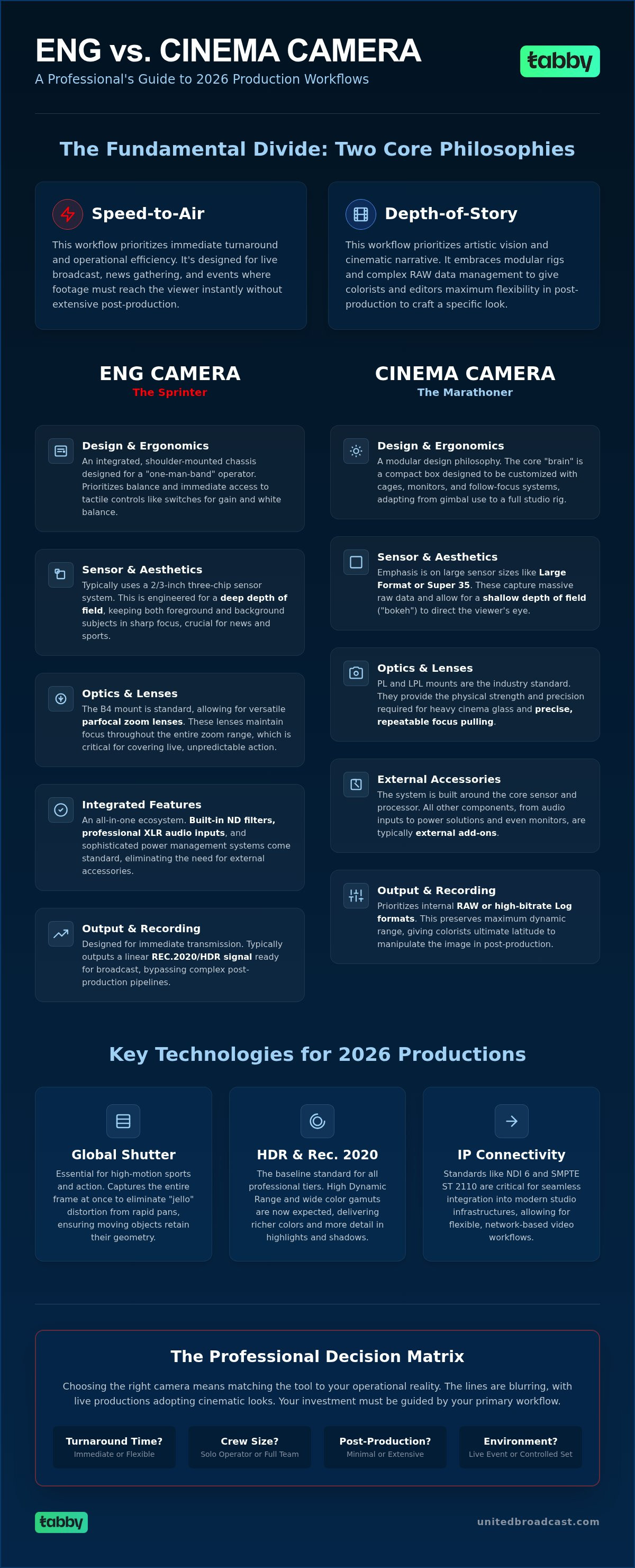
The distinction between an ENG camera vs cinema camera used to be defined simply by the resolution of the sensor and the physical size of the body. One was for the nightly news; the other was for the silver screen. By 2026, this boundary has largely dissolved. High-end broadcasters now demand the shallow depth of field and rich color science once reserved for cinema. High Dynamic Range (HDR) and wide color gamuts, such as Rec. 2020, have become the baseline standard across all professional tiers. As an authorized distributor for ARRI and Sony, we've observed that the choice today isn't about image quality alone. It's about the fundamental tension between "Speed-to-Air" and "Cinematic Narrative."
Speed-to-Air workflows require immediate turnaround. These productions don't have the luxury of a color grading suite or a large camera crew. Conversely, Cinematic Narrative workflows prioritize the visual story above all else. They accept the logistical weight of modular rigs and raw data management to achieve a specific artistic vision. When comparing an ENG camera vs cinema camera, your decision must hinge on how quickly you need your footage to reach the viewer and the level of post-production complexity your workflow can sustain.
What is an ENG Camera in the Modern Era?
Modern Electronic News Gathering (ENG) units are precision tools designed for the "one-man-band" operator. These cameras prioritize ergonomic balance and immediate access to tactile controls. In 2026, a professional ENG camera isn't just a recording device. It's an integrated ecosystem that houses everything needed for field production within a single, shoulder-mounted chassis.
- Integrated Toolsets: Built-in ND filters, professional XLR audio inputs, and sophisticated power management systems come standard, eliminating the need for external accessories.
- Optical Versatility: The use of B4 mounts remains the standard. These allow for parfocal zoom lenses that maintain focus throughout the entire focal range, which is critical for live events and fast-breaking news.
- Operational Efficiency: These cameras are designed for immediate use. They offer dedicated switches for gain, white balance, and shutter speed, allowing operators to react to changing environments in milliseconds.
The Anatomy of a Digital Cinema Camera
A digital cinema camera follows a modular design philosophy. The core "brain" of the system is often a compact box designed to be customized with cages, external monitors, and wireless follow-focus systems. This modularity allows the camera to shrink for gimbal use or grow for a full studio configuration depending on the scene's requirements.
- Sensor Excellence: The emphasis is on sensor size, typically Large Format or Super 35, and massive raw data throughput to capture every nuance of light and shadow.
- High-End Optics: PL and LPL mounts are the industry standard. They provide the physical strength and precision required for heavy glass and precise focus pulling.
- Post-Production Flexibility: These systems prioritize internal RAW recording or high-bitrate log formats. This gives colorists the maximum latitude to manipulate the image in post-production to match a specific creative look.
Sensor Physics and Image Processing Standards
The technical debate surrounding an ENG camera vs cinema camera often centers on the sensor's physical dimensions. Traditional broadcast cameras utilize a 2/3-inch three-chip system, which uses a prism to split light into red, green, and blue components. This design is engineered for deep depth of field, ensuring that both a reporter and a distant background remain in sharp focus. Digital cinema cameras, however, favor Large Format or Super 35 sensors. These larger surfaces allow for the shallow "bokeh" effect that directs the viewer's eye through selective focus. In 2026, we see these aesthetics crossing over; many live productions now utilize large-format sensors to achieve a premium, cinematic look for sports and high-profile events.
Choosing between an ENG camera vs cinema camera in 2026 requires an understanding of shutter technology. Global shutter sensors are essential for high-motion sports and fast-action sequences. Unlike rolling shutters, which can cause "jello" distortion during rapid panning, a global shutter captures the entire frame at once. This ensures that fast-moving objects, like a race car or a football, maintain their physical geometry. For immediate transmission, ENG systems typically output a linear REC.2020 signal. Cinema workflows instead rely on Log or RAW formats, which preserve maximum dynamic range for grading but require a more complex post-production pipeline.
Sensor Size and Visual Storytelling
The aesthetic impact of large format sensors has redefined visual storytelling in the UAE. While 2/3-inch sensors still dominate scenarios where deep focus is mandatory, such as news and studio panels, the industry is shifting. Sony and ARRI benchmarks show that large-format sensors provide superior signal-to-noise ratios and wider dynamic range. This allows for more detail in the highlights and shadows, which is critical when shooting in the high-contrast lighting environments of the region. Dual Native ISO allows a sensor to function at two separate base sensitivities; this ensures that high-end productions maintain pristine image quality during the low-light evening shoots common in the UAE.
Processing and Metadata: Beyond the Image
Modern processing standards go beyond the visible pixels. While broadcast standards often cap at 10-bit 4:2:2 for bandwidth efficiency, cinema cameras offer internal RAW recording for total control. Metadata has become equally important, especially for virtual studios and XR production.
- Data Management: High-bitrate recording requires robust storage solutions and high-speed interfaces.
- Virtual Integration: Precise lens metadata is necessary for real-time tracking in augmented reality environments.
- Post-Production: Accurate color metadata ensures that the "look" established on set is carried through to the final deliverable.
Ergonomics, Optics, and Real-World Connectivity
The physical design of an ENG camera vs cinema camera dictates its suitability for specific production environments. Traditional ENG units utilize a fixed, shoulder-mount chassis designed for immediate stability without external rigging. This contrasts sharply with the modular philosophy of cinema bodies, which require cages, rails, and external monitors to become fully functional. For operators in the UAE, these ergonomic choices are not just about comfort; they affect the ability to maintain steady shots during long outdoor events under intense sunlight where a "run-and-gun" approach is mandatory.
Optical requirements also diverge significantly between these two categories. ENG cameras favor servo-driven zoom lenses that allow for smooth, variable-speed focal changes during a live shot. These lenses are parfocal, meaning they maintain focus throughout the zoom range. Cinema workflows typically utilize manual prime lenses or heavy cine-zooms that require a dedicated focus puller. This distinction is vital for solo operators who must manage zoom, focus, and iris simultaneously without the support of a large crew.
Operational Ergonomics on Set
The control surface of an ENG camera features dedicated physical switches for gain, white balance, and shutter. This allows for blind operation while the operator's eye remains on the viewfinder. In contrast, cinema cameras often rely on menu-driven interfaces or touchscreens, which can be difficult to navigate in high-glare environments. You can explore our professional video cameras to see how modern designs bridge this gap with assignable user buttons. High-brightness viewfinders are essential for national outdoor shoots, ensuring focus accuracy when standard LCD screens wash out.
Broadcast Connectivity and Studio Integration
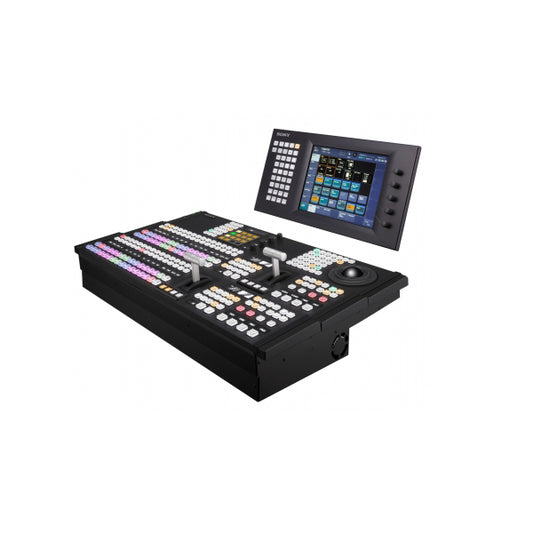
Connectivity is where the 2026 standards truly separate these systems. High-end ENG cameras now integrate NDI 6 and SMPTE ST 2110 directly into the body for seamless IP-based studio integration. 12G-SDI remains the physical standard for 4K 60p transmission over a single cable, providing the reliability that live broadcast demands. Multi-camera setups require robust Genlock and Timecode ports to ensure frame-accurate synchronization across the entire production chain. Fiber optic backbones are now standard for long-distance transmission in live studio environments, providing the massive bandwidth necessary for uncompressed signals.
Power management is a critical consideration for regional productions. Professional batteries must meet high-amperage standards to support both the camera and its attached accessories while maintaining thermal stability in high temperatures. Dedicated cooling systems in modern broadcast gear are specifically engineered to prevent sensor noise and hardware shutdown during extended national shoots, ensuring your equipment remains operational in the most demanding climates.
The Rise of Hybrid Workflows and AI-Driven Production
The industry is witnessing a significant shift as the technical barriers between an ENG camera vs cinema camera continue to erode. This "Cine-Live" revolution is driven by the desire for high-end cinematic aesthetics in live environments. Broadcasters are increasingly mounting cinema sensors into bodies that feature the connectivity and control protocols of traditional broadcast gear. While some skeptics argue that cinema cameras cannot handle the rigors of live sports, modern system integration proves otherwise. With proper tally, return video, and RCP (Remote Control Panel) integration, cinema sensors now provide the shallow depth-of-field looks that define premium sports coverage in 2026.
AI-assisted autofocus has emerged as a game-changer for solo operators who previously struggled with the narrow focus margins of large sensors. Modern tracking algorithms can identify and lock onto subjects with a level of precision that rivals manual focus pulling. This technology allows a single operator to capture cinematic visuals in unpredictable, fast-paced environments without the risk of soft footage. When comparing an ENG camera vs cinema camera, the inclusion of AI-driven tools is now a primary factor in maximizing ROI for national production houses.
The Hybrid Camera Category
The success of the Sony FX series in professional fleets illustrates how the market has embraced hybridity. These cameras offer the large-format look of cinema while incorporating the reliability required for multi-camera field work. AI tracking is now robust enough to reduce the constant burden on focus pullers, allowing crews to remain lean without sacrificing production value. You can explore Sony Alpha camera and lenses for hybrid professionals to see how these compact systems are being utilized in high-end news and documentary workflows.
Cloud Integration and Instant Delivery
Remote production (REMI) has evolved from a niche solution to a standard operational model. 2026 workflows rely heavily on 5G and emerging 6G networks to facilitate direct-to-cloud transmission. This allows a camera in the field to send high-quality proxies or full-resolution files directly to an editor in a central hub. Maintaining image integrity during compressed transmission is a key challenge, but sophisticated h.265 and AV1 encoding ensures the cinematic quality of the original capture is preserved. These cloud-based proxy workflows enable near-instant turnaround for news and social media content, bridging the gap between field acquisition and global delivery.
Strategic Equipment Selection and System Integration
Investing in a professional camera fleet requires a long-term perspective on Return on Investment (ROI). When evaluating an ENG camera vs cinema camera, you're weighing the stability of broadcast life cycles against the rapid innovation of cinema technology. ENG systems typically provide a longer operational lifespan, often serving a decade or more in active rotation due to their standardized connectivity. Cinema bodies tend to follow a faster refresh cycle, driven by incremental sensor improvements and data processing capabilities. Balancing these assets within a single organization requires expert planning to ensure that the visual "look" remains consistent across the entire production chain.
A mixed-camera fleet is the 2026 standard for national broadcasters. This approach combines the efficiency of ENG for news with the aesthetic power of cinema for specialized segments or high-profile interviews. However, this hybrid model presents technical challenges in sensor calibration and signal alignment. Ensuring that a cinema sensor matches a broadcast head requires precise technical intervention and a deep understanding of color science. Without expert oversight, the transition between different camera types can result in jarring visual shifts that undermine production quality.
Total Cost of Ownership and Maintenance
The purchase price of a camera is only the first component of the Total Cost of Ownership (TCO). Ongoing maintenance, sensor calibration, and mechanical repairs are critical for protecting your capital investment. High-end brands like ARRI and Sony maintain exceptional resale value, but only when supported by documented service histories from authorized centers. Our dedicated service center provides the technical infrastructure to keep your fleet operational, minimizing downtime during critical production windows. For those utilizing high-end glass, following a Professional Guide to Cinema Lens Repair ensures that optical performance remains within factory tolerances over years of heavy use.
The UBMS Advantage in System Integration
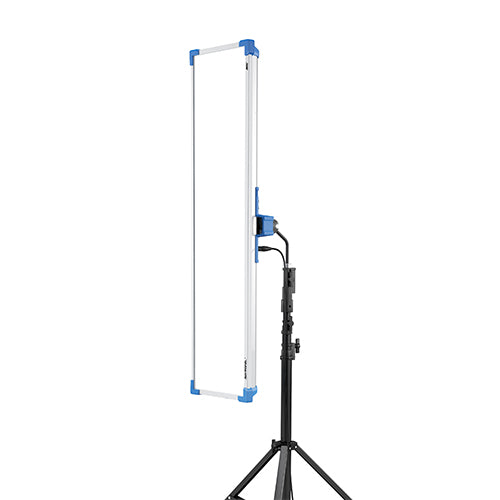
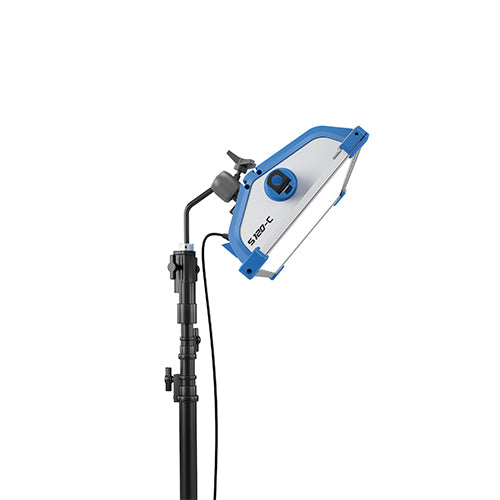
System integration is the process of building a cohesive ecosystem where every component communicates flawlessly. We specialize in designing custom studio setups tailored to UAE production standards, bridging the gap between legacy 12G-SDI hardware and modern IP-based infrastructure. Choosing between a traditional SDI backbone and a SMPTE ST 2110 IP network depends on your facility's scale and future expansion plans. Beyond the cameras, we integrate professional lighting solutions for studio and set to create a controlled environment where your sensors can perform at their peak. This holistic approach ensures that your choice between an ENG camera vs cinema camera delivers the maximum possible ROI through technical excellence and logistical stability.
Future-Proofing Your Production Fleet
The media landscape of 2026 demands a strategic approach to equipment acquisition. While the aesthetic gap has narrowed significantly, the operational divide between an ENG camera vs cinema camera remains a critical factor in your production's efficiency. Success now depends on matching your sensor choice with the correct connectivity standards, such as NDI 6 or SMPTE ST 2110, and the ergonomic requirements of your specific national workflow. You don't just need a camera; you need a tool that integrates seamlessly into your existing infrastructure.
As an authorized distributor for ARRI and Sony, we've provided expert system integration since 1997. We understand that your investment requires more than just a purchase; it needs the backing of a dedicated on-site service center to ensure long-term reliability and performance. Whether you're building a high-speed newsroom or a cinematic documentary unit, the right technical partner ensures your gear remains a competitive asset rather than a logistical burden. Our team is ready to help you navigate these technical standards to maximize your ROI and elevate your production quality.
Frequently Asked Questions
Can I use cinema lenses on an ENG camera?
Yes, you can use cinema lenses on an ENG camera by utilizing specialized optical adapters, such as a B4 to PL mount converter. While this allows for a cinematic aesthetic, it's important to recognize that most cinema lenses are fully manual. You'll lose the integrated servo zoom control typically found on broadcast lenses. These adapters often introduce a light loss of approximately one stop, which needs to be compensated for during your exposure.
What are the main advantages of a global shutter in 2026?
A global shutter captures the entire sensor area simultaneously, which is critical for high-motion sports and fast-action sequences. This technology eliminates the rolling shutter "jello" effect and flash banding caused by strobe lights or camera flashes. In 2026, global shutters are essential for maintaining the geometric integrity of fast-moving objects. This ensures that a football or a racing car doesn't appear distorted during rapid pans across the field.
Why is SMPTE ST 2110 important for professional camera systems?
SMPTE ST 2110 is the foundational standard for professional IP-based media transport. It allows for the separate routing of video, audio, and metadata streams over a network, providing much greater flexibility than traditional SDI. This standard is vital for large-scale national broadcast facilities that require scalable infrastructure. It supports uncompressed 4K and 8K signals, ensuring that your facility can grow without the physical limitations of dedicated point-to-point cable runs.
Is 8K resolution necessary for national broadcast standards?
While most national broadcast transmission remains at 1080p or 4K, 8K acquisition provides significant advantages in post-production. Capturing in 8K allows for high-quality reframing and digital zooming without losing detail in a 4K deliverable. It also serves as a future-proofing measure for high-value content libraries. However, the increased data throughput requires robust storage and processing infrastructure, making it a strategic choice rather than a mandatory requirement for daily operations.
How do I protect my camera sensor from high humidity and dust?
Protecting your sensor in the national climate requires a proactive maintenance routine. You should avoid changing lenses in open, dusty environments and always keep the sensor chamber sealed when a lens is not attached. Utilizing professional rain covers and silica gel packs in your equipment cases helps manage humidity levels. For long-term protection, we recommend regular sensor cleanings at an authorized service center to prevent debris from baking onto the sensor glass.
What is the difference between PL and B4 lens mounts?
The PL (Positive Lock) mount is the global standard for digital cinema cameras and large-format sensors, designed to support heavy cine-lenses with extreme precision. In contrast, the B4 mount is engineered for 2/3-inch three-chip broadcast systems. When comparing an ENG camera vs cinema camera, the lens mount dictates the optical physics of the system. B4 lenses are typically parfocal zooms with integrated electronics, while PL lenses prioritize image character and manual control.
Can cinema cameras be used for live television news?
Yes, cinema cameras are increasingly used in live television news to provide a more premium, artistic look. This requires specific system integration to ensure the camera can receive tally signals, return video, and remote control panel (RCP) commands. While they offer superior dynamic range, you must account for the lack of integrated ENG features. Proper rigging is essential to make these modular bodies functional within the high-speed environment of a live news broadcast.
How often should professional cameras undergo technical calibration?
Professional cameras should undergo technical calibration every six to twelve months to ensure color accuracy and sensor performance. High-stress environments or extreme temperature shifts can cause subtle drifts in sensor alignment and electronic levels. Regular check-ups at a dedicated service center help identify potential hardware issues before they lead to a failure on set. This maintenance is critical for maintaining the high-tier quality standards expected in the national media industry.


