

Choosing Broadcast Studio Equipment: The 2026 Professional Buyer’s Guide
What if the hardware you invest in today becomes a technical liability before your next major production cycle? In a landscape where IP-based workflows are hitting a critical tipping point and traditional signal standards are shifting, the process of choosing broadcast studio equipment has never been more complex. You likely feel the pressure to balance high-end performance with strict budget constraints while ensuring that every new piece of gear integrates seamlessly with your existing infrastructure.
We recognize that the fear of investing in soon-to-be-obsolete technology is a significant hurdle for studio managers. You need a setup that is reliable today and scalable for the next decade. This guide delivers a strategic framework to master these complexities, offering a clear breakdown of essential equipment categories and technical benchmarks. We will provide the specifications you need to evaluate hardware and the confidence to select a technical partner that prioritizes long-term serviceability and system integration over a simple transaction.
Key Takeaways
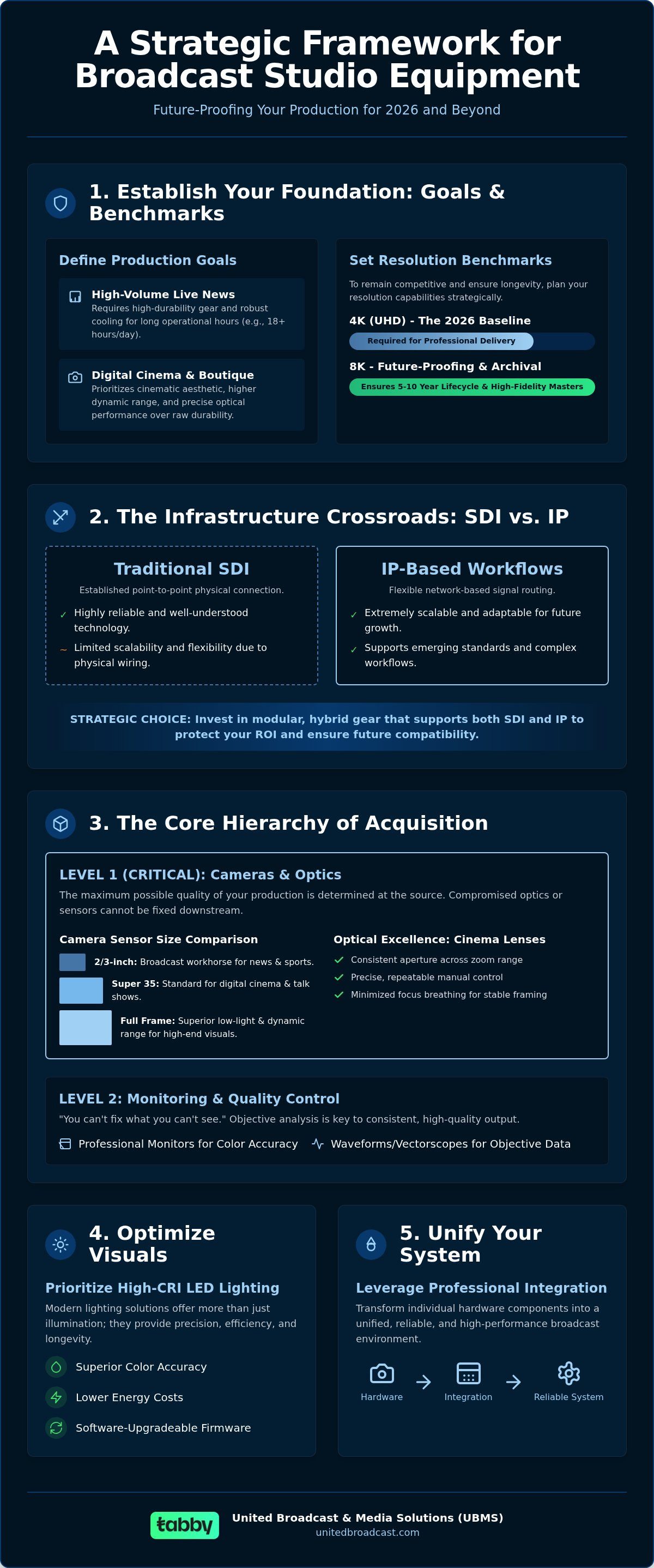
- Establish a clear production goal and resolution baseline to prevent technology obsolescence and ensure your studio remains competitive through 2030.
- Identify the essential acquisition tools, including the technical relationship between digital cinema cameras and high-performance lenses.
- Master the strategic framework for choosing broadcast studio equipment by navigating the critical shift from traditional SDI to flexible IP-based infrastructures.
- Optimize your visual output by prioritizing high-CRI LED lighting solutions that provide superior color accuracy and lower energy costs.
- Leverage professional system integration services to transform individual hardware components into a unified, reliable, and high-performance broadcast environment.
Strategic Considerations When Choosing Broadcast Studio Equipment
Strategic procurement begins with a clear understanding of your studio's operational mission. Choosing broadcast studio equipment isn't merely a shopping exercise; it's a long-term investment in your facility's reliability and output quality. Whether you're building a live newsroom or a digital cinema suite, the hardware must serve the specific demands of your production cycle. Output dictates hardware. A studio focused on high-volume daily news requires different durability standards than a boutique cinema house.
Resolution standards have shifted significantly. In 2026, 4K is the absolute baseline for professional delivery. Facilities aiming for a five-to-ten-year lifecycle should consider 8K acquisition to ensure future-proofing and high-fidelity archival. Beyond resolution, evaluate your production volume. A studio operating eighteen hours a day needs high-durability professional video cameras and robust cooling systems to prevent thermal failure. Physical footprint also plays a role; compact studios require integrated solutions that don't compromise on signal quality while maximizing available space.
Defining Your Production Workflow
Mapping the signal path from acquisition to transmission is the first step in avoiding technical bottlenecks. You must decide between multi-camera configurations for live switching or single-camera setups for high-end cinematic work. Integrating a comprehensive overview of television studio components into your initial design ensures that the production control room and the studio floor communicate without latency. Identifying these requirements early prevents costly mid-project hardware changes that can derail a budget.
Future-Proofing Your Technical Infrastructure
The industry is currently at a tipping point between traditional SDI and IP-based workflows. When choosing broadcast studio equipment, scalability is vital. Modular gear allows you to expand your facility without replacing the entire technical core. Focus on hardware that supports emerging standards to protect your return on investment. Balancing current needs with 2026 trends means selecting gear that can adapt as your production volume grows. High-quality professional lighting equipment, for instance, should offer software-upgradable firmware to maintain color accuracy and control compatibility over time.
The Core Hierarchy of Professional Video and Audio Gear
Successful procurement depends on a structured hierarchy that prioritizes mission-critical acquisition tools over secondary accessories. When you're choosing broadcast studio equipment, the focus must remain on the signal's origin: the camera and the lens. This acquisition layer determines the maximum possible quality of your production. If the source image is compromised by poor optics or a low-performing sensor, no amount of downstream processing can fully recover that lost detail.
Acquisition: Cameras and Optical Excellence
Modern studios are increasingly moving toward larger sensor sizes to achieve a more cinematic aesthetic. While 2/3-inch sensors remain the workhorse for sports and fast-paced news, Super 35 and Full Frame professional video cameras have become the standard for talk shows and digital cinema productions. These larger sensors offer superior dynamic range and better low-light performance, which are essential for high-end visual storytelling in 2026.
Optical excellence is equally vital. Cinema lenses are now a staple in broadcast environments because they offer consistent aperture across the zoom range and precise manual control. Unlike consumer-grade glass, these lenses are designed to minimize focus breathing, ensuring that the frame remains stable during focus pulls. This level of precision is non-negotiable for professional results and creates a polished look that viewers now expect.
Monitoring and Quality Control
You can't fix what you can't see. Professional broadcast monitors are engineered for color accuracy and long-term stability, unlike consumer displays that often apply artificial sharpening or color enhancement. Signal integrity is managed through waveform monitors and vectorscopes, which provide objective data on luminance and chrominance levels. This ensures that skin tones remain consistent across multi-camera setups, preventing jarring transitions for the viewer during live switching.
Audio monitoring is the final piece of the quality control puzzle. Broadcast-quality sound requires dedicated monitoring systems that reveal subtle imperfections in the signal path. For technical specifications on building a robust audio workflow, refer to this Authoritative guide to professional audio equipment. If you're unsure which acquisition or monitoring tools fit your specific workflow, speak with a technical consultant to refine your equipment list.
The support layer provides the physical foundation for your gear. High-end pedestals and camera accessories aren't just about ergonomics; they ensure the stability required for 4K and 8K production. Even the slightest vibration is magnified at higher resolutions, making professional-grade support systems a critical component of the core hierarchy. Stable movement and reliable mounting are the silent partners of high-performance acquisition gear.
The Studio Backbone: Switchers, Routers, and Signal Management
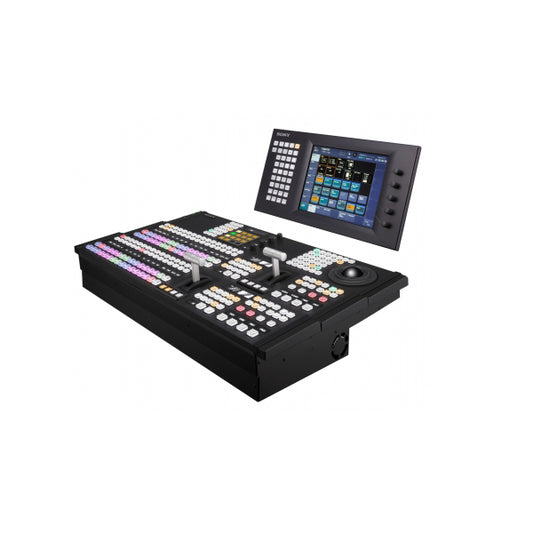
The technical backbone of any facility is its signal management layer. When choosing broadcast studio equipment for this core infrastructure, you must prioritize low latency and high-bandwidth capacity. The video switcher acts as the central nervous system, coordinating multiple inputs into a cohesive output. High-performance switchers now offer extensive internal processing, which reduces the need for outboard gear and simplifies the signal path for operators.
SDI vs. IP: Choosing the Right Protocol
Traditional SDI remains a reliable choice for local studio environments due to its plug-and-play simplicity and deterministic nature. It avoids the complexities of network configuration and offers a stable, dedicated signal path. However, the industry is accelerating toward IP-based infrastructure to meet the demands of remote production and massive scalability. IP workflows allow for software-defined networking, which is essential as broadcasters move away from fixed hardware limitations and aging infrastructure. In 2026, a hybrid approach combining SDI reliability with IP flexibility represents the optimal solution for most professional facilities.
Signal routing is equally critical for maintaining operational uptime. A robust broadcast router ensures that every source can reach any destination without signal degradation, providing the necessary redundancy for live environments. Additionally, seamless communication between talent and crew is facilitated by integrated intercom and paging systems. These tools are often overlooked during the procurement phase but are vital for maintaining a professional workflow during complex productions.
Master Control Room (MCR) Essentials
Designing the MCR requires a focus on operational efficiency and ergonomics. Operators need immediate access to signal processing and conversion hardware to handle varying frame rates, resolutions, and color spaces. This space is where final quality control occurs before transmission or recording. For a deeper look at specialized hardware and regional technical requirements, explore our guide on Advanced Broadcast Studio Gear. Efficient MCR design minimizes human error and ensures that the technical backbone remains resilient under the pressure of high-stakes broadcasting.
Reliable signal management also involves managing the transition from satellite delivery to IP distribution. As technical standards evolve, your routing and switching hardware must support diverse protocols to ensure compatibility with global delivery networks. Investing in high-tier signal management gear today prevents the need for expensive infrastructure overhauls when your production volume increases or delivery requirements change.
Professional Lighting and Grip: Setting the Scene
While cameras capture the image, lighting defines the substance. Choosing broadcast studio equipment must extend beyond the electronics to the environmental factors that dictate visual quality. High-CRI (Color Rendering Index) lighting is essential for accurate skin tone reproduction and color consistency. In 2026, a CRI below 95 is considered unacceptable for professional broadcast results. This level of precision ensures that your sensors receive the full light spectrum required for natural, lifelike output without the need for intensive post-production correction.
Selecting Professional Lighting Fixtures
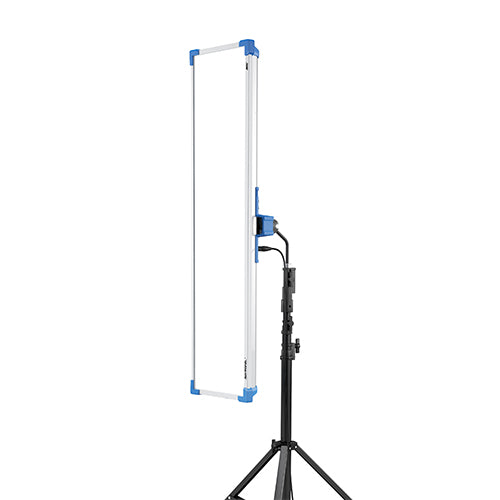
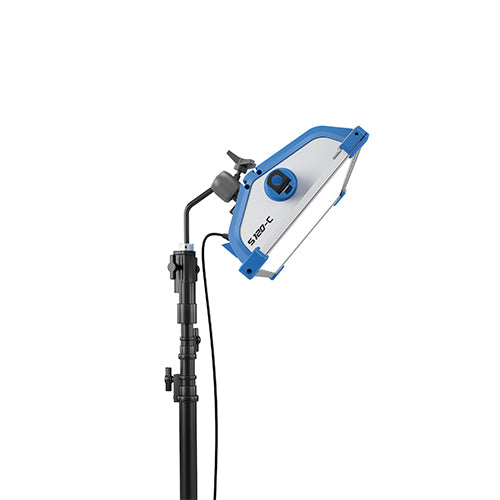
The choice between soft and hard light sources depends on your studio's creative mission. Soft lights, such as large LED panels, provide even illumination that minimizes harsh shadows, making them ideal for news and talk show environments. Conversely, hard lights like Fresnels allow for more dramatic shaping and depth. When browsing professional lighting equipment, look for fixtures that offer tunable color temperatures. ARRI lighting remains a global benchmark in this category, providing the thermal management and color stability required for eighteen-hour production days.
The transition from Tungsten to energy-efficient LED studio lighting is now complete. LEDs don't just lower your electricity bill; they significantly reduce the heat load within the studio. Lower temperatures mean your HVAC systems don't have to work as hard, which reduces ambient acoustic noise. This creates a quieter environment for your professional audio monitoring systems, proving that every hardware choice impacts the entire studio ecosystem.
Grip and Studio Infrastructure
Physical infrastructure is the silent partner of high-end electronics. Grip equipment like C-stands, truss systems, and safety-rated mounting solutions ensure that heavy fixtures remain secure above talent and crew. To optimize floor space, many modern facilities utilize ceiling-mounted rail systems. These systems allow for rapid repositioning of lights without the clutter of floor stands, which is vital for maintaining a safe and efficient workspace during high-intensity live broadcasts.
Modern lighting management relies on DMX and wireless control systems. These protocols allow operators to adjust intensity and color from a central console or tablet, enabling dynamic set changes in seconds. Reliable signal management for lighting is just as critical as it is for video, requiring robust cabling and stable wireless routers to prevent interference. Ensuring equipment stability through high-quality grip gear protects both your personnel and your technical investment.
System Integration and Technical Support Strategies
Choosing broadcast studio equipment is a significant capital investment, but the value of that hardware is only realized through professional integration. A collection of premium components does not automatically constitute a functional studio. Without a cohesive technical architecture, you risk signal latency, brand incompatibility, and excessive technical downtime. System integration is the strategic process that transforms standalone devices into a unified, high-performance ecosystem designed for reliability and ease of use.
Professional installation is the primary defense against operational failure. It ensures that every signal path is optimized and that hardware from multiple manufacturers communicates without protocol conflicts. This phase involves rigorous testing of the technical backbone, from the video switcher to the master control room, ensuring that the facility can handle the pressures of live production from day one. By investing in professional integration, you secure a workflow that is both stable and scalable.
The Role of the System Integrator
A professional integrator consolidates hardware from various global brands into a streamlined, high-efficiency workflow. This requires meticulous attention to custom cabling and signal path optimization to maintain low latency across the entire network. Whether you're building a static facility or a mobile production unit, specialized engineering is required to maintain signal integrity. The complexities of OB van system integration, for example, illustrate how critical professional design is when managing high-bandwidth signals in demanding environments. This level of expertise ensures that your technical infrastructure remains resilient under heavy usage.
Ensuring Long-Term Reliability
Reliability requires more than just high-quality initial procurement; it demands a dedicated service center for ongoing maintenance. High-end tools like professional video cameras and cinema lenses need regular sensor cleaning and precise calibration to perform at factory specifications. Establishing a maintenance schedule with a local service center is the most effective way to reduce the total cost of ownership. Proactive care prevents minor technical glitches from escalating into catastrophic failures during a broadcast.
Navigating technical repairs in the national market is significantly easier when you have a trusted technical partner. Local access to specialized repair services eliminates the logistical hurdles and high costs associated with international shipping. Regular calibration ensures that your acquisition gear remains color-accurate and that your signal management hardware stays updated with the latest firmware. This commitment to maintenance protects your investment and ensures that your studio continues to deliver professional results throughout its operational lifecycle.
Building a Resilient Studio for the Next Production Era
The process of choosing broadcast studio equipment is a balance between immediate technical needs and long-term operational scalability. As the industry accelerates toward IP-based workflows and higher resolution standards, your facility's success depends on more than just high-end hardware. You need a unified ecosystem where every signal path is optimized and every camera is calibrated for peak performance.
United Broadcast & Media Solutions (UBMS) serves as your dedicated technical partner, offering expert system integration services that bridge the gap between individual components and a functional studio. As an authorised distributor of top global brands, we provide access to the industry's most reliable acquisition and signal management tools. Our dedicated professional service centre ensures your gear remains operational, protecting your investment through proactive maintenance and expert repairs.
We are ready to help you navigate the complexities of modern studio design and ensure your production environment is built for the future.
Frequently Asked Questions
What is the most important piece of equipment in a broadcast studio?
While every component matters, the professional video camera is the primary tool because it defines the source quality. Choosing broadcast studio equipment starts with acquisition gear that offers the resolution and dynamic range necessary for your output. If the source image is low-quality, downstream switchers and routers cannot restore lost detail. High-performance lenses are equally critical to ensure the sensor receives a sharp, clear signal without optical aberrations.
Should I choose SDI or IP for my new studio setup in 2026?
A hybrid infrastructure is the optimal choice for most facilities in 2026. IP-based workflows offer the scalability and remote production capabilities needed for modern growth, while SDI remains the standard for low-latency local signal paths. Relying entirely on aging SDI can limit your future flexibility, but a complete IP transition requires significant IT networking expertise. A balanced approach protects your investment while allowing for a gradual shift as technology evolves.
How do I ensure compatibility between different broadcast equipment brands?
Compatibility is maintained by adhering to global industry standards like SMPTE and NDI. When you are choosing broadcast studio equipment from multiple brands, you must verify that each device supports the same protocols and signal formats. Professional system integration services are essential here, as they provide the technical engineering required to bridge different hardware ecosystems. This ensures that your cameras, switchers, and routers work as a unified, reliable production environment without signal conflicts.
What is the difference between a cinema camera and a broadcast camera for studio use?
Broadcast cameras are designed for high-volume live environments with integrated controls and signal outputs for real-time switching. Digital cinema cameras prioritize sensor size and dynamic range to achieve a specific aesthetic, often requiring more external accessories. Many modern studios now use cinema cameras in broadcast roles to gain a shallow depth of field, but this requires specialized integration to ensure they sync perfectly with the rest of the live production chain.
Why is professional lighting so important for 4K broadcast?
High-resolution 4K sensors are extremely sensitive to light quality and color accuracy. If your lighting has a Color Rendering Index (CRI) below 95, the sensor will struggle to reproduce natural skin tones, leading to inconsistent visual results. Professional LED lighting ensures that your 4K output remains vivid and lifelike without the heat issues associated with older Tungsten fixtures. This precision is non-negotiable for maintaining a high-tier production standard in a competitive market.
Can I build a professional studio without a dedicated system integrator?
It's technically possible but highly inadvisable for professional facilities. Building a studio involves complex signal paths and protocol management that go beyond simple cable connections. A dedicated system integrator ensures that your hardware is optimized for low latency and high reliability. Professional installation reduces technical downtime and prevents mismatched gear from creating intermittent failures. Our specialists transform a collection of hardware into a stable, high-performance production ecosystem.
How often should broadcast equipment be serviced and maintained?
Professional equipment should undergo a technical review at least every six months. High-end cameras and lenses require regular sensor cleaning and optical calibration to maintain factory specifications. A dedicated service center can perform firmware updates and hardware diagnostics that prevent catastrophic failures during a live broadcast. Proactive maintenance reduces the total cost of ownership by extending the operational lifespan of your gear and ensuring it remains reliable under heavy usage.
What are the essential audio components for a live TV studio?
A professional setup requires high-quality microphones, wireless transmission systems, a dedicated audio mixer, and broadcast-quality monitoring. Audio is just as critical as the visual signal for viewer retention. You need robust signal management to ensure that audio remains perfectly synced with the video. Integrating professional audio gear into your studio backbone prevents latency issues and ensures that your talent is heard with absolute clarity and zero interference.


