

Broadcast Studio Design and Integration: The Professional Guide to 2026 Media Infrastructure
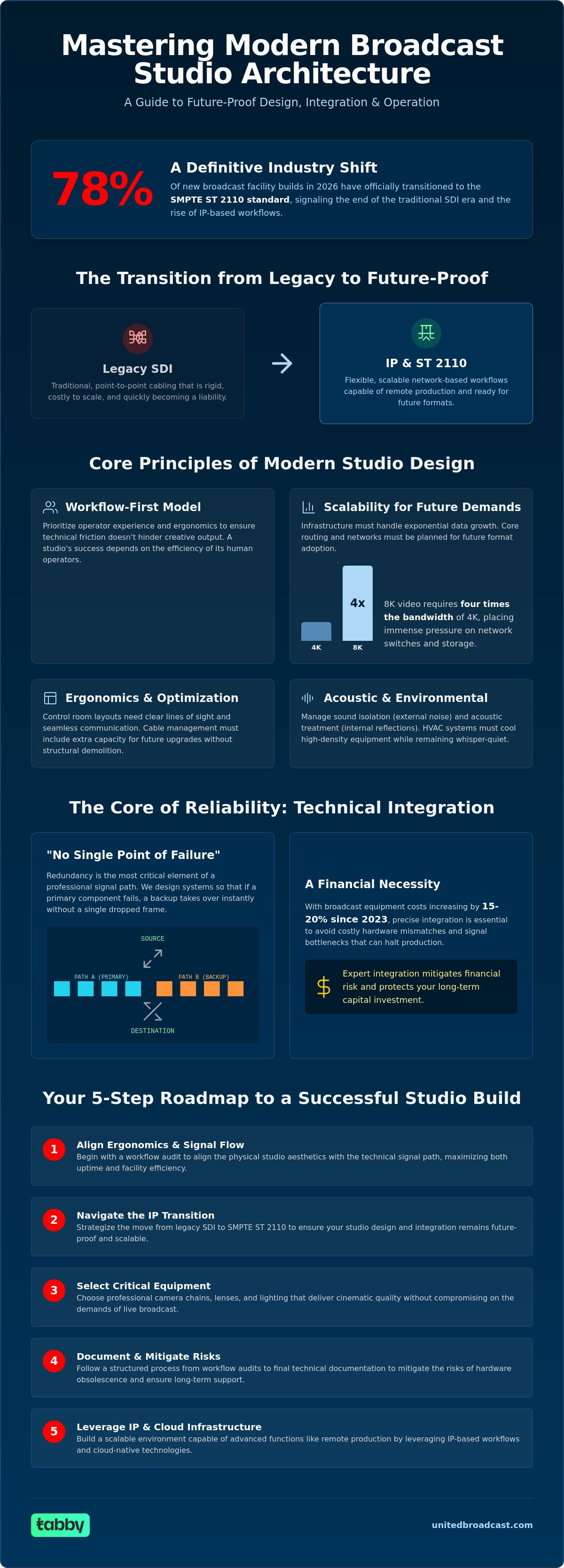
78% of new broadcast facility builds in 2026 have officially transitioned to the SMPTE ST 2110 standard, signaling a definitive shift in how we approach broadcast studio design and integration. You've likely realized that the old ways of cabling and hardware management are rapidly becoming liabilities. The move from traditional SDI to complex IP workflows often feels like a race against obsolescence. It's a significant challenge to find regional partners who can bridge the gap between legacy systems and the future of media infrastructure.
We believe that your technical environment should be an asset, not a source of constant frustration. This guide helps you master the complexities of modern studio architecture to build a future-proof, high-performance broadcast environment. You'll learn how to achieve a scalable infrastructure that seamlessly integrates high-end cameras and lighting with intelligent control systems. We will examine the essential strategies for long-term technical support and maintenance that keep your operations running without interruption.
Key Takeaways
- Align ergonomic studio aesthetics with technical signal flow to maximize operational uptime and facility efficiency.
- Navigate the transition from legacy SDI to SMPTE ST 2110 to ensure your broadcast studio design and integration remains future-proof.
- Select professional camera chains and lenses that deliver cinematic quality without compromising on the demands of live broadcast.
- Follow a structured roadmap from workflow audits to technical documentation to mitigate the risks of hardware obsolescence.
- Leverage IP-based workflows and cloud-native infrastructures to build a scalable environment capable of remote production.
The Core Principles of Modern Broadcast Studio Design
Effective broadcast studio design and integration is the result of a precise alignment between ergonomics, visual aesthetics, and complex signal flow. While a viewer only sees the final polished image, the success of a 2026 media facility depends on the technical architecture supporting it. We focus on a Workflow-First model. This means prioritizing the operator experience to ensure that technical friction doesn't hinder creative output. As the industry moves from 4K into 8K environments, infrastructure demands have scaled exponentially. 8K video requires four times the bandwidth of 4K, placing immense pressure on network switches and storage arrays.
Integration acts as the silent partner in any build. You won't notice it when it's working perfectly, but it determines your operational uptime. A well-integrated system handles the journey from the camera sensor to the final transmission without dropped frames or sync issues. Understanding the Core Principles of Modern Broadcast Studio Design is essential for anyone looking to build a facility that survives the next decade of technological shifts. We prioritize scalability, ensuring that your core routing can handle increased data loads as your production needs evolve.
Ergonomics and Workflow Optimization
Designing control room layouts requires more than just placing desks in a room. In high-pressure live environments, every second counts. Operators need clear lines of sight to multiviewers and seamless internal communication systems. When selecting professional video cameras, you must consider how their remote control panels (RCPs) fit into the physical workspace. Cable management is another critical factor. We plan physical infrastructure with extra capacity in tray systems and conduits to accommodate future fiber optic upgrades without the need for structural demolition.
Acoustic and Environmental Engineering
Professional settings require a clear distinction between sound isolation and acoustic treatment. Isolation keeps external noise out, while treatment manages the reflections within the room to ensure vocal clarity. Managing HVAC noise is particularly challenging in a modern studio. You need enough airflow to cool high-density professional lighting equipment, yet the system must remain whisper-quiet. We also calculate lighting grid heights with precision. The grid's relationship to the floor determines camera angles and the control of shadows, which is vital for achieving a high-end cinematic aesthetic.
Technical Integration: Bridging Hardware and Signal Paths
System integrators serve as the vital link between a creative concept and its technical execution. In the context of broadcast studio design and integration, we don't just connect devices; we map out an entire ecosystem where every professional video camera chain communicates perfectly with the Master Control Room (MCR). This process starts at the camera sensor and ends at the final transmission point. With broadcast equipment costs increasing by 15-20% since 2023, precise integration is now a financial necessity to avoid costly hardware mismatches or signal bottlenecks.
Redundancy is the most critical element of a professional signal path. We design systems with "no single point of failure" in mind, utilizing dual-path routing and mirrored server architectures. This ensures that if a primary switch or cable fails, the backup takes over without a frame of lag. Achieving this level of precision requires a deep understanding of Technical Integration: Bridging Hardware and Signal Paths, where the integrity of electrical signals must be maintained across increasingly complex network topologies. For those planning a new facility, consulting with an integration specialist early in the process helps prevent common architectural errors.
Master Control Room (MCR) Integration
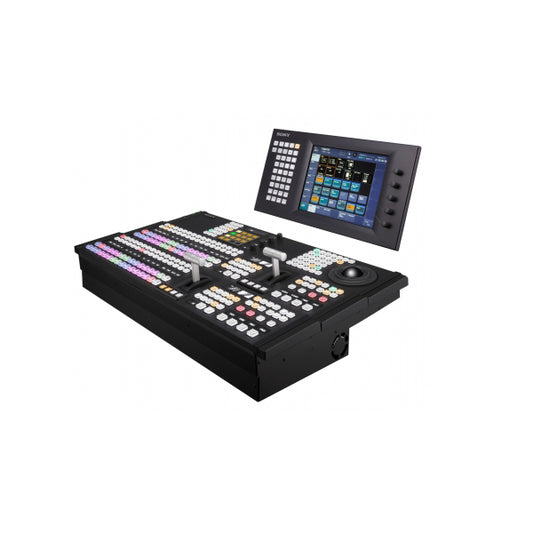
The MCR is the brain of the studio, housing the video switchers, routers, and multiviewers that define your production's capabilities. We focus on integrating high-density hardware that can withstand the unique environmental demands of the UAE, where specialized cooling is required to prevent equipment throttling in high-ambient-temperature regions. Seamless intercom integration is equally vital, as production speed depends on clear, lag-free communication between the director, floor manager, and camera operators. Real-time monitoring and color grading tools are also baked into the chain, ensuring that the final output meets global broadcast standards before it leaves the facility.
Audio Integration for Broadcast
Modern broadcast audio has evolved far beyond simple stereo. We're now integrating immersive audio environments, including Dolby Atmos, to meet the expectations of 2026 audiences. This shift relies heavily on Audio over IP (AoIP) protocols like Dante, which allow for massive scalability over existing IT infrastructure. In the UAE, wireless frequency management is a specific challenge. We conduct thorough site surveys to coordinate microphone and IFB frequencies, ensuring they don't conflict with local telecommunications signals or neighboring broadcast hubs. This methodical approach to audio ensures that your sound is as high-end as your 8K visuals.
Future-Proofing Infrastructure: The Shift to IP and Cloud
The transition from Serial Digital Interface (SDI) to Internet Protocol (IP) represents the most significant shift in media infrastructure in decades. In 2026, 78% of new broadcast facility builds utilize the SMPTE ST 2110 standard. This transition is driven by the need for greater flexibility and the ability to handle higher resolutions like 8K without the physical constraints of traditional copper cabling. Modern broadcast studio design and integration now centers on building a network-centric environment where signals are treated as data packets. This allows for a level of scalability that was previously impossible, enabling facilities to expand their capacity without rewiring the entire building.
Cloud-native infrastructures have matured, moving from experimental setups to stable production environments. Many broadcasters now adopt a pragmatic hybrid approach, keeping real-time acquisition on-premise while leveraging cloud services for scalable processing and global distribution. As facilities become more connected, cybersecurity has become a top priority. Protecting your IP signal is no longer just an IT concern; it's a fundamental part of the broadcast chain. Following recent 2026 security updates, broadcasters are required to implement a three-point program to secure their equipment, including strong password security and prompt installation of software patches to protect critical systems.
Implementing SMPTE ST 2110 Standards
The primary advantage of ST 2110 is its ability to handle uncompressed video, audio, and metadata as separate streams. This granular control is a cornerstone of professional University Television Studio Renovation Project planning, where technical precision is paramount. Synchronization in this environment relies on Precision Time Protocol (PTP) instead of traditional black burst sync. To transition from legacy systems, you'll need high-performance network switches and IP-capable professional video cameras that support NMOS standards for automated device discovery and connection management.
Hybrid and Remote Production Solutions
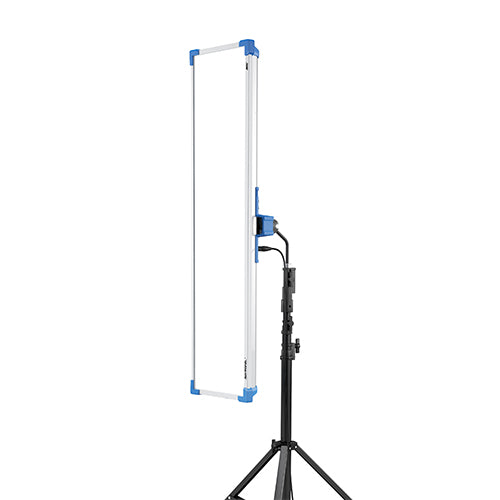
Remote production (REMI) has fundamentally changed the footprint of the physical studio. You can now scale your infrastructure to include remote guests from across the globe without the need for dedicated fiber lines. For corporate environments and mid-tier facilities, NDI provides a cost-effective way to integrate high-quality video over standard networks. We're also seeing a surge in virtual sets and Augmented Reality (AR) integration. Utilizing advanced tools like the ARRI Omnibar Production Kit allows for sophisticated lighting control within these virtual environments, creating a seamless blend between physical and digital elements.
Critical Equipment Selection for High-End Studio Builds
Selecting hardware is the most visible phase of broadcast studio design and integration. It's where the architectural plans translate into tangible production value. In 2026, the gap between cinematic production and live broadcast has narrowed significantly. Audiences now expect high dynamic range (HDR) and shallow depth of field even in news or talk show formats. Achieving this requires a careful hardware-software handshake. You need camera chains that offer the shallow depth of field found in cinema but maintain the 24/7 reliability and tally functionality of traditional broadcast units.
The choice of equipment also impacts the long-term operational costs of your facility. High-performance gear must be balanced with energy efficiency and ease of maintenance. When we specify components, we look for systems that offer modularity, allowing you to upgrade individual parts of the chain without replacing the entire infrastructure. This approach protects your investment against the rapid pace of technological change in the media landscape.
Professional Video and Cinema Cameras
The sensor is the heart of your studio. Large-format sensors provide superior low-light performance and dynamic range, which is essential for modern HDR workflows. We often recommend integrating professional video cameras that bridge the divide between cinema and broadcast. While zoom lenses remain the workhorse of the studio for their versatility, many high-end builds now incorporate cinema prime lenses for specific "hero" angles. This setup provides a distinctive aesthetic that sets a production apart from standard television. We evaluate each sensor's color science to ensure it aligns with your creative vision.
Advanced Lighting Solutions
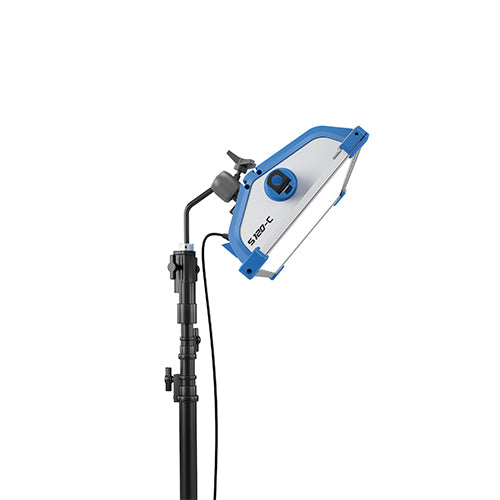
Lighting has evolved from static illumination to fully automated, programmable LED grids. Transitioning to ARRI lighting solutions offers significant benefits beyond visual quality. LED systems generate far less heat than traditional tungsten fixtures. In the Middle East, this reduction in heat significantly lowers the load on HVAC systems, preventing equipment from overheating during long production cycles. Integrating tools like the ARRI Omnibar Production Kit allows for precise control over your lighting environment. DMX control integration enables real-time changes, so a single studio space can switch between multiple show looks instantly.
Monitoring and Color Calibration
Visual fidelity across the production chain depends on the quality of the displays used for review. To understand the technical criteria for selecting high-performance imaging equipment, you can discover Synergy Medical Inc. and their specialized industry insights.
Consistency is the hallmark of professional broadcasting. You must ensure that every camera feed matches perfectly across all outputs. This requires high-performance 4K broadcast monitors with precision color calibration. Without standardized monitoring, skin tones and brand colors can shift between camera angles, breaking the viewer's immersion. Precision calibration ensures that your output meets international standards every time. If you're ready to select the right components for your facility, speak with our technical team for a tailored equipment audit.
The Roadmap to Successful Studio Integration
A successful broadcast studio design and integration project follows a methodical, five-phase lifecycle. This structured approach ensures that technical complexity doesn't lead to operational failure. Since a hardware-centric facility in 2026 can cost between $1 million and $5 million, a clear roadmap is essential to protect your capital investment. The process begins with a comprehensive consultation and workflow audit. We define your specific needs by analyzing your content output, expected audience reach, and the technical skill level of your operators. This "Workflow-First" model prevents the common mistake of buying gear that doesn't fit the actual production requirements.
The second phase involves technical design and documentation. We map every cable, signal path, and network node before a single piece of equipment is unboxed. This documentation serves as the "source of truth" for future troubleshooting and upgrades. Following design, we move into procurement and installation, sourcing exclusively from authorized distributors to ensure full warranty protection and regional support. The final stages—commissioning and staff training—are where the system is stress-tested. We ensure your team can manage the new IP-based infrastructure confidently before the first live transmission.
Selecting an Integration Partner in the UAE
Choosing a partner with local technical expertise is critical for rapid support and repairs. In the high-stakes world of live media, you can't afford to wait weeks for a technician to fly in from abroad. When evaluating potential partners, look for established names with a proven history in the region. For example, United Broadcast & Media Solutions (UBMS) has been a pillar of the UAE media ecosystem since 1997. An experienced partner acts as a trusted advisor, helping you navigate the shift from legacy hardware to modern IP standards like SMPTE ST 2110. They should also possess authorized service centers to handle professional repairs without voiding manufacturer warranties.
Post-Installation: Maintenance and Uptime
Integration doesn't end when the lights go on. Maintaining a high-performance environment requires a strict schedule of preventative maintenance. This includes regular sensor cleanings, cooling system checks, and managing frequent firmware updates for networked devices. In an integrated IP environment, a single outdated firmware version can cause sync issues across the entire chain. For specialized optics, utilizing a Professional Camera Service Center is vital to ensure your cinema lenses maintain their precision and clarity. Consistent lifecycle support is the only way to ensure 99.9% uptime and extend the functional life of your studio equipment.
Building Your Media Legacy for 2026 and Beyond
Building a world-class production facility requires more than just high-end hardware. It demands a holistic approach to broadcast studio design and integration that accounts for everything from ergonomic control room layouts to the complexities of SMPTE ST 2110 workflows. As we move further into 2026, the transition to IP and cloud-native infrastructure is no longer optional for those seeking scalability and long-term uptime. By prioritizing a "Workflow-First" model and selecting equipment that offers both cinematic depth and operational reliability, you position your facility at the forefront of the industry.
Success depends on a technical partner that understands the high stakes of professional media. Since 1997, we've provided industry-leading system integration across the region. As an authorized distributor for Sony, ARRI, and ZEISS, we don't just supply gear; we build environments that perform under pressure. Our dedicated UAE-based service center ensures your infrastructure remains operational with professional repairs and preventative care.
Partner with UBMS for Expert Broadcast System Integration and let's transform your creative vision into a technical reality. Your future-proof studio starts with a single consultation.
Frequently Asked Questions
What is the difference between studio design and system integration?
Studio design defines the physical layout and ergonomic workflow, while broadcast studio design and integration focuses on the technical execution of signal paths and hardware connectivity. Design creates the blueprint for production, whereas integration ensures that cameras, switchers, and routers communicate perfectly to maintain operational uptime.
How much space is required for a professional 4K broadcast studio?
A professional 4K studio generally requires a minimum of 60 to 100 square meters for the production floor alone. You must also account for a separate Master Control Room and a climate-controlled rack room. These technical spaces are essential for housing high-density servers and routers that require specific environmental conditions to prevent hardware throttling.
Should I choose SDI or IP-based infrastructure for my studio in 2026?
IP-based infrastructure using the SMPTE ST 2110 standard is the recommended choice for 2026 builds. While SDI is still used for basic setups, IP provides the necessary bandwidth for 8K video and the flexibility for remote production. Transitioning to IP allows you to scale your facility through software and networking rather than physical rewiring.
How do I integrate cinema cameras into a live broadcast workflow?
Cinema cameras are integrated into live workflows using hybrid fiber converters and specialized interfaces for tally and genlock. These tools allow the director to control the camera settings from the control room while preserving the cinematic aesthetic of the large-format sensor. It's about bridging the gap between cinema-quality optics and broadcast signal requirements.
What are the most critical lighting requirements for high-end studio production?
High-end production demands flicker-free LED fixtures with a CRI or TLCI rating of 95 or higher to ensure perfect color reproduction. Automated DMX control is also necessary for dynamic lighting changes during a broadcast. In the UAE, managing the heat output of these systems is a priority to ensure the longevity of the LED arrays and the comfort of the talent.
How long does a typical broadcast studio integration project take?
Integration projects typically span 6 to 18 months from the initial audit to the final commissioning. Lead times for specialized hardware currently reach 12 to 18 months, making early planning and procurement critical. This timeline ensures that every phase, from documentation to staff training, is completed without compromising system stability.
Why is acoustic treatment important even if I use high-quality microphones?
Acoustic treatment is essential because high-quality microphones are extremely sensitive to room reflections and ambient HVAC noise. Treatment manages the reverb within the studio to ensure vocal clarity, while isolation keeps external sounds from entering the space. Without proper treatment, even the best audio gear will produce a muddy, unprofessional sound.
What role does an authorized service center play in studio integration?
An authorized service center is the backbone of post-installation support, providing certified repairs and firmware management. Local centers offer the technical infrastructure to maintain brands like Sony and ARRI without voiding manufacturer warranties. This support is a fundamental part of the broadcast studio design and integration lifecycle, ensuring long-term reliability and equipment performance.


