

Gaffer Responsibilities, Lighting Team Leadership and Career Path
The person shaping a film’s lighting isn’t always the one placing flags or rigging stands. If you’re asking what a gaffer is and what they do, a gaffer leads the lighting department, translating the cinematographer’s visual plan into practical lighting and electrical work while managing the crew and promoting safe working practices.
It’s easy to confuse the gaffer and the grip because both work closely with lighting setups. Their responsibilities differ: the gaffer oversees lighting and power, while grips focus on mechanical work, including flags, frames and equipment support.
This guide explains the gaffer’s responsibilities from pre-production through filming, how they lead the lighting team and coordinate with the cinematographer, and where the grip’s role begins. It also covers practical ways to gain experience and progress towards gaffing, so you can understand both the work on set and the path into the role.
Key Takeaways
- Understand how a gaffer turns a cinematographer’s lighting vision into a workable plan for the crew and production.
- See how planning, power distribution, equipment management and safety shape the lighting department’s work.
- Recognize where grip responsibilities differ and how both departments coordinate around camera movement and set requirements.
- Identify practical ways to build relevant experience, from set electrical work to Grip/Electric crew roles.
- Learn how professional lighting equipment supports the technical demands of film and television production.
Gaffer definition and responsibilities
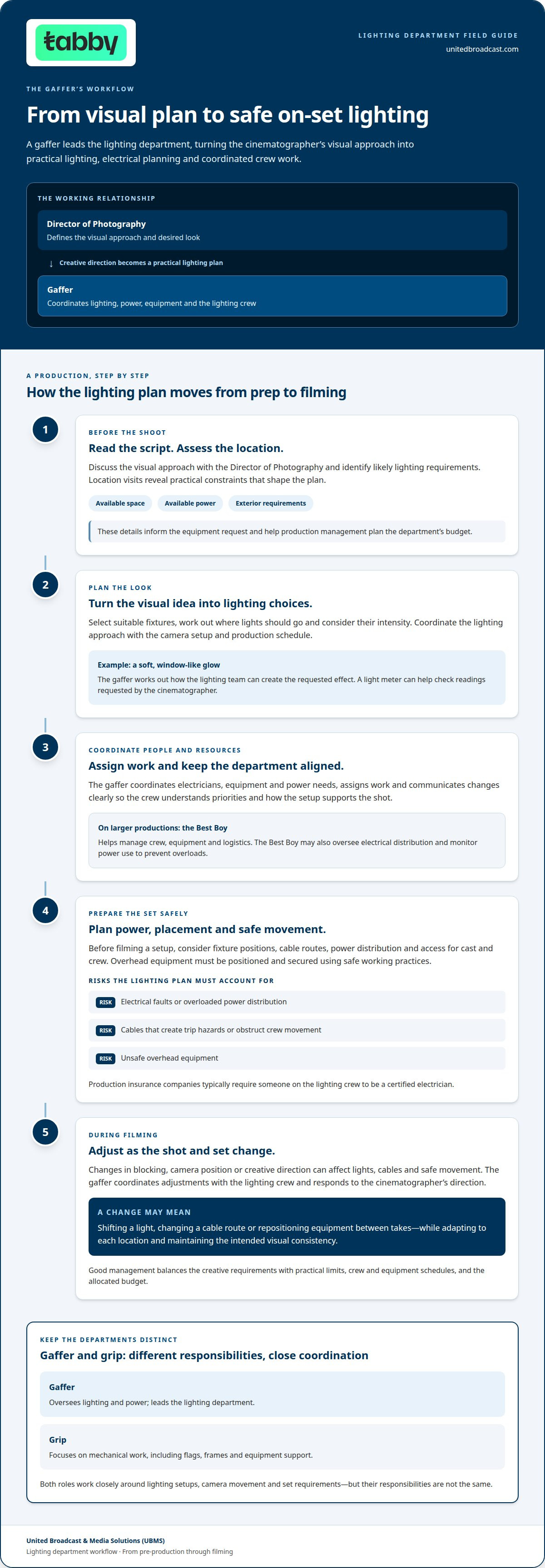
A gaffer is the head of a film or television production’s lighting department, also called the chief lighting technician. Working directly with the cinematographer, the gaffer translates the desired visual look into practical lighting decisions. That means coordinating people, equipment and electrical needs, not simply operating lights. On a scene set in a dim room, for example, the gaffer helps shape how the lighting equipment creates the intended atmosphere.
The role combines creative interpretation with technical planning. A cinematographer may ask for a soft, window-like glow; the gaffer determines how the lighting team can create it. The work can involve selecting suitable fixtures, positioning lights and adjusting their intensity. A light meter can help check readings requested by the cinematographer. The gaffer also considers how lighting changes fit the camera setup and production schedule.
For the U.S. earnings question, the average annual salary for a gaffer is approximately $54,700. Reported salaries range from $19,000 to $129,000. These figures describe the U.S. market, not expected pay in the United Arab Emirates.
Responsibilities can vary by production, but commonly include:
- Interpreting the cinematographer’s lighting design and planning how to achieve it.
- Coordinating lighting equipment, electricians and power needs for each setup.
- Adjusting lights between takes or camera setups to maintain the intended look.
- Overseeing the lighting department’s equipment care and safe working practices.
Safety is central to the job. The gaffer must account for electrical distribution, cable routes and equipment positions around the set. A poorly planned cable route, for example, can obstruct crew movement. Production insurance companies typically require someone on the lighting crew to be a certified electrician. The gaffer also leads a team working with powered equipment, often at height, so clear instructions and careful coordination are essential.
Planning begins before filming. The gaffer reads the script, considers the cinematographer’s visual approach and assesses the equipment needed. A location with limited space may call for a different lighting plan than a soundstage. During filming, the gaffer responds to changes in blocking, camera position or creative direction. The department’s work connects the original plan with the conditions on set.
The title is associated with the practical work of lighting street lamps. Today, the role encompasses department leadership, creative collaboration and electrical planning. On a smaller independent production, one gaffer may handle a broader range of tasks because the crew is limited. Larger productions can divide responsibilities among more lighting team members.
Lighting department management
Lighting management brings location planning, crew coordination, equipment and power together in a workable production plan. A gaffer manages risks such as electrical faults, overloaded power distribution, trip hazards from cables and unsafe overhead equipment.
Lighting equipment and tools
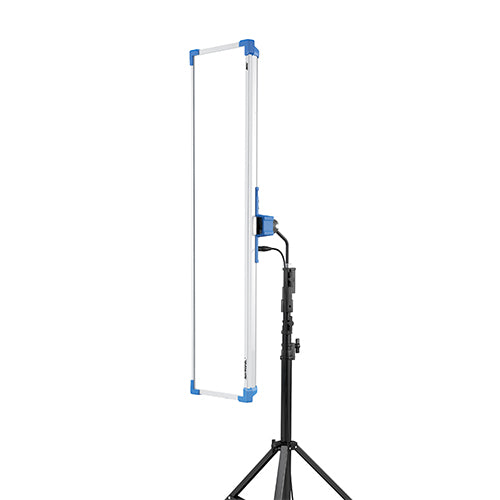
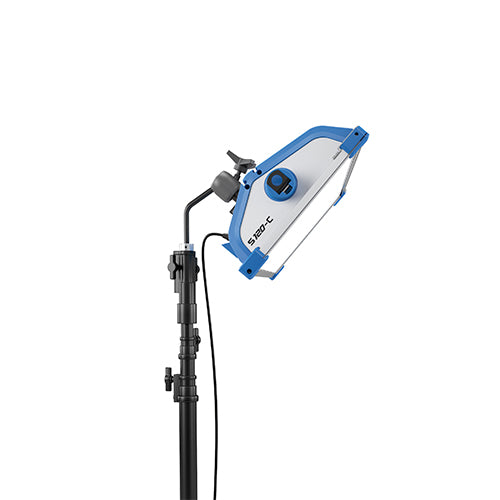
Lighting equipment and tools are the fixtures, controls, measuring devices, and electrical resources used to create and manage a scene’s illumination. The gaffer plans which equipment serves the cinematographer’s design, then coordinates its placement and power needs. A light meter helps check readings requested by the cinematographer. Choosing suitable professional lighting equipment supports the planned setup and the production’s visual requirements.
Planning starts before the crew reaches the set. The gaffer reads the script, discusses the visual approach with the director of photography and identifies likely lighting requirements. Location visits can reveal practical constraints, such as limited space, available power or the need to adapt equipment for an exterior setting. These details shape the equipment request and help production management plan the department’s budget.
On larger productions, the gaffer works with a Best Boy, who helps manage the crew, equipment and logistics. The Best Boy may also oversee electrical distribution and monitor power use to prevent overloads. The gaffer coordinates the lighting plan with the team, assigns work and communicates changes clearly. Crew members need to know where equipment goes, how the setup supports the shot and which tasks take priority.
On-set lighting management
On-set lighting management coordinates crew, fixtures, power and adjustments as filming progresses. A change in camera position or blocking can affect the light, cables and safe movement around the set. The gaffer plans equipment positions, coordinates lighting changes between shots and responds to the cinematographer’s direction while keeping the workflow efficient.
Before filming a setup, the gaffer considers fixture placement, cable routes, power distribution and access for cast and crew. For example, a light mounted above a set must be positioned and secured using safe working practices. Cables need careful routing so they don’t obstruct movement. The gaffer also coordinates power use and crew logistics with the Best Boy.
Changes continue throughout the shoot. A camera move may require a light to shift, a cable route to change or the crew to reposition equipment between takes. The gaffer communicates these adjustments to electricians and monitors the department’s work. On productions with multiple locations, lighting plans must adapt to each environment while preserving the intended visual consistency.
Good management balances creative requirements with practical limits. The gaffer schedules crew and equipment, prioritizes changes, and coordinates with production management to stay within the allocated budget. If a setup creates a power or access concern, the team can revise the equipment position or distribution plan before filming continues. For guidance on lighting equipment for production needs, contact United Broadcast & Media Solutions.
Career path into gaffing
Gaffers usually build their careers through practical work with lighting, electrical systems, and production crews. For someone starting in the United Arab Emirates, experience on film, television, theatre, or event setups can help develop skills that transfer to set work. The progression is typically gradual: learn equipment and safe working methods, contribute reliably on shoots, then take on greater responsibility.
Electrical experience provides a useful foundation. Aspiring gaffers can qualify and work as electricians before pursuing contacts and set experience in film and television drama. This background helps them understand circuits, power supplies, cables and distribution, all essential when lighting a production. Set work adds another layer: translating instructions into practical tasks, coordinating with a crew and responding to changes.
Grip/Electric crew work offers direct exposure to lighting departments. Crew members assist with equipment setup and cable runs, then learn how a gaffer’s plan is carried out during filming. A production assistant role can also build familiarity with set routines and department coordination, although it may offer less direct electrical practice. Prioritize assignments that develop both technical competence and an understanding of production workflows.
Work experience with kit rental companies supplying theatre, film, television and events can introduce aspiring crew members to lighting equipment and its handling. It can help them understand how gear is organized, prepared and maintained. Combined with shoot experience, this practical knowledge supports progression from assisting roles to more complex lighting responsibilities.
Gaffers are hired for individual productions according to the lighting department’s needs, the production’s scope and the person’s relevant experience. Compensation is agreed for the work, with factors such as schedule, responsibilities and production budget shaping the arrangement. No single rate applies across productions.
As responsibilities grow, an experienced crew member may progress to roles such as Best Boy, helping manage lighting crew, equipment and logistics. The position develops planning and leadership skills that apply directly to running a department. On larger productions, the Best Boy also coordinates electrical distribution and monitors power use, taking on substantial operational responsibility.
Career development depends on more than knowing fixtures. A prospective gaffer needs to communicate clearly, explain plans to crew members, prioritize tasks and make decisions under pressure. For example, a location change may require the team to revise its lighting approach while protecting the schedule. Budget awareness also matters, since equipment and crew plans must fit the production’s resources.
Build a record of dependable work across different setups. Each shoot can strengthen practical judgement, technical knowledge and working relationships with cinematographers and production teams. Those connections can lead to further set experience, while demonstrated electrical competence and crew leadership prepare an aspiring technician to take responsibility for a lighting department.
Gaffer and grip roles
The gaffer leads the lighting and electrical work; the grip department handles mechanical support and light control. Understanding the distinction clarifies who plans each part of a setup and how the teams coordinate on set.
Gaffer and grip responsibilities
The gaffer oversees lighting implementation and electrical distribution, while grips manage equipment that shapes, blocks or supports light. For example, electricians may position a fixture to create a motivated window glow, while grips place a flag to control spill. This division matters because achieving a shot’s look can require both controlled illumination and precise physical shaping.
Grips work with flags, frames, stands and other mechanical equipment. They also help set up heavy equipment safely and respond to instructions from the gaffer or Best Boy. The gaffer’s department handles lighting instruments and the power needed for a setup. Both departments may work with cables and equipment in the same area, so clear assignments reduce confusion during changes.
Working with the cinematographer and key grip
The gaffer works with the cinematographer, or director of photography, to translate the desired image into practical lighting choices. The key grip leads the grip department and coordinates mechanical support for the shot. Their collaboration matters when lighting must remain consistent as the camera moves or the composition changes.
Consider a tracking shot across a room. The cinematographer defines the intended look and camera movement; the gaffer plans how fixtures will light the action. The key grip coordinates flags, frames and support equipment to shape the image without obstructing the camera path. The teams then adjust positions together as blocking and framing take shape.
Communication also connects department plans with production logistics. The gaffer coordinates with the director of photography, key grip, Best Boys and producers on requirements, schedules and budget. The key grip contributes information about the mechanical setup, including the space and support needed for camera movement. If a planned light stand conflicts with a camera track, the departments can revise its placement before it disrupts filming.
On set, the gaffer communicates lighting instructions to the electrical crew, while the key grip directs grip work. Their teams coordinate changes between camera setups, such as shifting a fixture and repositioning a flag to preserve the same contrast. Each department has distinct responsibilities, but neither works in isolation when a shot depends on both light and movement.
The distinction is practical, not an absolute separation. A gaffer may oversee lighting instruments and power, while a grip adjusts the tools that shape or support them. For a scene requiring a soft source outside a window, the gaffer plans the light, and the grip team can position diffusion or control spill. Coordination helps both departments meet the cinematographer’s visual intent safely and efficiently.
How does a gaffer work with the cinematographer and key grip?
The cinematographer sets the visual direction, while the gaffer and key grip turn it into coordinated lighting and physical setups. Their collaboration connects image-making decisions with practical requirements, including camera movement, equipment placement, crew access and production resources.
During preparation, the gaffer discusses the intended look with the director of photography, or DP. They translate references and scene requirements into lighting choices, then consider how those choices will work at each location. The key grip contributes information about flags, frames, rigging and camera support. These early conversations help departments identify conflicts before equipment reaches the set.
For a moving shot through a doorway, the DP may describe how the image should change as the camera advances. The gaffer plans lighting positions to support the look along the camera path. The key grip coordinates mechanical support and light-shaping tools, such as frames or flags. The teams can then assess whether equipment obstructs the lens, movement or performers.
On set, the DP communicates adjustments to framing, exposure or the desired contrast. The gaffer relays relevant lighting changes to the electrical crew, while the key grip directs grip adjustments. If the camera moves closer to a window, for example, the teams may reposition a light and alter a flag to preserve the intended image without obstructing the new framing.
Coordination also involves logistics. The gaffer and key grip work with Best Boys and producers to discuss crew, equipment, schedule and budget needs. A location change can affect power access, equipment placement and the time needed for a setup. Sharing those constraints helps the DP choose a workable approach without losing sight of the scene’s visual priorities.
Clear communication prevents departments from solving the same problem separately. The gaffer can explain the lighting requirement, while the key grip identifies how a flag or support structure can achieve it safely. For a shot requiring controlled light through a window, both teams can agree on fixture placement, diffusion position and camera clearance before a take.
During repeated setups, the DP checks the image and requests refinements. The gaffer adjusts the lighting plan, and the key grip adapts physical shaping or support as needed. This exchange helps maintain continuity between angles, especially when a scene is filmed from different camera positions. Each department contributes distinct expertise, but the final setup must serve a shared frame.
United Broadcast & Media Solutions (UBMS)
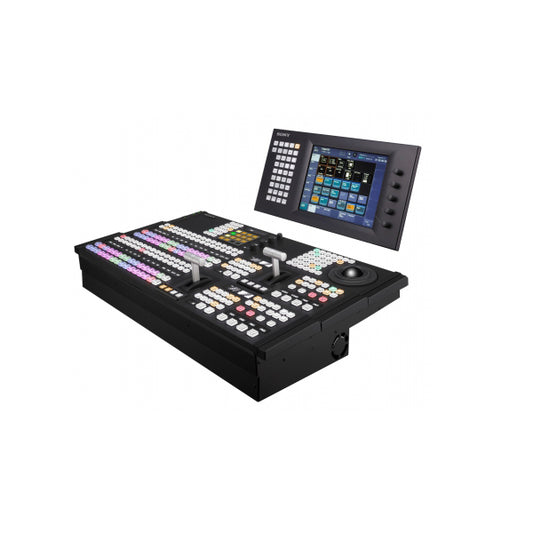
United Broadcast & Media Solutions (UBMS) supplies professional equipment for production teams working with the lighting and camera requirements described in this guide. If you’re planning a shoot or building a production setup, consider professional lighting equipment, digital cinema cameras, professional video cameras and cinema lenses together. The right combination depends on the production’s visual approach, camera workflow and lighting plan.
Understanding the gaffer’s role can help clarify how lighting equipment fits into a wider production setup. UBMS supports that equipment side, while the gaffer and crew handle on-set lighting design and implementation. For equipment requirements that connect lighting and image capture, contact United Broadcast & Media Solutions.
Build your next step in production
Knowing what a gaffer is and what they do can help you make informed choices on set, whether you’re developing a career or planning a production. Consider how the lighting plan, camera movement, crew responsibilities and equipment choices fit together. A clear understanding of those needs makes conversations across departments more focused.
For equipment planning, United Broadcast & Media Solutions (UBMS) offers professional video cameras, digital cinema cameras and cinema lenses. These tools support production workflows in which image capture and lighting decisions need to work together. Choose equipment according to your production’s requirements and how the team intends to work.
Use your next project to turn this knowledge into practical experience, one considered setup and crew collaboration at a time.
Keep building your technical understanding and take the next step with confidence.
Frequently Asked Questions
What is a Gaffer?
A gaffer is the chief lighting technician who leads a production’s lighting department. To understand what a gaffer is and what they do, think of the role as the link between the cinematographer’s visual intentions and the lighting team’s practical work. The title describes department leadership, not a single lighting task. On a smaller production, the gaffer may also take on duties handled by other crew members on larger sets.
What does a gaffer do on a film or TV production?
A gaffer develops and oversees the lighting approach during preparation and filming. In pre-production, they may read the script, attend planning meetings and visit locations to assess creative and practical requirements. During a shoot, they coordinate lighting changes as scenes and camera setups shift. Their collaboration may also continue into post-production, where they can work with the team on colour correction or lighting adjustments to support the finished image.
What are a gaffer's main responsibilities on set?
A gaffer’s on-set responsibilities include coordinating lighting crew and equipment, planning power distribution and responding to changes requested during filming. If a camera setup changes, for example, the gaffer may revise lighting positions and coordinate adjustments with electricians. They also help manage equipment care and safe working practices. Clear crew communication is essential: the team needs to understand task priorities and how a change affects the setup.
What lighting equipment does a gaffer use?
A gaffer may work with lighting instruments, a light meter, control consoles or dimmer boards, power supplies, cables and electrical distribution equipment. The exact tools depend on the cinematographer’s design and the location. A light meter can help assess readings requested by the director of photography, while a dimmer board can adjust light levels during filming. The gaffer also coordinates equipment selection and placement with the lighting crew.
What is the difference between a gaffer and a grip?
A gaffer leads lighting and electrical work, while grips focus on mechanical equipment that shapes or supports the image. For a scene lit through a window, for example, the gaffer coordinates the light source, and grips may position a flag or frame to control it. The departments coordinate closely, especially when a camera move affects equipment placement. The key grip leads the grip department; the gaffer leads the lighting department.
What skills and training do you need to become a gaffer?
Gaffers need practical knowledge of electrical systems, lighting equipment, crew coordination and production communication. Training as an electrician can build useful technical foundations, while set experience teaches how to apply those skills during filming. Grip/Electric crew work offers direct exposure to lighting setups; production assistant work can develop familiarity with set routines. Clear communication, budget awareness and the ability to make decisions under pressure also support progression into leadership.
How do you become a gaffer in the United States?
In the United States, a practical route is to gain electrical experience, then build film or television set experience through Grip/Electric crew work or production assistant roles. Work experience with kit rental companies serving film, television, theatre, or events can also develop familiarity with equipment. As responsibilities increase, crew members can demonstrate lighting knowledge and leadership on productions. Hiring depends on a production’s needs and the candidate’s relevant experience.


