

How to Protect Cinema Cameras from Humidity and Dust: A Professional Field Guide
You've just wrapped a high-stakes sunrise shoot in the Liwa Desert, only to realize that fine silica has bypassed your lens mount and humidity is beginning to cloud your internal filters. For cinematographers in the UAE, these environmental threats aren't just inconveniences; they're direct risks to your sensor's longevity. We understand the anxiety that comes with potential sensor fungus or the sudden equipment downtime that can derail an expensive production. While an IP53 rating is now a standard expectation for many run and gun systems as of 2026, relying solely on passive weather sealing is a gamble you can't afford to take.
This professional field guide outlines the technical protocols required to protect cinema camera humidity dust and safeguard your electronics from the region's extreme climate. You'll learn the precise steps for handling the transition from air-conditioned environments to high-humidity outdoor sets without risking internal condensation. We'll also provide a foolproof protocol for on-set protection and professional maintenance guidelines to keep your gear operating at peak performance. By mastering these active environmental management strategies, you can focus on the creative process while ensuring your investment remains secure against the elements.
Key Takeaways
- Understand the physics of condensation to prevent internal fogging when transitioning between air-conditioned interiors and high-heat outdoor environments.
- Learn how to establish a "Clean Zone" on set to prevent sand infiltration during critical lens changes and media offloading.
- Master the hierarchy of on-set safeguards, from rain covers to custom skins, to effectively protect cinema camera humidity dust during harsh desert shoots.
- Adopt the 24-hour cleaning rule and the correct technical tools, such as anti-static brushes and high-purity isopropyl alcohol, to mitigate long-term corrosion.
- Recognize the necessity of annual professional health checks and diagnostic testing to ensure fan health and internal sensor calibration.
The Impact of Humidity and Dust on Digital Cinema Systems
High-end digital cinema cameras are marvels of engineering, but their internal complexity creates unique vulnerabilities. While an IP53 rating is a standard expectation for many run and gun systems as of June 2026, professional cinema bodies often rely on active cooling to manage the intense heat generated by large-format sensors. These cooling systems pull ambient air directly into the chassis. This process can introduce microscopic sand and moisture into the heart of the machine. In the UAE's coastal regions, this air is often laden with salt, turning a cooling necessity into a delivery system for environmental damage. Referencing IP Code ratings helps clarify what these seals can and cannot handle in professional environments.
The combination of dust and moisture creates a "silent killer" effect. When fine dust settles on internal components, it acts as a desiccant, holding moisture against sensitive electronics. Hygroscopy is the physical property of a substance to attract and hold water molecules from the surrounding environment, which is particularly dangerous for internal optics and sensor glass. This trapped moisture creates an ideal breeding ground for fungus. To effectively protect cinema camera humidity dust, operators must understand that a camera's performance depends on maintaining its environmental integrity throughout the shoot.
Sensor Degradation and Fungus Growth
Moisture trapped behind the Optical Low Pass Filter (OLPF) is a catastrophic failure point. Once fungus begins to grow, it feeds on the lens and filter coatings, leading to "sensor rot" that manifests as soft spots or strange artifacts in your footage. These issues are often exacerbated by heat-humidity cycles. Moving gear from a chilled studio to a humid exterior causes rapid expansion and contraction of internal components. This cycle can shift sensor calibration and raise the noise floor, compromising the dynamic range you expect from professional systems. Identifying early signs, like a slight haze on the sensor glass, is vital before it ruins a production.
Electronic Short-Circuits and Port Integrity
Exposed SDI and power ports are highly susceptible to electrolytic corrosion. Even gold-plated pins aren't a 100% guarantee when salt-laden air bridges the gap between contacts, leading to intermittent signal loss or total port failure. Dust also plays a role by creating conductive paths on PCB boards. This can lead to short-circuits in high-voltage areas like the battery plate. The lens mount remains the most vulnerable entry point during a shoot. Every lens change in a dusty environment is an opportunity for contaminants to bypass the mount and settle directly on the sensor assembly. You should always treat the mount as a high-risk zone.
Practical Strategies for Dust and Sand Protection on Set
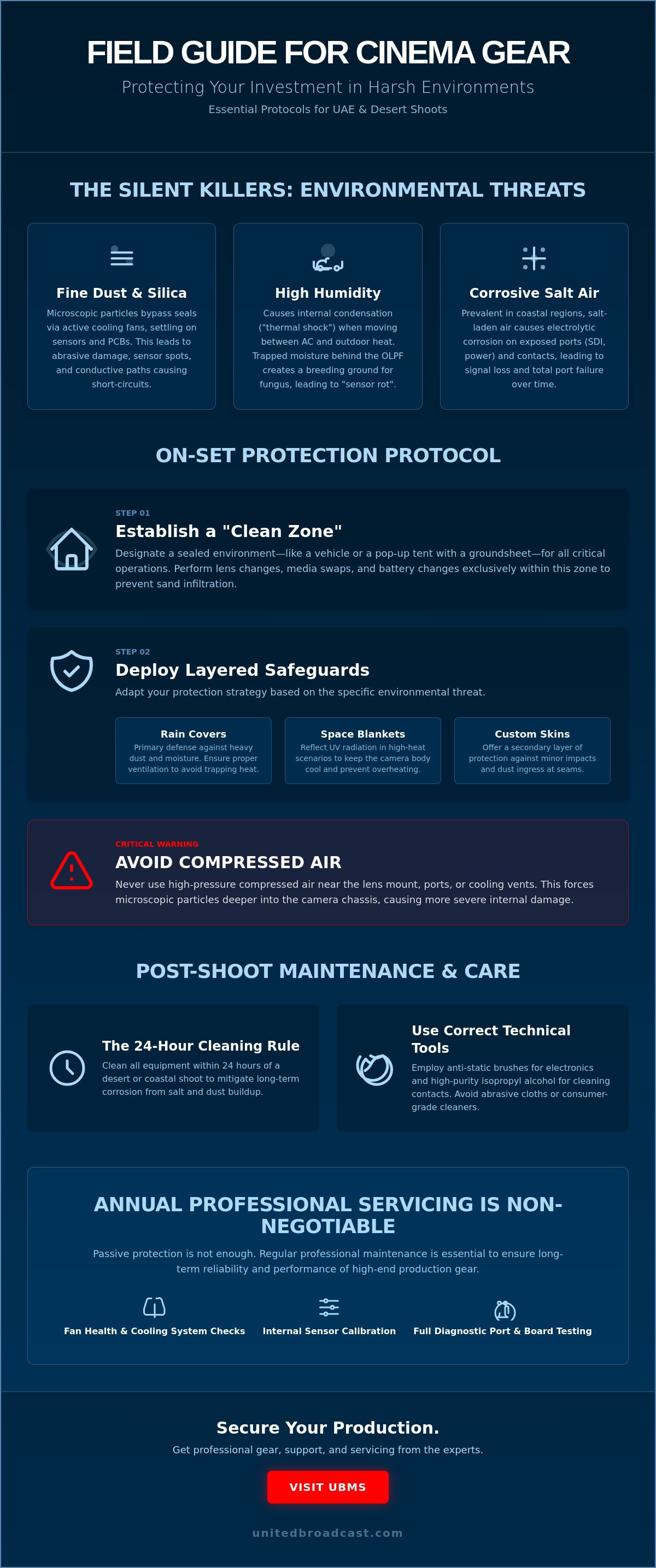
Adopting a proactive stance on environmental management is the only way to ensure your equipment survives a demanding shoot. The first step involves establishing a "Clean Zone" on every location. This isn't just a designated area; it's a strict protocol where lens changes and media offloading occur inside a controlled environment, such as a sealed vehicle or a pop-up tent with a groundsheet. By isolating these activities from the ambient desert air, you significantly reduce the risk of sand infiltration. Implementing these rigorous protocols is the most effective way to protect cinema camera humidity dust during active production days.
The hierarchy of protection dictates which tools you deploy based on the specific threat. Professional rain covers provide a primary defense against water and heavy dust, but they can trap heat if they lack proper ventilation. For high-heat scenarios, space blankets are often used to reflect UV radiation and keep the camera body cool, while custom silicone skins offer a secondary layer of impact and dust resistance. The use of ARRI Omnibar Production Kits ensures that your lighting and camera rigs have a stable, superior physical protection layer that withstands high-wind and high-dust scenarios by providing a robust framework for mounting protective covers.
Avoid using compressed air canisters near the camera mount or cooling vents. The high-pressure stream often forces microscopic silica past the sensor's IR cut filter, leading to permanent scratching that requires a factory overhaul. Instead, utilize manual rocket blowers or specialized vacuums designed for electronics. If you're unsure which protective gear fits your specific rig, our technical team can provide specialized advice on environmental hardening for your next project.
External Barriers and Environmental Covers
When selecting a rain cover, prioritize models that balance waterproof ratings with breathability to prevent internal condensation. For expensive cinema glass, always use "optical flats" or high-quality UV filters as sacrificial barriers. It's much more cost-effective to replace a damaged filter than to repair the front element of a prime lens. In high-heat environments, light-colored skins help reflect UV radiation, preventing the camera chassis from reaching temperatures that trigger thermal shutdown.
Lens Mount Integrity and Filter Protocols
The "Down-Wind" lens change is a mandatory protocol for every Assistant Camera (AC). By positioning your body as a windbreak and pointing the camera mount toward the ground, you create a physical barrier against airborne sand. Some cinematographers also utilize rear-mount filters. These create a secondary seal for the sensor, ensuring that even if dust enters the mount during a change, it doesn't reach the sensor glass. Regularly inspect and clean lens mount gaskets using a lint-free cloth, ensuring they remain supple and free of grit without applying excessive lubrication that might attract more contaminants.
Managing Thermal Shock and Condensation in High-Humidity Environments
Moving a camera body from a 20°C air-conditioned transport van directly into 40°C ambient humidity is a recipe for catastrophic failure. This rapid temperature shift causes moisture to condense instantly on any surface cooler than the dew point, including internal circuit boards and sensor assemblies. While external fogging on a lens is visible and frustrating, internal condensation is far more dangerous. It can lead to short circuits or leave permanent mineral deposits on the sensor glass once the water evaporates. To effectively protect cinema camera humidity dust, you must treat temperature transitions with the same rigor as your exposure settings.
Internal fogging often occurs in the air gap between lens elements or behind the sensor's IR cut filter. When this happens, the camera is effectively out of commission until the moisture is completely evacuated, which can take hours in high-humidity environments. The most effective way to prevent this is the 60-minute "Gradual Warm-up" protocol. Instead of exposing gear to the full force of the humidity at once, keep the camera inside its sealed flight case for at least an hour after arriving on location. This allows the internal components to reach ambient temperature slowly, preventing the air inside the chassis from reaching its saturation point. Digital hygrometers placed inside your flight cases provide real-time data, allowing you to monitor when it's safe to power on the system.
Acclimatising Gear for Morning Shoots
Morning shoots in the UAE present the highest risk due to the sharp rise in temperature and humidity at sunrise. You should never open a camera case immediately upon arrival on set. Instead, stage your gear in a non-AC environment, such as a shaded porch or a covered equipment truck, to equalize temperatures while the cases remain closed. Using battery-powered fans to circulate air around the cases can accelerate this process safely, ensuring the transition is uniform and controlled before the first shot.
Using Desiccants and Sealed Cases Effectively
Silica gel is the industry standard, but molecular sieves are often preferred for professional cinema gear because they have a higher adsorption capacity at lower humidity levels. You must monitor these desiccants and recharge them regularly; most indicator beads change from blue or orange to clear when they've reached saturation. However, there's a real danger in "over-drying" your equipment. Reducing the internal case humidity below 30% can cause rubber gaskets and lens seals to become brittle and crack. This eventually compromises the very seals meant to keep contaminants out, making the camera more vulnerable over time.
Post-Production Maintenance: Cleaning and Long-Term Storage
The work doesn't end when the director calls a wrap. For productions in desert or coastal environments, the "24-hour rule" is a non-negotiable protocol. Within this window, you must remove all traces of salt spray and fine silica before they have the chance to bond with the camera's exterior or penetrate its seals. Salt air is particularly corrosive to the magnesium alloys and aluminum used in high-end chassis. To effectively protect cinema camera humidity dust, you need a systematic approach to cleaning that prioritizes extraction over simple displacement. Discover the best professional video cameras designed for rugged environments to see how modern engineering simplifies this maintenance cycle.
Equip your maintenance kit with professional-grade tools. Use a manual rocket blower for initial loose particles and anti-static brushes to lift dust from crevices and port covers. For stubborn grime on the camera body, 99% Isopropyl alcohol is the standard, but it should never touch optical coatings. A critical distinction in professional maintenance is vacuuming versus blowing. Never use compressed air on cooling vents; this forces dust deeper into the internal heat sinks and onto the circuit boards. Instead, use a low-powered vacuum with a brush attachment to safely extract particles from the intake and exhaust ports. If you encounter deep-seated contamination, it's best to book a professional service rather than risking internal damage.
Safe Sensor Cleaning Protocols
Sensor cleaning is a high-stakes task that requires a tiered approach. Start with a dry clean using a rocket blower while the camera mount faces downward. If spots remain, you may need to progress to a wet clean using specialized sensor swabs and fluid. These swabs must be single-use only. Reusing a swab can trap a single grain of silica and drag it across the IR-cut filter, causing permanent etching. If the dust appears "welded" to the glass, which often happens in high-humidity conditions, stop immediately. This level of contamination requires professional intervention in a clean-room environment to avoid catastrophic sensor damage.
Climate-Controlled Storage Solutions
Electronic dry cabinets are the gold standard for long-term storage of cinema lenses and bodies. Unlike standard storage bins, these cabinets actively regulate the environment to maintain ideal parameters: 40-50% Relative Humidity (RH) and a stable 22°C. While Peli-cases are essential for transport, they're unsuitable for long-term storage in the UAE. These airtight cases can trap residual moisture from a shoot, creating a micro-climate that accelerates mold growth and electronic corrosion. Maintaining the 40-50% RH range ensures the environment is dry enough to prevent fungus but humid enough to prevent rubber seals from becoming brittle and cracking.
Professional Technical Support for High-End Production Gear
Rigorous on-set protocols and daily maintenance are your first line of defense, but they aren't a substitute for professional technical oversight. High-end cinema cameras are precision instruments with internal tolerances that can be compromised by the microscopic accumulation of salt and silica. To fully protect cinema camera humidity dust, you must integrate annual health checks into your equipment's lifecycle. These sessions go beyond surface cleaning; they involve deep-system diagnostics and sensor calibration that can't be performed in the field. Our UBMS Service Centre provides expert-led maintenance for ARRI, Sony, and RED systems, ensuring your gear meets factory specifications before your next major commission.
Diagnostic testing is a critical component of professional support. Technicians use specialized tools to check for early signs of internal corrosion on logic boards and evaluate the health of active cooling fans. In the UAE's climate, fans often become sluggish due to fine dust buildup, which can lead to silent overheating and eventual sensor damage. Catching these issues early prevents the kind of catastrophic failure that leads to expensive downtime. For a broader look at maintaining your kit's value and performance, refer to The Ultimate Guide to Professional Video Cameras in 2026 for more on gear longevity.
When to Seek Professional Repairs
You should be alert to the physical warning signs that contaminants have bypassed your external seals. "Sticky" buttons or dials that don't rotate smoothly are often the first indicators of internal sand or salt ingress. If left unaddressed, these particles act as abrasives that wear down mechanical components. Intermittent SDI signals are another red flag. While it's tempting to blame a cable, the issue is often a compromised port. Professional port replacement is a delicate procedure that saves the entire logic board from short-circuiting. We also provide expert sensor re-mapping and OLPF replacement services for when environmental etching becomes visible in your highlights.
System Integration and Protection Upgrades
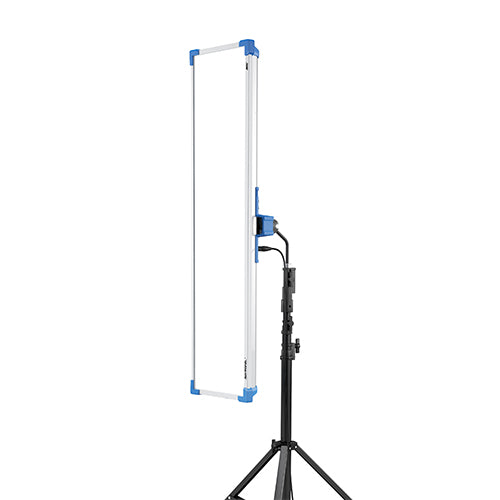
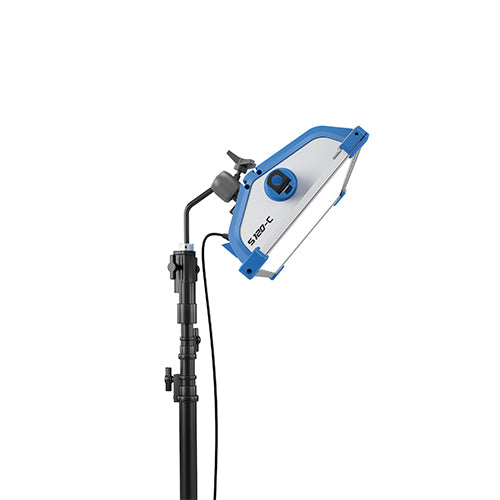
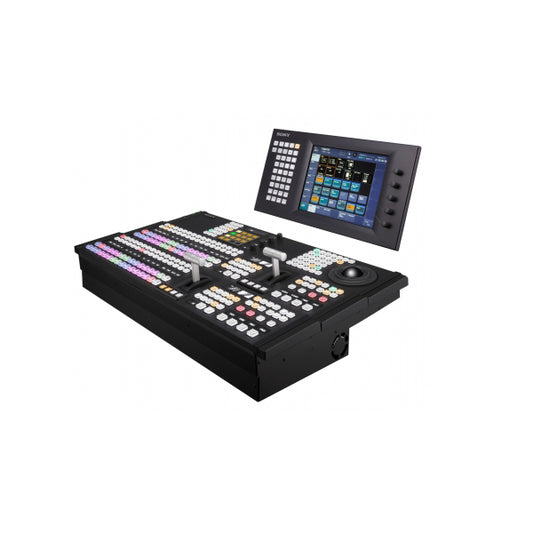
Hardening your production environment often requires more than just camera-side protection. For broadcast studios and long-term installations in challenging climates, professional system integration is vital. This involves designing airflow and filtration systems that mitigate the regional humidity before it ever reaches your gear. It's also vital to remember that your lighting equipment needs protection too. High-output LEDs and ballasts are just as susceptible to salt-air corrosion and dust-clogged fans as your camera bodies. Customizing your entire rig for environmental resilience ensures that every link in your production chain remains stable, regardless of the outdoor conditions.
Securing Your Production Assets for the Long Term
Preserving the integrity of high-end cinema sensors requires more than just reactive cleaning. It demands a disciplined approach to environmental management, from controlled thermal transitions to the immediate extraction of desert silica. By establishing a "Clean Zone" and utilizing climate-controlled storage, you mitigate the risks of sensor fungus and internal corrosion that often plague gear in the UAE. Implementing these technical protocols to protect cinema camera humidity dust is the most effective way to ensure your equipment delivers the professional performance you expect on every shoot.
While field maintenance is essential, periodic deep-cleaning by specialized technicians is necessary to address deep-seated contaminants. As an Authorized Service Centre for top global brands, we offer expert-led support backed by over 25 years of industry experience. Our team also provides comprehensive system integration for broadcast environments, hardening your entire infrastructure against regional climate challenges. To maintain your gear's precision and prevent unexpected downtime, Book a Professional Sensor Cleaning at the UBMS Service Centre today. Your equipment is a significant investment; we're here to help you safeguard its future.
Frequently Asked Questions
Is my cinema camera weather-sealed enough for a desert sandstorm?
No, standard weather sealing is intended for light rain and general dust, not the high-pressure environment of a sandstorm. Fine silica particles can easily bypass rubber gaskets and enter active cooling vents, potentially damaging the internal fans or the sensor itself. You should always use a dedicated rain cover or a sealed environmental housing when shooting in high-wind desert conditions to provide an extra layer of defense.
How do I remove condensation from inside my cinema lens?
You must stop using the lens immediately and place it in a sealed container with a high-capacity desiccant like silica gel. Allow the lens to reach room temperature slowly to prevent further moisture buildup. If the fogging doesn't clear within 24 hours, it indicates that moisture is trapped between the internal elements, which requires a professional technician to disassemble and clean the optics in a clean-room environment.
Can I use a hair dryer to dry out a damp camera?
No, you should never use a hair dryer to dry your equipment. The heat can melt internal adhesives and cause components to expand unevenly, while the forced air can drive moisture and dust deeper into the camera's electronics. It's much safer to use a battery-powered fan for gentle circulation or to place the gear in a controlled environment with desiccants to draw out the moisture naturally.
What is the best humidity level for storing cinema lenses?
The ideal humidity level for storing cinema lenses and camera bodies is between 40% and 50% Relative Humidity (RH). Maintaining this range is the best way to protect cinema camera humidity dust issues like fungus growth while ensuring that rubber seals don't become brittle. Storing gear in an electronic dry cabinet is the most reliable method to maintain these precise parameters in the UAE's fluctuating climate.
How often should I have my camera sensor professionally cleaned?
You should schedule a professional sensor cleaning at least once a year for general production work. However, if you've recently completed a shoot in extreme environments like the Liwa Desert or along the coast, you should book a service check immediately. Professional cleaning ensures that microscopic salt and dust are removed from the sensor's IR-cut filter before they can cause permanent etching or "sensor rot."
Are there specific cinema cameras that handle heat and dust better than others?
Cameras designed with isolated cooling paths, where the airflow is completely separated from the internal electronics, generally handle harsh environments better. High-end systems from ARRI and Sony often utilize this architecture to minimize the risk of internal contamination. Regardless of the camera's design, implementing active protection strategies is still the most effective way to protect cinema camera humidity dust and ensure long-term reliability on set.
What should I do if my camera is exposed to salt-water spray?
Wipe the exterior of the camera immediately with a lint-free cloth that has been lightly dampened with fresh water. It is vital to remove salt deposits before they dry and crystallize, as salt is highly corrosive to magnesium and aluminum chassis. After the initial wipe-down, you should have the camera inspected by a professional service center to ensure that no salt air has penetrated the SDI or power ports.
Does using a rain cover cause the camera to overheat?
Yes, rain covers can trap heat by restricting the airflow to the camera's intake and exhaust vents. When shooting in high-ambient temperatures, you must use covers made from breathable materials or those featuring dedicated mesh vents for the cooling system. Always monitor the camera's internal temperature display and consider using a space blanket or umbrella to provide shade, which helps reduce the thermal load on the cooling fans.


