

Best Lighting for Video Interviews: The 2026 Professional Guide
Why does a high-end cinema camera often produce lackluster results in a professional setting? The answer usually lies in the difference between simply illuminating a subject and crafting a scene. Finding the best lighting for video interviews requires moving beyond basic brightness to focus on color precision and modular control. You've likely dealt with the frustration of inconsistent skin tones or distracting flickering during high-frame-rate shoots. These technical failures can undermine the authority of even the most seasoned broadcast professional.
We understand that achieving a cinematic look reliably is a requirement, not a luxury. This guide will help you master the technical standards and creative setups needed for broadcast-quality results in any environment. You'll learn how to interpret advanced metrics like IES TM-30-20 and why modern COB LED technology has become the industry standard. From building a versatile kit that lasts to managing light in demanding climates, we'll provide the expertise you need to ensure your production standards remain uncompromising.
Key Takeaways
- Master the industry-standard three-point lighting system to create depth and professional separation in any interview environment.
- Learn why TLCI is the essential metric for modern broadcast sensors and how to select the best lighting for video interviews to ensure color consistency.
- Distinguish between corporate high-key and cinematic aesthetics to align your lighting strategy with the specific narrative requirements of your project.
- Evaluate the functional advantages of point-source COB LEDs versus panel fixtures to optimize the portability and versatility of your gear kit.
- Explore the benefits of DMX control and professional system integration for scaling production efficiency in permanent studio installations.
The Fundamentals of Professional Interview Lighting
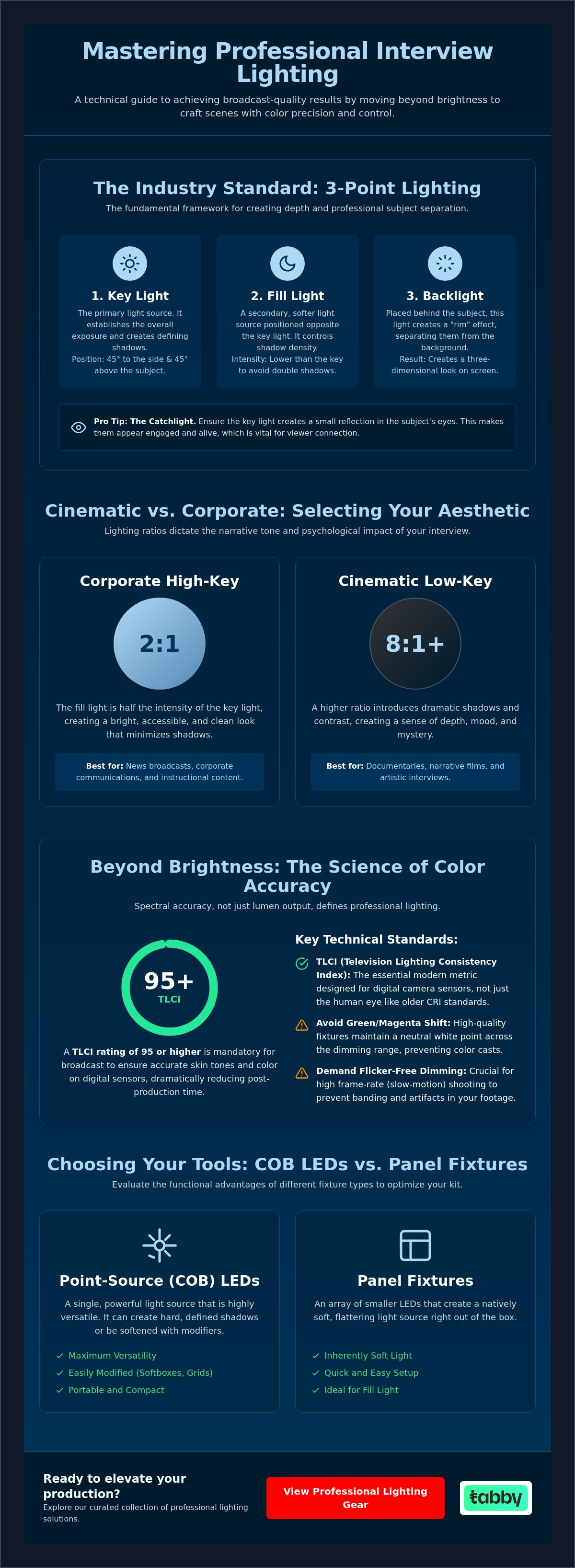
Professional lighting begins with a structural understanding of how light interacts with the human face. While high-end sensors capture detail, the way you shape shadows determines the viewer's perception of the subject. The industry standard for achieving the best lighting for video interviews remains The Fundamentals of Three-Point Lighting. This framework provides a reliable baseline for any professional environment, from corporate boardrooms to broadcast studios.
Lighting ratios have a profound psychological impact on your audience. A 2:1 ratio, where the fill light is half as bright as the key, creates a bright and accessible "High-Key" look typical of corporate news. Increasing this to a 4:1 or 8:1 ratio introduces drama and mystery, which is often preferred for cinematic documentaries. Choosing between soft and hard lighting also dictates the narrative tone. Soft lighting, achieved through large diffusion sources, is universally flattering because it wraps around features and minimizes skin imperfections. Hard lighting creates defined, sharp-edged shadows that highlight texture and can add an intense or authoritative quality to the subject.
One essential element for viewer connection is the catchlight. This small reflection of the light source in the interviewee's pupils is vital for creating a sense of life and engagement. Without it, the eyes appear flat or "dead," which can subconsciously alienate the audience. Ensuring your key light is positioned to catch the eye is a hallmark of professional work.
The Anatomy of the 3-Point Setup
The Key Light is your primary source and determines the overall exposure. Placing it 45 degrees to the side and 45 degrees above the subject creates the classic "Rembrandt" triangle on the cheek, adding depth. The Fill Light is positioned on the opposite side to control shadow density. It's crucial to keep the fill intensity lower than the key to avoid creating secondary shadows that look amateurish. Finally, the Backlight or Hair Light is placed behind the subject. It provides a rim of light that separates the interviewee from the background, which is vital for creating a three-dimensional feel on a two-dimensional screen.
Motivation and Background Lighting
Effective background lighting adds texture to the environment. Using practical lights, such as desk lamps or wall sconces, provides "motivated" light sources that feel natural to the scene. You should also consider color contrast to enhance the image. Using a cooler background light against a warmer key light helps the subject stand out. High-end productions often use "kickers" or side-backlights to define silhouettes, ensuring the subject doesn't blend into the shadows. For those building a professional kit, exploring a wide range of Professional Lighting Equipment is the first step toward achieving these broadcast standards.
Understanding Light Quality: CRI, TLCI, and Colour Consistency
While entry-level guides often prioritize lumen output, professional cinematographers know that the best lighting for video interviews is defined by spectral accuracy. For decades, the Color Rendering Index (CRI) served as the primary metric for light quality. However, CRI was designed for the human eye, not digital sensors. This discrepancy often results in disappointing skin tones that require extensive correction in post-production. Today, the Television Lighting Consistency Index (TLCI) has emerged as the essential benchmark for broadcast professionals. As we move through 2026, the industry is also adopting more comprehensive metrics like IES TM-30-20 to ensure total fidelity across the color spectrum.
Beyond basic accuracy, professionals must account for "green/magenta shift." Lower-quality LED fixtures often exhibit a slight tint that is difficult to neutralize, especially when mixing multiple light sources. High-tier solutions, such as those found in our ARRI lighting collection, maintain a neutral white point throughout their dimming range. This stability is critical when shooting in 4K or at high frame rates. Flicker-free dimming ensures that the light remains consistent without introducing distracting banding or artifacts into your footage, even when the fixture is dialed down to low intensity.
Why TLCI 95+ is Mandatory for Broadcast
A TLCI rating of 95 or higher isn't just a technical specification. It represents a significant reduction in your post-production workflow. When your lights accurately reproduce the full color spectrum, skin tones appear natural and vibrant right out of the camera. Investing in high-end fixtures pays for itself by minimizing the hours spent on secondary color grading. Matching your kit across different brands is also much simpler when you utilize fixtures that adhere to these strict global standards. For those looking to expand their creative range, exploring various professional lighting setups can help you see how these technical metrics translate into visual storytelling.
Managing Colour Temperature (Kelvin)
Versatility is the hallmark of a modern interview kit. While traditional setups relied on fixed Daylight (5600K) or Tungsten (3200K) sources, bi-colour and RGBWW technology have changed the landscape. RGBWW fixtures don't just offer millions of colors. They allow for precise matching of ambient office light or existing studio environments by adjusting the red, green, blue, and white chips independently. This eliminates the need for physical gels in most scenarios, providing digital control over the entire Kelvin range. If you aren't sure which technology fits your specific studio needs, you can consult with our technical specialists for tailored recommendations.
Cinematic vs. Corporate: Selecting the Right Aesthetic
Lighting is a fundamental tool for visual storytelling that reinforces the narrative of an interview. The best lighting for video interviews isn't a one-size-fits-all solution. Instead, it's a deliberate choice between different visual languages. A common objection among production teams is that sophisticated setups require too much time on a fast-paced set. However, professional results can be achieved quickly when utilizing high-quality grip equipment and rapid-deploy modifiers. Efficiency in the field is born from technical proficiency and the right tools, allowing you to pivot from a bright corporate look to a moody documentary aesthetic without delaying the production schedule.
The "Corporate High-Key" aesthetic is defined by a clean, bright, and open feel. This style minimizes deep shadows to project an image of transparency and professionalism. It's the standard for executive profiles and internal communications where building trust is the primary goal. Conversely, the "Cinematic Low-Key" look utilizes high contrast and intentional shadows to create a sense of intimacy or drama. This approach is often preferred for narrative documentaries or high-stakes testimonials where the emotional weight of the story is paramount. Even academic advice on interview lighting highlights how proper placement and shadow management are critical for maintaining a professional appearance, regardless of the chosen style.
Lighting for Executive and Corporate Profiles
When filming executives, your priority is a flattering, wrap-around light quality that inspires confidence. Large softboxes are essential here. They increase the surface area of the light source, which softens the transition between light and shadow on the subject's face. You must also proactively manage reflections. Polished office furniture and eyeglasses can create distracting glints. Positioning your key light slightly higher and using polarizers on your lenses can help mitigate these issues, ensuring the focus remains on the interviewee's message.
The Documentary and Narrative Interview Aesthetic
Creating a cinematic feel often requires subtracting light rather than adding it. Negative fill, achieved by placing black flags or "floppies" on the shadow side of the subject, adds shape and mystery to the face. This technique prevents ambient light from bouncing back into the shadows, maintaining a rich, high-contrast look. To add further depth, consider using haze or practical textures in the background. These elements create a sense of three-dimensional space that separates the subject from their surroundings. To fully realize this aesthetic, it is essential to use professional video cameras that offer the dynamic range necessary to capture detail in both deep shadows and bright highlights.
Essential LED Fixtures and Modifiers for Interview Kits
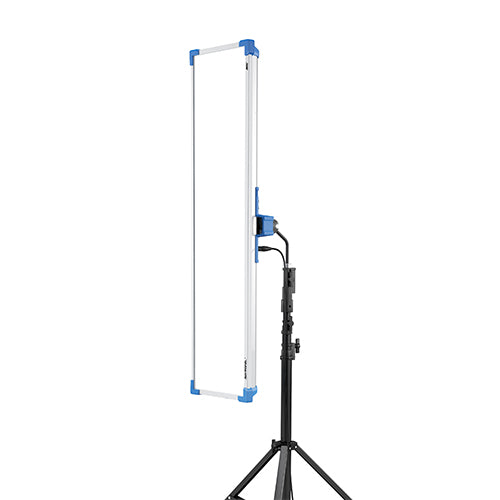
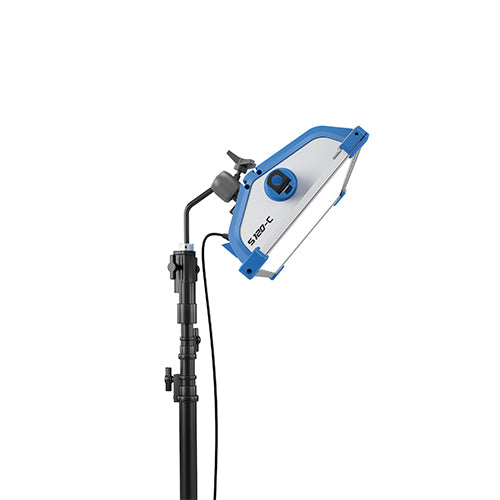
Achieving the best lighting for video interviews requires a strategic selection of fixtures that balance output with precise control. In professional production environments, the primary choice is between Chip-on-Board (COB) point-source LEDs and LED panels. While panels provide a convenient, low-profile source for quick fill, they lack the directional versatility of COB lights. COB fixtures allow for the attachment of a wide range of modifiers, such as Fresnel lenses, which are essential for focusing a beam or increasing intensity over long distances. This modularity is why seasoned professionals prioritize point-source technology when building a versatile kit. You can browse our full range of professional lighting equipment to see the latest in high-output LED technology.
Many entry-level guides suggest umbrellas as a cost-effective solution, but these sources suffer from excessive light spill. In a controlled studio or high-end corporate office, spill can wash out the background and reduce contrast. Softboxes equipped with grids, often called egg crates, are superior because they narrow the beam of soft light to hit only the subject. This level of precision is what separates a standard interview from a broadcast-quality production. It ensures that your key light remains on the interviewee without polluting the rest of the frame.
Must-Have Modifiers for Light Control
Softboxes and octaboxes are favored for their ability to create natural, circular catchlights in the subject's eyes. This mimics the appearance of the sun or a window, making the interview feel more organic. Barn doors and flags serve a more structural purpose. They shape the light to prevent it from hitting the camera lens or spilling onto background textures. For managing intensity without altering the Kelvin value, scrims and silks provide a physical layer of attenuation that maintains spectral integrity throughout the shoot.
Grip and Support Essentials
Stability is a non-negotiable safety requirement on any professional set. While lightweight stands are suitable for small travel kits, C-stands are the industry backbone for supporting heavy modifiers and overhead booms. Every stand requires a sandbag to prevent tipping, especially when using an ARRI Omnibar Production Kit for complex overhead mounting. Neglecting these safety protocols can lead to equipment failure or on-set accidents, particularly in fast-paced broadcast environments. To discuss the specific logistical requirements of your next project, speak with our system integration team for expert guidance.
Implementing High-End Lighting Solutions and Studio Integration
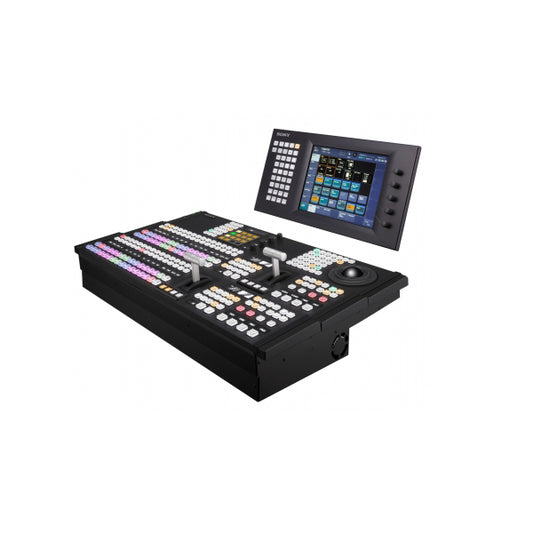
While portable kits provide essential flexibility for location work, a permanent broadcast environment demands a more robust approach to infrastructure. Transitioning to a fixed studio installation allows you to implement the best lighting for video interviews through integrated systems that prioritize repeatability and precision. A key component of this transition is the adoption of DMX control. This digital protocol enables your technical team to manage complex lighting arrays from a centralized console, allowing for instant adjustments to intensity and color temperature without manual intervention. This level of remote control is indispensable for multi-camera setups where consistency across every angle is required.
Tier-1 brands like ARRI have become the standard in high-usage media hubs because they're built to withstand the rigors of continuous operation. Unlike prosumer gear that may degrade under heavy thermal load, professional fixtures maintain spectral accuracy over thousands of hours. You can explore these industry-standard solutions in our specialized ARRI lighting collection. Investing in this tier of equipment ensures that your studio remains operational with minimal downtime, providing a stable foundation for high-stakes broadcast production. Infrastructure is the silent partner of visual quality.
The Value of System Integration
Professional system integration goes beyond simply hanging lights. It involves comprehensive heat management and power safety protocols that are vital for long-term facility health. Our integration services ensure that your lighting grids meet national broadcast standards while providing centralized control for complex interview scenarios. Proper cable management and dedicated power distribution prevent the electrical interference and safety hazards often found in makeshift setups. This structured approach allows your team to focus on the creative aspects of the interview rather than technical troubleshooting. Efficiency is the result of a well-planned environment.
Long-term Reliability and Service
The return on investment for professional-grade gear is found in its durability and the support network behind it. High-end fixtures are designed for repairability, supported by local technical support and dedicated service centers. This ensures that your investment remains a productive asset for years rather than a disposable expense. For a deeper look at regional standards, you can read our guide on professional lighting equipment in Dubai. Reliable after-sales support is the pillar of a successful broadcast operation, ensuring that your equipment continues to deliver the precision your audience expects. We prioritize long-term partnership over one-off transactions to support your production goals.
Elevating Your Interview Production Standards
Achieving broadcast-quality results requires a disciplined approach to both technical metrics and creative execution. You now understand that high TLCI ratings and precise color consistency are the foundations of a professional post-production workflow. By selecting modular COB LED fixtures and mastering the psychological impact of lighting ratios, you can reliably deliver images that resonate with your audience. The best lighting for video interviews isn't just about visibility; it's about using light to establish authority and build trust through visual clarity.
United Broadcast & Media Solutions is your partner in navigating these complex technical requirements. We serve as an authorized distributor for ARRI, Sony, and other leading global brands, ensuring you have access to the industry's most dependable tools. Our team provides expert system integration for national broadcast studios and maintains a dedicated service center for all technical support and repairs. Upgrade your production with professional lighting from UBMS today to ensure your gear meets the highest international standards. We're ready to help you build a lighting kit that lasts.
Frequently Asked Questions
What is the best lighting kit for a solo videographer doing interviews?
A versatile kit for a solo operator consists of three bi-color COB LED fixtures equipped with rapid-deploy softboxes. Point-source LEDs offer the best balance between high output and portability, allowing you to fit a complete broadcast-quality setup into a single rolling case. Prioritizing fixtures with integrated battery plates ensures you can remain mobile in environments where mains power is inaccessible or unreliable.
How do I avoid reflections in an interviewee's glasses?
The most effective way to eliminate glare is to raise your light fixtures higher and move them further to the side of the subject. This adjustment changes the angle of incidence so that the reflection of the light source bounces away from the camera lens rather than into it. If reflections persist, you can slightly tilt the temples of the glasses up to angle the lenses downward, which often solves the issue without distorting the subject's appearance.
What is the difference between CRI and TLCI, and why should I care?
CRI measures color accuracy for the human eye, but TLCI is specifically calibrated for how digital camera sensors interpret light. You should prioritize TLCI because it provides a more accurate prediction of how much color correction you'll need in post-production. For the best lighting for video interviews, always look for a TLCI rating of 95 or higher to ensure skin tones remain natural and vibrant across different camera brands.
Can I use natural window light for a professional interview?
Natural light can be used, but it lacks the consistency required for professional broadcast standards. Because sunlight changes in intensity and color temperature throughout the day, your footage will suffer from exposure shifts during long-form interviews. If you choose to use a window as your key source, it's essential to supplement it with a daylight-balanced LED to maintain a stable exposure on the subject's face.
How many lights do I actually need for a high-quality video interview?
Three lights are the industry standard for creating a professional, three-dimensional image. This setup includes a key light for exposure, a fill light to manage shadow density, and a backlight to separate the subject from the background. While a two-light setup can work in a pinch with a reflector, a dedicated three-point system provides the control necessary to achieve a truly cinematic aesthetic in any environment.
What is the best colour temperature for indoor interviews?
Daylight balance (5600K) is the most common choice for modern interviews, especially when working in offices with windows or cool overhead lighting. However, if the room is lit by traditional warm bulbs, 3200K (Tungsten) may be required to match the ambient environment. Using bi-color or RGBWW fixtures allows you to dial in the exact Kelvin value to ensure your subject matches the background perfectly without the need for physical gels.
How do I light an interview for a subject with dark skin tones?
Lighting dark skin tones requires large, soft light sources and a focus on spectral quality to prevent the skin from looking "ashy" or desaturated. Because darker skin has more reflective properties, you can use the key light to create intentional, soft highlights that define the facial structure. It's important to increase the intensity of your backlight or kicker to ensure proper separation from dark backgrounds, maintaining a clear silhouette.
Is LED lighting better than Tungsten for video production in 2026?
LED technology is superior to Tungsten in 2026 due to its extreme thermal efficiency and lower power requirements. New industry standards have increased LED efficacy by approximately 14 percent, allowing for high-output fixtures that don't generate the intense heat of traditional bulbs. LEDs also offer the advantage of adjustable color temperature and flicker-free dimming, making them the most reliable choice for high-speed or 4K captures in modern studios.


